Nighttime Light Heart Risks
New study links nighttime light exposure to structural changes in the human heart.
Anonymous
Key Points
1
The association appeared to follow a dose-response pattern: the brighter the nighttime environment, the greater the observed changes in heart structure and function. Examples of relevant exposure included light from a face-up smartphone, a digital alarm clock or outdoor light pollution.
2
The study population consisted of participants without cardiovascular disease at the outset, making the findings relevant to early, preclinical cardiac changes rather than people already diagnosed with heart disease.
3
Three lux is roughly equivalent to moonlight or light leaking under a closed bedroom door, while experts cited in the coverage said a bedroom should ideally be no brighter than about one lux for high-quality sleep.
4
Study leader Lu Qi said the findings, together with previous evidence, suggest that reducing nighttime light exposure could be considered as a potential heart-disease prevention strategy by clinicians and policymakers; this was presented as a possible strategy rather than an established treatment.
5
Experts emphasized that the study’s objective wearable measurements and detailed cardiac MRI, along with statistical adjustment and sensitivity analyses, make the association credible even though the design cannot establish causation.
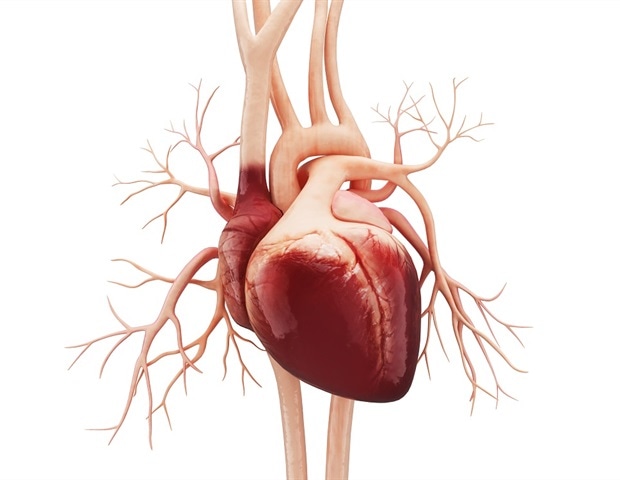
Exposure to more than three lux of light at night — roughly the brightness of moonlight or light sneaking under a bedroom door — was linked to changes in heart structure and function, according to a new study of over 11,000 UK adults US News. Researchers found that brighter nighttime environments were associated with thickening of the left-ventricle wall and reduced heart flexibility, with the effect following a dose-response pattern: the brighter the light, the greater the cardiac changes SANA. The study did not prove that light caused these changes, but experts said the findings suggest nighttime light exposure warrants consideration as a potential heart-disease prevention target.
How the Study Measured Heart Changes
Researchers led by Professor Lu Qi of Tulane University collected data from 11,071 UK Biobank participants without existing cardiovascular disease. Participants wore wrist light sensors for seven days to measure nighttime light exposure. About three years later, they underwent cardiac MRI scans that revealed changes in multiple heart chambers Geo. The objective wearable measurements and detailed imaging, combined with statistical adjustments, made the association credible even though the study design cannot prove causation UK Head Topics.
Nighttime Light Examples and Thresholds
Three lux — the light threshold linked to cardiac changes — is roughly equivalent to moonlight or light leaking under a closed bedroom door. Common sources of nighttime light exposure include a face-up smartphone, a digital alarm clock, and outdoor light pollution SANA. Experts noted that a bedroom should ideally be no brighter than about one lux for high-quality sleep, meaning many people may already exceed the three-lux threshold regularly.
What Experts Say About Causation and Next Steps
The observed cardiac changes were small, and experts emphasized important limitations: sensors measured light for only seven days and only at the wrist, which may not capture a person's true long-term exposure News Medical. Study leader Lu Qi suggested the findings could support reducing nighttime light as a potential prevention strategy, but researchers stressed that intervention studies are needed before recommending it as a proven heart-disease preventive US News. The findings apply only to people without existing heart disease, representing early, preclinical changes rather than effects in diagnosed patients.
Sentiment
Mostly NegativeNEGATIVENEUTRALPOSITIVE
Publishers
13
Articles
5
Reach
18
Topics
A
AnonymousAuthor


