Cambodia, Thailand Begin Maritime Conciliation
Cambodia, Thailand Begin Maritime Conciliation
Anonymous
Key Points
1
The Singapore session is only the second time the UNCLOS conciliation mechanism has been used. The first case, initiated by Timor-Leste against Australia in 2016, took nearly two years to resolve.
2
The five-member commission is chaired by Katrina Cooper, president of the UNCLOS Conciliation Commission, and the opening statements are being delivered at the Permanent Court of Arbitration’s Singapore office.
3
Thailand’s foreign minister tied Bangkok’s accusations to the broader security dispute, alleging that Cambodia had led a private conversation between the two countries’ leaders, that a Cambodian rocket killed Thai civilians and that Cambodian-planted landmines maimed Thai soldiers.
4
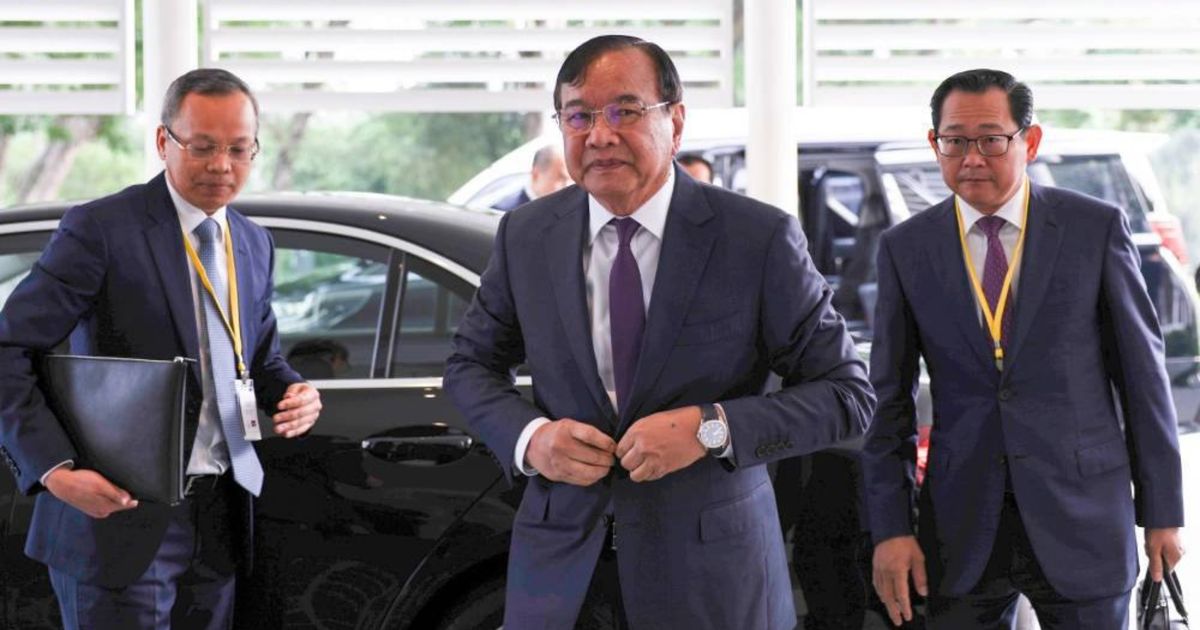
Cambodian Foreign Minister Prak Sokhonn described the proceedings as a “peaceful pathway” and said Phnom Penh was seeking a negotiated demarcation of the maritime boundary while remaining open to joint development and equitable sharing of common resources.
Cambodia and Thailand have opened a three-day UN-backed conciliation process in Singapore over overlapping maritime claims covering roughly 26,000–27,000 square kilometers in the Gulf of Thailand. SCMP reports that the disputed seabed is believed to contain approximately US$300 billion worth of oil and gas resources, making it one of the most valuable maritime disputes in Southeast Asia.
Cambodia initiated the proceedings after Thailand withdrew in May from the 2001 MoU 44 framework. Migrant Times notes this is only the second time the UNCLOS conciliation mechanism has been used globally, with the first case between Timor-Leste and Australia taking nearly two years to resolve. The process is non-binding and could last up to one year.
A Disputed Seabed Worth Billions
The disputed marine territory sits in the Gulf of Thailand and contains an estimated 12 trillion cubic feet of natural gas and oil. SCMP reports this makes the seabed worth roughly US$300 billion—enough to reshape both nations' energy futures. Yet that same value creates political risk: domestic opponents could criticize any leader who appears to surrender future resource wealth.
Thailand Accuses Cambodia of Manipulation
Thailand's foreign minister tied their maritime withdrawal to broader security tensions. Head Topics reports that Thailand accused Cambodia of playing the victim to gain leverage, while also alleging that Cambodia led a private conversation between leaders and that Cambodian-planted landmines maimed Thai soldiers. Thailand continues to assert sovereignty over Koh Kood despite entering the conciliation process.
Cambodia Seeks Negotiated Boundary and Resource Sharing
Cambodianess reports that Cambodian Foreign Minister Prak Sokhonn described the proceedings as a "peaceful pathway" to resolve maritime claims. Cambodia is seeking a negotiated demarcation of the maritime boundary while remaining open to joint development and equitable sharing of common resources. This stance contrasts sharply with Thailand's focus on sovereignty and alleged Cambodian misconduct.
Land Tensions Shadow Maritime Negotiations
Recent border clashes in 2025 killed dozens and displaced over one million people, intensifying public nationalism and distrust between the two nations. News Times reports that both countries' foreign ministers have begun the UN conciliation process. That underlying conflict makes technical maritime compromise politically sensitive, as disagreements can become linked to broader sovereignty narratives rather than treated as a separate energy issue. Thailand denies its maritime withdrawal was connected to the land dispute.
Sentiment
Mostly NegativeNEGATIVENEUTRALPOSITIVE
Publishers
14
Articles
28
Reach
42
Topics
A
AnonymousAuthor


