Film Historical Accuracy Debate
South Korean Hit Film Sparks Historical Accuracy Debate Over 1974 Assassination
Anonymous
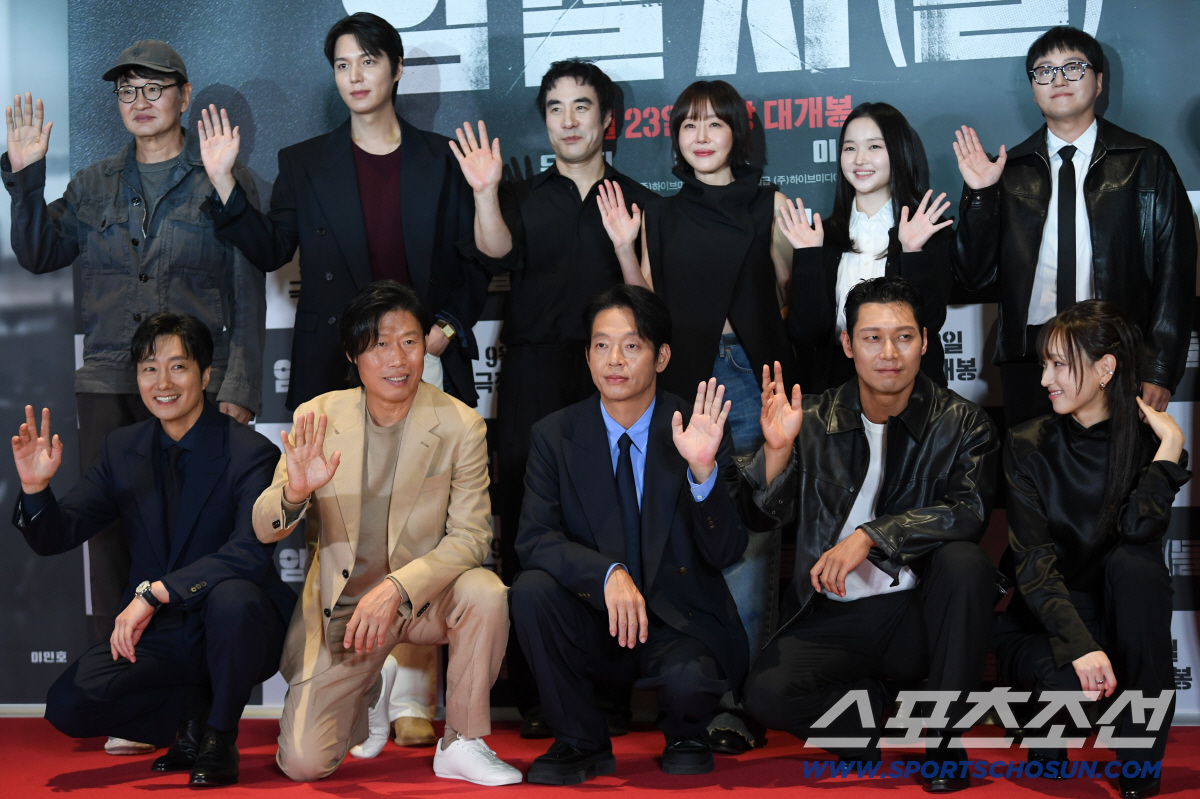
The South Korean film The Assassin(s), a mystery inspired by the 1974 killing of First Lady Yuk Young-soo, has drawn criticism for suggesting possible accomplices or broader regime involvement in the attack. Broadcaster and former medical journalist Hong Hye-geol argued that the film’s conspiracy-oriented fictionalization insults a widely respected public figure and reflects a double standard in how artistic license is judged. People Power Party lawmaker Joo Jin-woo also accused the film of distorting history and minimizing North Korea’s role, calling for punishment. The official investigation at the time concluded that Moon Se-gwang, acting on North Korean orders and with ties to the General Association of Korean Residents in Japan, intended to shoot President Park Chung-hee but killed Yuk instead; the film’s reconstruction has prompted debate over historical accuracy and artistic freedom.
Key Points
1
Joo Jin-woo compared the film’s premise to a hypothetical movie alleging that Kwon Yang-suk instigated Roh Moo-hyun’s death, asking whether that too would be defended as freedom of expression. He also characterized the film as defamation and said it should be punished.
2
Joo claimed that Kim Jong-il had directly apologized for the killing of Yuk Young-soo while acknowledging North Korea’s responsibility for an attempt on Park Chung-hee’s life.
3
The film quickly became a box-office hit: it passed one million admissions four days after opening and exceeded 1.5 million by the final day of the holiday period.
4
The film is directed by Hur Jin-ho and stars Yoo Hae-jin and Park Hae-il; it follows a detective, a newspaper city-desk editor and a rookie reporter as they investigate the forces behind the attack.
Sentiment
Mostly NegativeNEGATIVENEUTRALPOSITIVE
Publishers
32
Articles
11
Reach
43
A
AnonymousAuthor


