Israeli President Pardons Soldier in Palestinian Killing
Israeli President Pardons Soldier in Palestinian Killing
Anonymous
Key Points
1
In his first interview after leaving prison, Elor Azaria said, “I would act exactly the same, because that’s how I needed to act,” indicating that he continued to defend the shooting rather than accepting the court’s findings.
2
Abdel-Fattah al-Sharif had been lying on the ground for about 11 minutes after Israeli troops shot and subdued him. Azaria claimed he feared Sharif was wearing an explosive belt, but military judges rejected that explanation.
3
The pardon immediately shortened the period before Azaria’s criminal record would be cleared; without the decision, the record was reportedly due to remain until 2032.
4
IDF Chief of Staff Eyal Zamir told Herzog that the military opposed expunging Azaria’s record, arguing that Azaria had still not expressed remorse or accepted responsibility nearly a decade after his conviction.
5
After his release, Azaria continued to publicly support soldiers accused of assaulting Palestinian suspects, underscoring that the controversy remained tied to wider debates over soldiers’ use of force.
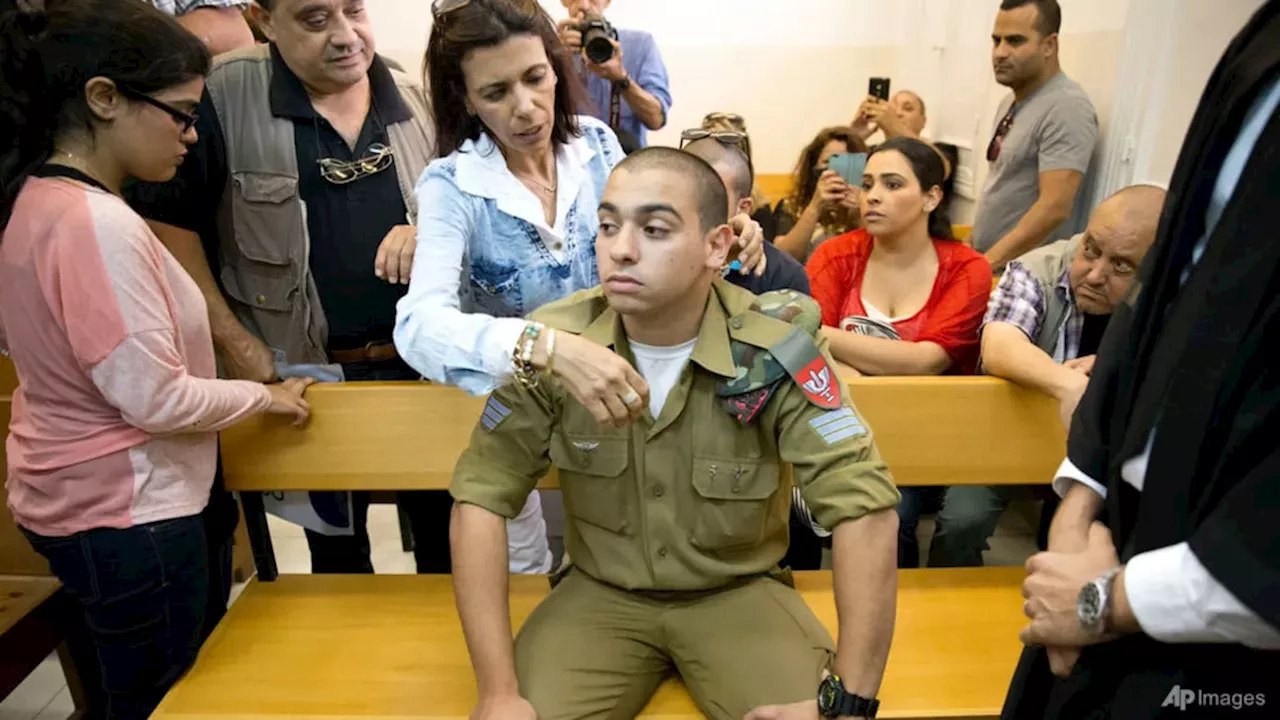
Israeli President Isaac Herzog has pardoned Elor Azaria, a former combat medic convicted of manslaughter for shooting a wounded Palestinian in Hebron in 2016. The Guardian reported that Azaria served nine months of an 18-month sentence before Herzog's decision expedited the clearing of his criminal record. The pardon came ahead of Yom Kippur, though Herzog said it did not reassess the case itself.
Azaria's case sparked international controversy after a cellphone video showed him firing at Abdel-Fattah al-Sharif, who had been lying on the ground for about 11 minutes after being shot and subdued following a stabbing attack. Eastern Herald noted that the pardon was opposed by Israel's military leadership but welcomed by Defense Minister Israel Katz and National Security Minister Itamar Ben-Gvir.
Soldier Defends His Actions Despite Court Conviction
In his first interview after leaving prison, Azaria rejected the court's findings. Eastern Herald reported he said, "I would act exactly the same, because that's how I needed to act." He claimed he feared al-Sharif was wearing an explosive belt, but military judges had rejected that explanation during his trial.
Military Leadership Strongly Opposed the Pardon
Israel's military chief of staff opposed clearing Azaria's record. General Eyal Zamir warned Herzog that Azaria had not expressed genuine remorse nearly a decade after his conviction. Eastern Herald stated that the IDF argued Azaria had still not accepted responsibility for the shooting.
Record Clearing Accelerated by Nearly Eight Years
The pardon immediately shortened the timeline for clearing Azaria's criminal record. Without Herzog's decision, the record was set to remain on file until 2032. The pardon removed a conviction that was widely seen as a rare case of Israeli military accountability.
Azaria Continues to Back Soldiers Accused of Force
After his release, Azaria continued publicly supporting soldiers accused of assaulting Palestinian suspects. This stance showed the pardon remained tied to a broader debate over how much force Israeli soldiers use against Palestinians. The decision drew criticism from human rights advocates who said it was too lenient for killing a wounded person.
Sentiment
Mostly NegativeNEGATIVENEUTRALPOSITIVE
Publishers
29
Articles
107
Reach
136
Topics
A
AnonymousAuthor


