Climate Disrupts Global Education
Climate Hazards Disrupted Schooling for 171 Million Students Worldwide in 2025
Anonymous
Key Points
1
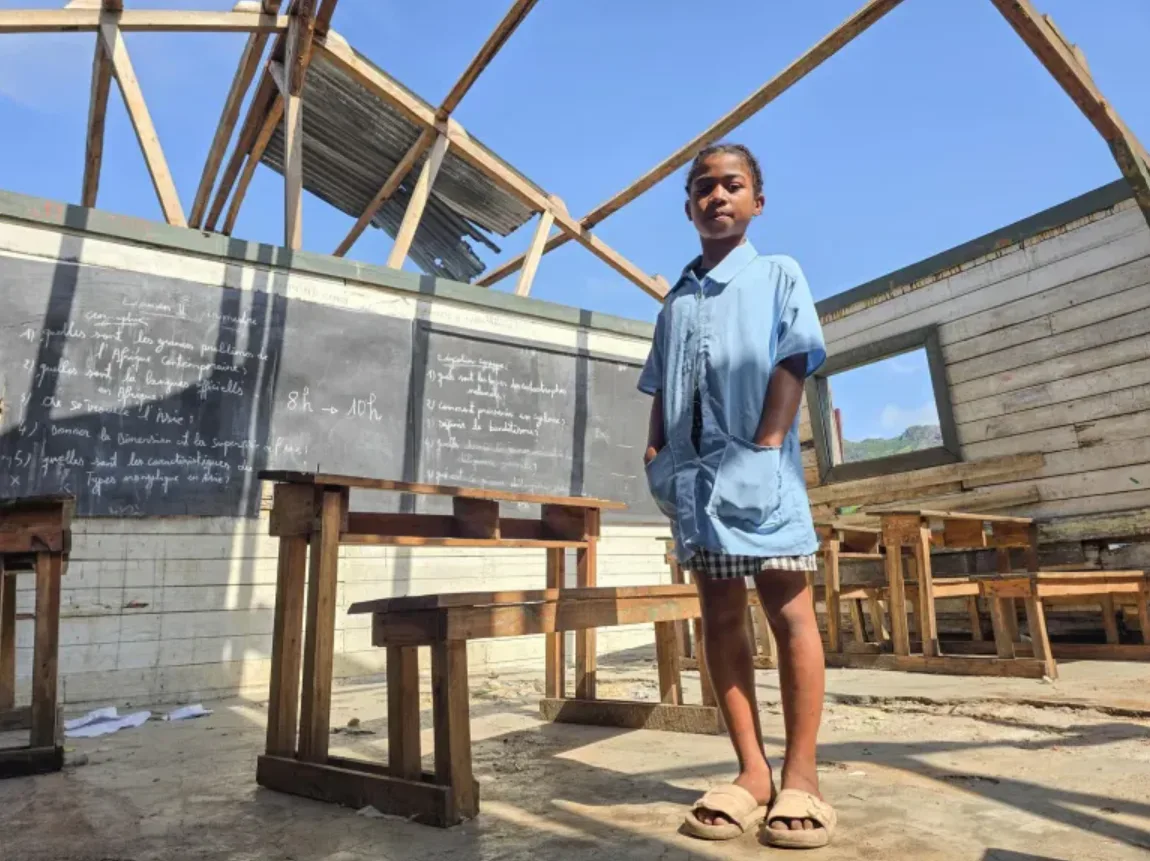
UNICEF Executive Director Catherine Russell said climate hazards “destroy schools, uproot families, and push the most vulnerable children, especially girls, out of the classroom for good.”
2
Egypt experienced a nationwide one-day suspension of classes in April after a powerful Khamsin wind-and-dust storm, affecting more than 28 million students.
3
The 171 million students affected in 2025 was lower than the 250 million reported for 2024, but UNICEF attributed the change to a refined methodology that used localized media and aid-agency reporting rather than relying solely on official government statistics.
4
UNICEF estimates that roughly one billion children—nearly half of the world’s youth—live in countries facing a “very high risk” from climate and environmental shocks.
Climate hazards disrupted schooling for more than 171 million students—roughly one in 10—across 106 countries in 2025, according to UNICEF. Storms affected 109 million students, floods hit at least 70 million, and heatwaves disrupted about 50 million, forcing school closures and increasing dropout risks. Three-quarters of affected students lived in low- and lower-middle-income countries with fewer resources to respond to climate shocks.
Girls face the sharpest risk of leaving school permanently when disasters strike. Climate hazards can deepen caregiving duties, drain family finances, and increase child marriage risks. UNICEF Executive Director Catherine Russell warned that climate hazards "destroy schools, uproot families, and push the most vulnerable children, especially girls, out of the classroom for good."
Pakistan and Egypt Hit Hardest by Extreme Weather
Pakistan's severe flooding delayed school returns for more than 28 million students in 2025, showing how a single climate event can paralyze an entire nation's education system. Al Jazeera reported that Egypt experienced a nationwide one-day class suspension in April after a powerful Khamsin wind-and-dust storm swept through, affecting more than 28 million students at once.
In Kenya, about 1.9 million learners—one in ten enrolled students—experienced climate disruption to schooling in 2025, according to Capital FM. These countries illustrate how weather shocks don't just close buildings. They derail learning for months and force families into survival mode instead of school.
Storms Pose the Biggest Threat to Global Education
Storms are the leading climate hazard disrupting schools worldwide. Citizen Digital reported that storms alone affected 109 million of the 171 million disrupted students in 2025. Floods came second at 70 million students, followed by heatwaves affecting roughly 50 million. The cascading damage—destroyed classrooms, contaminated water systems, impassable roads—forces repeated closures and shortened school years.
In Papua New Guinea, flooding around a school's creek regularly contaminates pit toilets and forces students to skip lessons. El Niño weather patterns are expected to worsen these extreme-weather risks across vulnerable regions in coming years, threatening even more disruption to fragile education systems.
Methodology Shift Reveals Lower 2025 Figures Than 2024
The 171 million students affected in 2025 was lower than the 250 million reported for 2024. Al Jazeera explained that UNICEF attributed this shift to a refined counting method using localized media reports and aid-agency data rather than relying solely on government statistics. Better tracking may reveal the true scale of disruption in regions with weaker data systems.
The bigger picture remains dire. UNICEF estimates that roughly one billion children—nearly half the world's youth—live in countries facing "very high risk" from climate and environmental shocks. This suggests millions more disruptions lie ahead unless countries build stronger, climate-resilient schools.
Sentiment
Mostly NegativeNEGATIVENEUTRALPOSITIVE
Publishers
17
Articles
33
Reach
50
A
AnonymousAuthor


