Airport Customs Outage
CBSA Primary Inspection Kiosk Outage Causes Long Delays Across Canadian Airports
Anonymous
Key Points
1
The CBSA said the outage began at approximately 3 p.m. and affected 11 airports, including Billy Bishop Toronto City Airport, Hamilton, Vancouver, Calgary, Edmonton, Winnipeg, Ottawa, Montréal-Trudeau, Québec City and Halifax.
2
NEXUS members were expected to remain able to use designated lanes, which have historically been less affected during primary-inspection-kiosk failures.
3
The CBSA said that despite the manual-processing delays, safety and security standards would continue to be upheld, with officers verifying identities, receiving declarations and conducting additional screening when warranted by individual circumstances.
4
The CBSA publicly acknowledged the disruption in two updates: first saying it was working with partners to fix the problem, then confirming several hours later that travellers were being processed manually and asking them to have their documents ready.
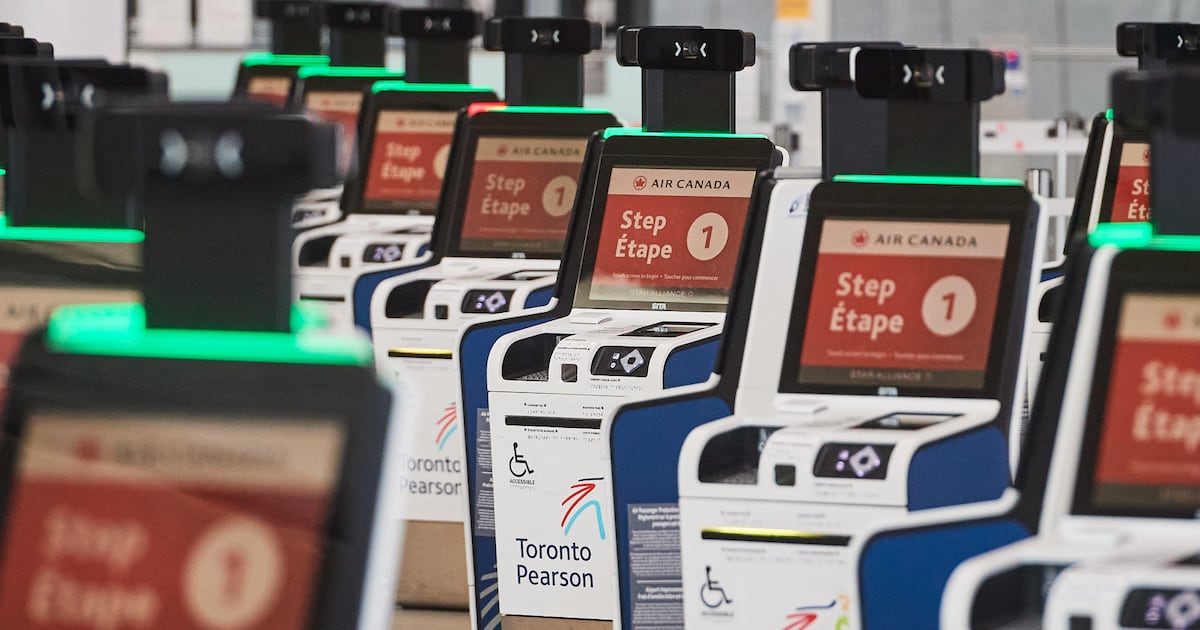
A major outage in Canada's border inspection system disrupted arrivals at 11 airports Friday afternoon, forcing customs officers to process travellers manually and creating delays of up to three hours. The Canada Border Services Agency said the primary inspection kiosks went offline at approximately 3 p.m., affecting major hubs like Toronto Pearson and Montréal-Trudeau, but the agency ruled out a cyberattack and said the cause remained under investigation CTV News.
Despite the manual processing bottleneck, the CBSA said security standards remained intact. Officers continued verifying identities, collecting declarations, and screening baggage. NEXUS members could still use expedited lanes, which typically bypass primary inspection kiosks The Traveler.
System Outage Hits 11 Canadian Airports
The outage disrupted operations at Billy Bishop Toronto City Airport, Hamilton, Vancouver, Calgary, Edmonton, Winnipeg, Ottawa, Montréal-Trudeau, Québec City, and Halifax, in addition to Toronto Pearson. Terminals 1 and 3 at Pearson were particularly hard hit CTV News. Some passengers were held on aircraft as customs areas reached capacity, while baggage operations also slowed.
Manual Processing Replaces Digital Kiosks
When the kiosks went offline, border officers switched to processing travellers by hand. This caused bottlenecks, with some arriving passengers waiting nearly three hours to clear customs. The CBSA advised travellers to have their documents ready to speed up the manual checks CP24.
No Cyberattack Suspected, Cause Unknown
The CBSA confirmed there was no indication of a cyberattack, but investigators had not yet identified what caused the system failure. The agency released two public updates — first acknowledging it was working with partners to restore service, then confirming hours later that manual processing was underway The Traveler.
Security and Safety Standards Maintained
The CBSA said that despite the switch to manual processing, identity verification, customs declarations, and security screening all continued uninterrupted. Officers could conduct additional screening if circumstances warranted it. The agency did not provide a timeline for restoring the kiosks to full operation CTV News.
Sentiment
Mostly NegativeNEGATIVENEUTRALPOSITIVE
Publishers
14
Articles
12
Reach
26
Topics
A
AnonymousAuthor


