Western Colombia Quake
7.4 Magnitude Earthquake Strikes Western Colombia, Causing Widespread Damage and Evacuations
Anonymous
Key Points
1
An aftershock measuring magnitude 5.0 struck roughly one hour after the main 7.4 quake.
2
The USGS issued an orange alert for shaking-related fatalities and economic losses, with an estimated death toll ranging from 100 to 1,000.
3
A neo-Gothic cathedral tower collapsed in Manizales amid widespread reports of structural damage.
4
Colombian President Abelardo de la Espriella said he would personally supervise recovery efforts and establish an emergency center in San Jose del Palmar.
5
There was no tsunami warning issued by the U.S. Tsunami Warning System in relation to the quake.
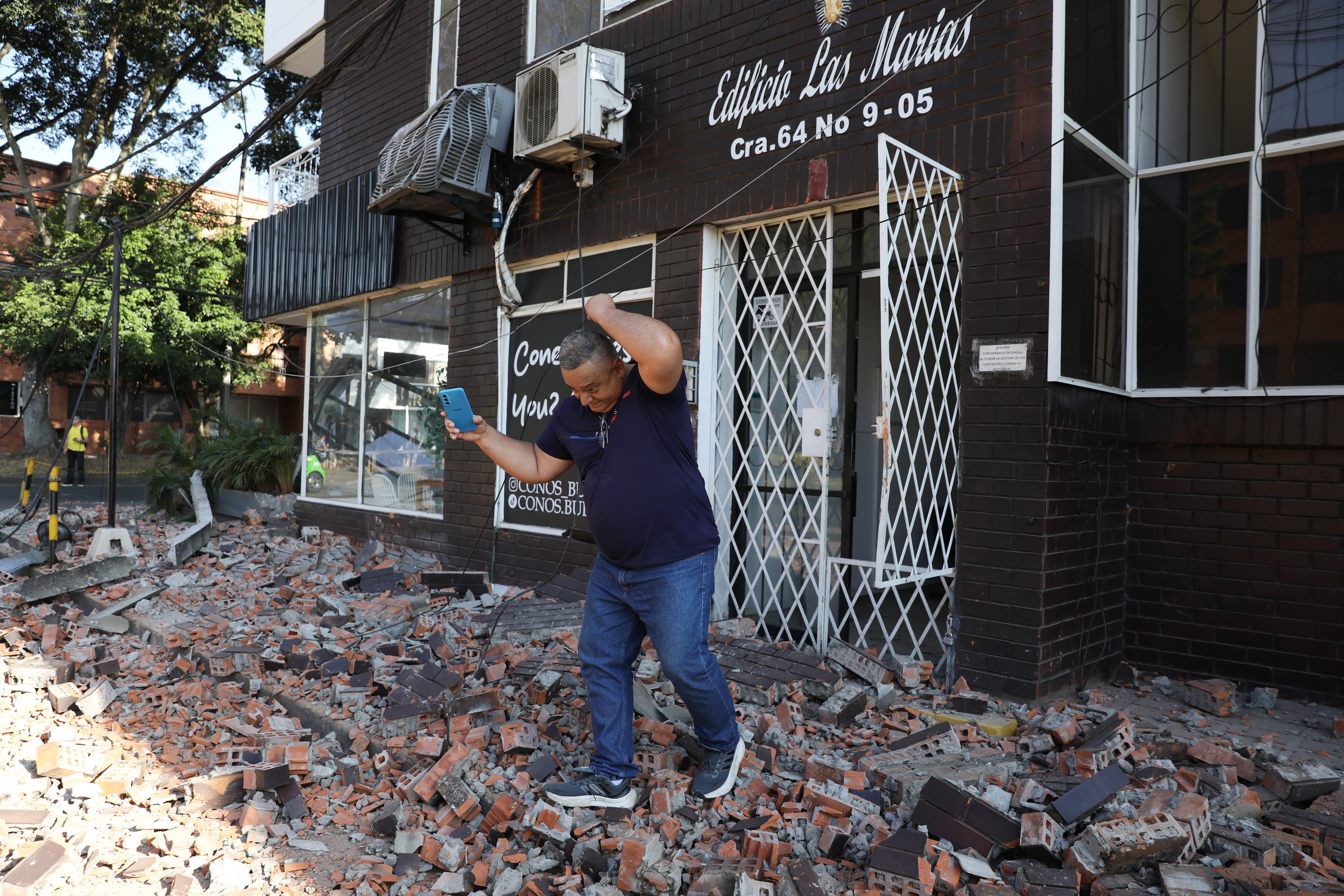
A magnitude-7.4 earthquake struck western Colombia on Monday, killing an unknown number of people and collapsing buildings across several cities. The epicenter was near San José del Palmar in the Chocó region, about 250 miles west of Bogotá, at a depth of roughly 96 to 107 kilometers, according to MassLive.
The quake triggered evacuations from Quibdó to Bogotá and was felt as far away as Ecuador. A magnitude-5.0 aftershock hit roughly one hour later. The USGS issued an orange alert — its second-highest warning — estimating between 100 and 1,000 deaths and significant economic losses, according to Head Topics.
Buildings Collapse and Cities Scramble to Evacuate
The damage was widespread and severe. In Cali, Colombia's third-largest city, buildings collapsed and people were trapped inside, according to Ynet News. The western cities of Quibdó and Pereira also reported significant structural damage and injuries. Airports in the region sustained damage, forcing officials to halt or restrict flights.
A neo-Gothic cathedral tower collapsed in Manizales, one of the most striking images of destruction from the quake. Evacuations were ordered across multiple western cities as aftershocks continued to rattle the region. Officials warned residents to stay away from damaged buildings and to expect more tremors.
USGS Orange Alert Points to Hundreds of Deaths
The U.S. Geological Survey placed the epicenter near San José del Palmar and issued an orange shaking alert. That alert level means the agency estimates fatalities between 100 and 1,000, with serious economic damage likely. The depth of the quake — around 96 to 107 kilometers — helped limit some surface damage, but the sheer size of the tremor overwhelmed that buffer, according to Lancaster Online.
No tsunami warning was issued by the U.S. Tsunami Warning System. But officials were not taking chances. Emergency teams fanned out across Chocó and surrounding departments to assess damage and locate survivors. Casualty numbers were still being verified as of early reporting.
Colombian President Rushes to Lead Relief Effort
Colombian President Abelardo de la Espriella moved quickly to take charge. He said he would personally supervise recovery efforts on the ground. He also announced plans to set up an emergency coordination center in San José del Palmar, the town closest to the epicenter, according to Los Angeles Times.
Government agencies began coordinating damage assessments across the affected region. Emergency workers were deployed to Quibdó and other hard-hit cities. Authorities called on residents to follow evacuation orders and report any injuries or structural concerns to local officials.
A Region Already Shaken by Deadly June Quakes
Monday's quake did not hit in isolation. Venezuela suffered back-to-back earthquakes in June — a magnitude-7.2 followed by a magnitude-7.5 — that destroyed hundreds of buildings and killed thousands of people. Both Colombian and Venezuelan officials described the latest disaster as part of a pattern of rising seismic activity across the region, according to Head Topics.
The string of powerful quakes has raised fresh alarm about building safety and disaster preparedness across northern South America. The Andes and Caribbean tectonic plates make this one of the world's most seismically active zones. Authorities say the situation in Colombia remains developing and casualty figures could rise significantly.
Sentiment
Mostly NegativeNEGATIVENEUTRALPOSITIVE
Publishers
22
Articles
118
Reach
140
A
AnonymousAuthor


