Republican Midterm Dividend Promise
Trump Pledges $5,000 Adult Dividend for U.S. Citizens If GOP Wins Midterms
Anonymous
Key Points
1
Trump compared the proposed payment to a company distributing cash to its shareholders and said, “Only I can make this promise to you,” presenting it as a reward for the country’s economic performance.
2
The Hill reported that the United States has about 270 million adults, underscoring the potential scale of the proposed payments.
3
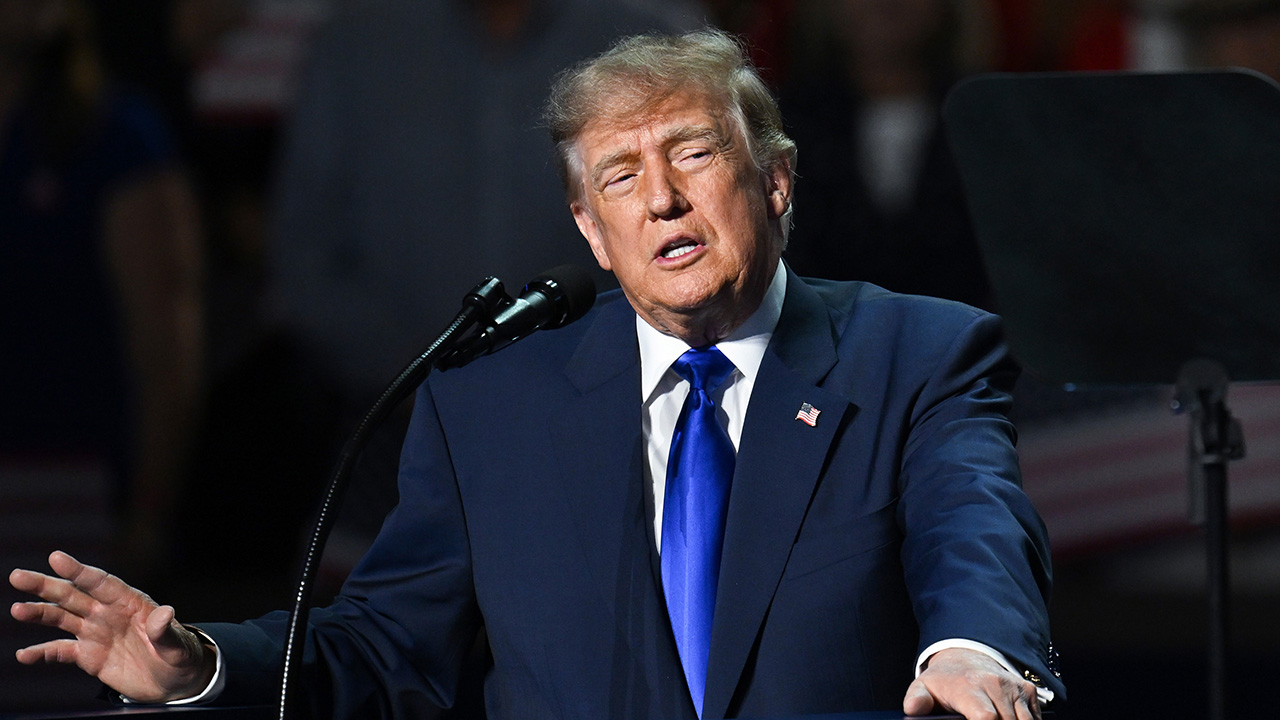
Trump announced the proposal nearly an hour into his speech at the Republican National Committee’s midterm convention in Dallas, where he was seeking to rally Republican voters ahead of the elections.
4
Trump likened the proposed checks to his Trump Account child investment funds and to last year’s “warrior dividend” bonuses for U.S. service members; CBS reported that both initiatives were authorized or funded through measures approved by lawmakers.
President Donald Trump pledged a $5,000 payment to every U.S. adult if Republicans keep control of the House and Senate in November's midterm elections, framing it as a corporate-style dividend reward for national economic strength. Speaking at the Republican National Committee's convention in Dallas on September 9, Trump said MarketWatch, "Only I can make this promise to you," while adding that the money must be spent in America. The proposal could cost over $1.2 trillion and would require congressional approval, yet Trump provided no details on funding, delivery, or eligibility.
Economists expressed serious concern that such a large cash injection could worsen inflation and national debt, which already exceeds $40 trillion. The Hill reported that the U.S. has roughly 270 million adults, underscoring the scale of the pledge. Trump attributed the idea to his administration's economic performance and compared it to past initiatives like his $1,776 "warrior dividend" for military service members announced in December 2025.
Trump's Corporate-Style Dividend Pitch to Voters
Trump unveiled the $5,000 payout proposal nearly an hour into his keynote address at the Republican National Committee's midterm convention, targeting voters ahead of the November elections. He likened the payment to a company distributing cash to shareholders, saying the money reflected the country's economic gains and tariff revenues. Daily Signal reported that Trump tied the pledge directly to GOP retention of both chambers, framing it as voters' reward for supporting Republican leadership.
Senator Bernie Moreno of Ohio pledged immediate action, posting on X that he would draft legislation to "get a bill ready so that we can get the Trump Dividend passed immediately after the November 3rd election." The swift endorsement from Republican allies showed party leaders treating the proposal as a serious campaign promise rather than speculation.
Staggering Cost With No Clear Funding Path
The proposal's price tag dwarfs standard federal spending. At roughly 270 million U.S. adults, $5,000 per person totals approximately $1.35 trillion before administration costs—comparable to one-third of annual federal discretionary spending. Trump cited economic strength and tariff accumulation as sources but never outlined concrete funding mechanisms or whether Congress would need to authorize the payments, raising legal and procedural questions.
The federal government already faces an annual deficit near $1.8 trillion and national debt exceeding $40 trillion. MarketWatch noted that Trump previously promised a $2,000 "tariff dividend" and a "DOGE dividend" funded by efficiency cuts, neither of which materialized due to lack of statutory authorization. Congressional approval would almost certainly be required under existing law, giving Democrats and budget-conscious Republicans significant power to block or modify the proposal.
Economists Warn of Inflation and Debt Risks
Budget experts flagged serious inflation concerns. A $1.2 trillion cash payout would dramatically increase consumer spending during an already heated economy, potentially reigniting price spikes that contributed to voter anger over high inflation. The pandemic-era stimulus checks showed that direct payments can fuel demand faster than supply can respond, driving prices upward.
The Treasury would need to fund the payout either through taxes, spending cuts, or new borrowing. Borrowing would create the strongest inflationary effect by injecting new money into the economy. Rising national debt would increase long-term interest costs and crowd out spending on infrastructure, defense, and social programs—constraints that may explain why prior Trump dividend proposals never advanced despite administration support.
A Desperate Political Gambit Before Difficult Midterms
Trump's approval rating sits in the low 30s as voters express anger over inflation and the ongoing military conflict with Iran. Historical trends show the sitting president's party typically loses seats during midterms, and current projections favor Democrats to gain control of both chambers. The $5,000 pledge appears designed to energize Republican voters and counter poor polling numbers just weeks before the November 3 election.
Critics compared the strategy to billionaire Elon Musk's 2025 campaign giveaways, characterizing it as a vote-buying effort fueled by electoral desperation rather than sound policy. CBS News reported that previous Trump dividend proposals failed to advance, suggesting this pledge faces similar legislative obstacles—unless Republicans sweep both chambers and Democrats lose enough power to block opposition.
Sentiment
Mostly NegativeNEGATIVENEUTRALPOSITIVE
Publishers
228
Articles
1.2K
Reach
1.4K
A
AnonymousAuthor


