Emergency Aircraft Landings
Four small planes make safe emergency landings across multiple states without injuries.
Anonymous
Key Points
1
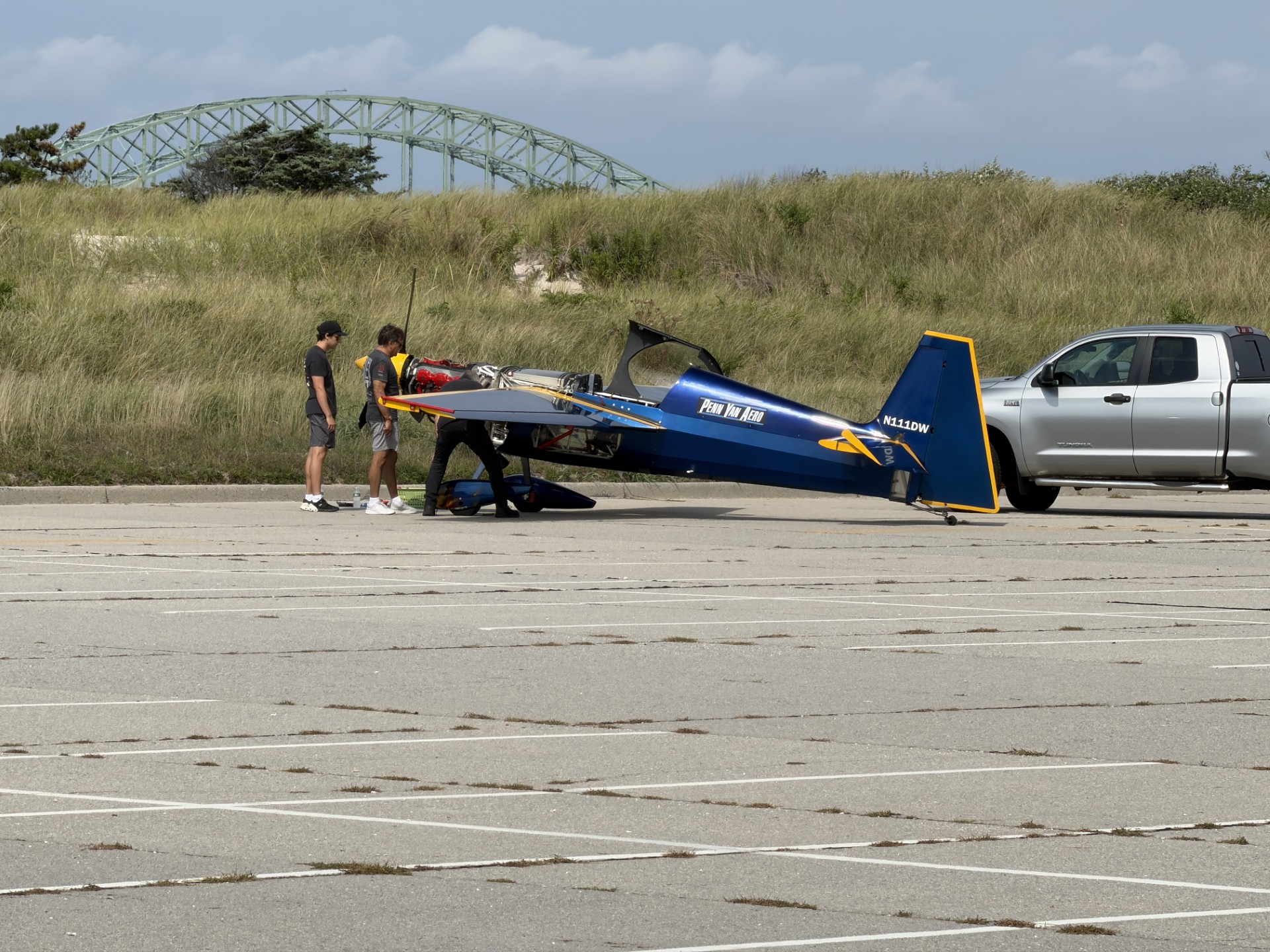
Long Island pilot David Windmiller, 62, had departed Republic Airport to practice for an airshow scheduled the next day in Cape May, New Jersey. He said the aircraft’s “brand-new engine” quit less than 10 minutes into the flight.
2
Windmiller said he selected the vacant parking lot because it was the only safe landing spot available, and the lot near Field 4 was closed for the season.
3
The Oklahoma aircraft had departed Sundance Airport with the tow bar still attached to its nose wheel and was originally headed to a town in Texas before diverting to Wiley Post Airport; flight-tracking data showed the pilot circling the airport several times before landing.
4
The Mississippi flight had departed Mobile, Alabama, for Missouri and stopped roughly 20 miles into the trip to refuel before the pilot noticed the oil pressure falling after regaining altitude.
5
Kemper County Sheriff James Moore said landing on the highway may have prevented a collision with oncoming traffic, even though the aircraft clipped a road sign and spun into a field.
Four small planes made emergency landings across the United States in recent days, each facing different mechanical crises mid-flight. News12 reported that veteran aerobatic pilot David Windmiller, 62, landed his single-engine plane in an empty parking lot at Robert Moses State Park on Long Island after his engine quit less than 10 minutes after takeoff. In Oklahoma, a two-engine plane landed safely after its pilot discovered a tow bar still attached to the nose wheel. Two other aircraft — one in Mississippi and another in Maryland — also made emergency touchdowns. No injuries or significant property damage occurred in any of the four incidents.
The landings underscore how quick pilot decisions and fortunate timing — empty parking lots, closed seasonal fields, and light traffic — kept outcomes from turning worse. Newsday noted that Windmiller's chosen landing spot in Field 4 had been closed since Labor Day, meaning no people or vehicles were present. Each pilot prioritized reaching a safe landing area over continuing toward their original destination.
Airshow Pilot Picks Parking Lot After Engine Dies
Windmiller was preparing for an airshow in Cape May, New Jersey, scheduled for the following day when his "brand-new engine" failed. News12 reported he had departed Republic Airport and was practicing aerial maneuvers when the propeller stopped spinning. With only minutes to respond, Windmiller surveyed the ground below and spotted the vacant parking lot near Field 4 at Robert Moses State Park.
He chose the lot because it was the only safe option available in his narrow window of time. GreaterLongIsland confirmed the aircraft was a Zivko Edge 540, a single-seat aerobatic plane designed for high-performance flying. The pilot landed without injury, and the closed seasonal location meant no bystanders were at risk.
Oklahoma Pilot Circles Airport With Tow Bar Still Attached
An Oklahoma two-engine aircraft took off from Sundance Airport headed for Texas with a critical oversight: a tow bar remained attached to its front nose wheel. KOCO reported the pilot discovered the equipment during flight and diverted to Wiley Post Airport in Oklahoma City. Flight-tracking data showed the pilot circling the airport multiple times before landing safely.
The tow bar attachment represents a missed preflight check — ground equipment that should have been removed before departure. Both occupants of the plane escaped unharmed. The incident highlights how thorough pre-flight inspections can catch equipment left behind by maintenance crews.
Mississippi Plane Loses Oil Pressure, Lands on Highway
A single-engine plane departed Mobile, Alabama, bound for Missouri when oil pressure began dropping after the pilot refueled and climbed back to altitude roughly 20 miles into the trip. The pilot made an emergency landing on Highway 397, but the aircraft clipped a road sign and spun into an adjacent field. No injuries were reported.
Kemper County Sheriff James Moore said the highway landing may have actually prevented a worse outcome by keeping the plane away from oncoming traffic. The pilot's prompt response to the oil pressure warning — redirecting toward the roadway rather than continuing forward — gave him the best available options in a deteriorating situation.
Landing Gear Problem Forces Maryland Airpark Diversion
A twin-engine plane carrying two people experienced a nose landing-gear malfunction mid-flight and diverted to Montgomery County Airpark for an emergency landing. The aircraft touched down safely, and neither occupant sustained injury. The incident was the fourth emergency landing in the same period.
Together, these four incidents — an engine failure, a missed equipment check, oil pressure loss, and landing-gear trouble — show that pilots' in-flight decisions matter as much as ground inspections. Each pilot recognized a problem early, chose a reachable landing site, and prioritized safety over reaching their destination.
Sentiment
Mostly NegativeNEGATIVENEUTRALPOSITIVE
Publishers
13
Articles
4
Reach
17
A
AnonymousAuthor


