Amazon's Complex Tariff Refunds
Amazon Reports $600 Million in Tariff Refunds Amid Complex Distribution and Legal Disputes
Anonymous
Key Points
1
Over 60% of goods sold on Amazon’s marketplace come from outside sellers, and because Amazon is not the importer of record for the large majority of items, most tariff refunds flow through third‑party sellers rather than back to Amazon or directly to buyers.
2
Automatic refunds are limited to a narrow set of circumstances where Amazon can trace a specific import charge to a particular order; as CFO Brian Olsavsky put it, "We have identified a limited set of circumstances where we can trace that we passed specific import charges on to customers, and when we receive those refunds, we will proactively contact affected customers and automatically issue refunds to them."
3
Adidas America Inc. is pursuing a government tariff refund, claiming roughly $300 million after the Supreme Court ruled tariffs imposed under the Emergency Powers Act unlawful; Adidas notes the duties could have added as much as €200 million in costs for the rest of the year and cited price increases (for example, Samba rising from $90 to $100). Under customs law, only the importer of record can seek a tariff refund.
4
Amazon stockpiled inventory ahead of tariffs, a strategy that helped keep prices flat but contributed to refunds being smaller than some expected in Q2; CEO Andy Jassy warned tariffs would push up prices, and the balance between absorbing higher costs and passing them on is constrained by mid‑single‑digit margins.
Amazon collected roughly $600 million in tariff refunds during the second quarter, but most of that money is not flowing back to shoppers. KHQ reported that the refunds stem from the Supreme Court's decision to strike down President Trump's tariffs, which forced the government to repay companies that had already paid the charges.
The catch is complexity. Because over 60% of goods on Amazon's marketplace come from third-party sellers — not Amazon itself — tracing which customer paid which tariff charge is extremely difficult. Only a narrow slice of orders will see automatic refunds.
How Amazon Decides Who Gets a Refund
CFO Brian Olsavsky explained the limitation clearly. "We have identified a limited set of circumstances where we can trace that we passed specific import charges on to customers," he said. "When we receive those refunds, we will proactively contact affected customers and automatically issue refunds to them." WUSA9 noted that this tracing process is what makes the refunds so complicated.
The core problem is that Amazon is not the importer of record for most of what it sells. Third-party sellers handle their own imports. That means tariff charges live inside seller pricing, not inside Amazon's books. Without a direct paper trail, Amazon cannot automatically issue a refund.
Stockpiling Strategy Softened Prices but Shrank Refunds
Amazon prepared for tariffs by building up inventory early. CEO Andy Jassy warned that tariffs would push prices higher, and Amazon moved fast to get ahead of that. The stockpiling kept prices flat for many customers in Q2, but it also meant fewer charges were directly passed on — leaving less to refund.
Amazon operates on mid-single-digit margins. Jassy acknowledged that tariffs created real cost pressure. The company cannot simply absorb added costs without squeezing already thin profits. That tension — between keeping prices low and protecting margins — shaped how much relief customers actually saw.
Adidas Chases $300 Million in Tariff Payback
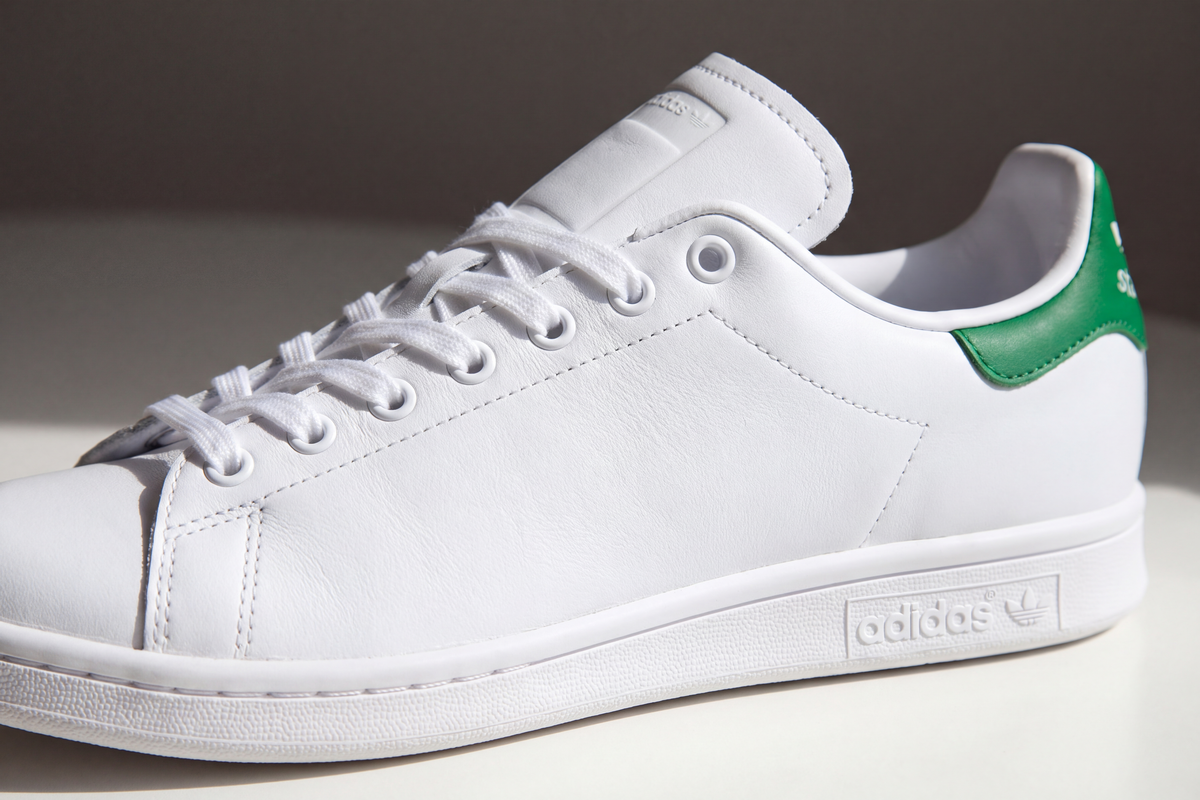
Amazon is not the only company navigating this. Adidas America Inc. is pursuing roughly $300 million in government tariff refunds after the same Supreme Court ruling. The company said the duties could have added up to €200 million in costs for the rest of the year. Adidas had already raised prices — for example, the Samba sneaker jumped from $90 to $100 — to cover the tariff hit, according to Claim Depot.
But there is a legal hurdle. Under U.S. customs law, only the importer of record can file for a tariff refund. That rule is the same one tripping up Amazon. Companies must prove they paid the charge directly before they can claim it back.
Class-Action Lawsuit Puts Amazon on the Spot in Seattle
Consumers are not waiting quietly. Amazon faces a class-action lawsuit filed in Seattle. The suit alleges that Amazon did not do enough to pursue refunds on tariff-inflated prices that customers paid. Adidas faces a similar suit in Oregon, where five consumers claim the brand raised prices to cover tariffs it later got back, according to Claim Depot.
The legal pressure adds urgency to what was already a messy situation. Amazon says it will reach out automatically when it can trace a refund. But for millions of shoppers who bought from third-party sellers during the tariff period, the money may never come back.
Sentiment
Mostly NegativeNEGATIVENEUTRALPOSITIVE
Publishers
29
Articles
57
Reach
86
A
AnonymousAuthor


