Russia Restricts Movement Along 5-Km Estonia Border
Russia Restricts Movement Along 5-Km Estonia Border
Anonymous
Key Points
1
Russia’s border regime is governed by the 1993 State Border law, which requires passes for entry into controlled areas. The FSB said passes are issued free of charge through designated offices, including one in Ivangorod, directly across the Narva River from Estonia.
2
Estonia’s Police and Border Guard Board said Russian authorities did not notify it directly in advance of the restrictions. Border representative Andris Viltsin said Russia’s border zone is already subject to stricter everyday controls than Estonia’s, including limits on who may enter Ivangorod without an invitation.
3
Separate border-regime rules introduced on June 28 also cover part of the Gulf of Finland. Small-vessel operators between the mouth of the Narva River and Cape Shepelevsky must notify the border unit at least two hours before departure, providing details about the vessel, route, crew, passengers and expected return, and must report their actual arrival afterward.
4
The Kingisepp district administration said nearly half of the district’s borders fall within Russia’s designated border zone, underscoring the area’s unusually extensive regime of access controls.
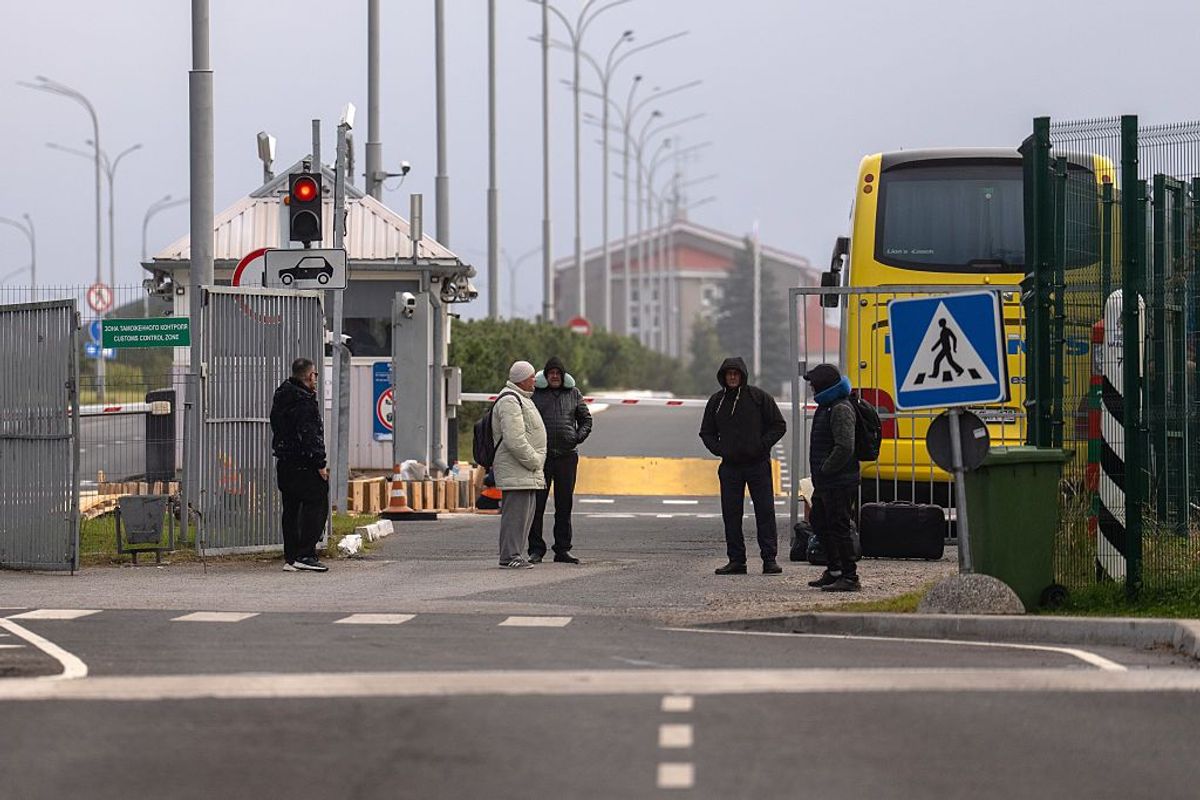
Russia's Federal Security Service has imposed a 10-day ban on nighttime movement within five kilometers of the Estonian border, starting September 16, 2026. Kyiv Independent reports the temporary restrictions cover two districts in the Leningrad region and prohibit people and vehicles from moving outside populated areas after dark, hunting, and carrying firearms in the border strip. Access to parts of the Narva River is also blocked, including small-vessel traffic in specified zones.
Russian authorities cite the need to prevent border violations, protect residents, and safeguard aquatic resources. United24 Media notes the restrictions run through September 26. Estonia's Police and Border Guard Board said it expected the temporary measures and does not view them as extraordinary, though the move draws attention given the border's proximity to the NATO-allied Estonian city of Narva and heightened security concerns on NATO's eastern flank.
A Heavy Hand in Russia's Border Zone
Russia's border regime is governed by a 1993 State Border law requiring passes to enter controlled areas. Caliber reports the FSB issues these passes free of charge through designated offices, including one in Ivangorod, directly across the river from Estonia. Estonia's Police and Border Guard Board noted Russia did not notify it directly before imposing the restrictions, even though the two countries share a heavily militarized frontier.
The Kingisepp district administration revealed that nearly half of its borders fall within Russia's designated border zone, showing how extensive access controls are in this region. Militarnyi confirms the temporary restrictions affect the districts of Kingisepp and Slantsy throughout the 10-day period, with specific rules governing who may enter areas like Ivangorod without an invitation.
Tight Rules on River Movement and Fishing
The new restrictions prohibit hunting and carrying firearms in designated border areas. Access to the Narva River is also barred, including shoreline activity and small-vessel traffic between specified tributaries. United24 Media notes that separate border-regime rules introduced on June 28 already cover parts of the Gulf of Finland, requiring small-vessel operators to notify the border unit at least two hours before departure with vessel details, crew names, and expected return times.
These maritime restrictions underscore how tightly Russia controls movement across its western border. Fishing and recreational use of waterways near the frontier have become heavily regulated, reflecting Moscow's focus on securing what it views as a sensitive boundary zone adjacent to NATO territory.
Estonia Views It as Routine Despite NATO Tensions
Estonia's border officials downplayed the significance of the new restrictions, saying Russia routinely maintains stricter everyday controls in its border areas than Estonia does. Border representative Andris Viltsin stated that Russia's regime is already subject to tighter access rules than Estonia's side of the frontier. Kyiv Independent reported Estonia expected these temporary measures, signaling that both countries understand such restrictions are part of the ongoing border management dynamic.
Still, the timing draws scrutiny. Outono notes Russia has imposed what amounts to a nighttime curfew within five kilometers of the strategic city of Narva, Estonia. The 10-day window arrives amid persistent concerns about possible Russian hostile actions and broader security worries affecting NATO's eastern members, making even routine border moves subject to close international attention.
Sentiment
Mostly NegativeNEGATIVENEUTRALPOSITIVE
Publishers
17
Articles
8
Reach
25
Topics
A
AnonymousAuthor


