Artist Sentenced Over Mao Art
China Sentences New York-Based Artist Gao Zhen To Three Years Over Mao Sculptures
Anonymous
Key Points
1
Gao Zhen and his brother Gao Qiang became known in the early 2000s for provocative works such as Mao’s Guilt (a kneeling Mao) and Execution of Christ (bronze Mao figures aiming rifles at Jesus), underscoring their confrontational critique of Maoist legacy.
2
The trial included a one-day secret hearing in March at Sanhe City Court, with U.S. diplomats barred from attending and two of Gao Zhen’s brothers present in the courtroom.
3
Gao Zhen moved to the United States in 2022 and is a New York-based artist, adding international context to his detainment while visiting China.
4
The sentence awarded was the maximum three-year term for the offence of ‘insulting heroes,’ reflecting the authorities’ use of the law to deter independent artistic expression.
5
Gao’s wife and child, including a US citizen son, have faced harassment and travel restrictions, with reports that they have been unable to leave China since his detention in 2024.
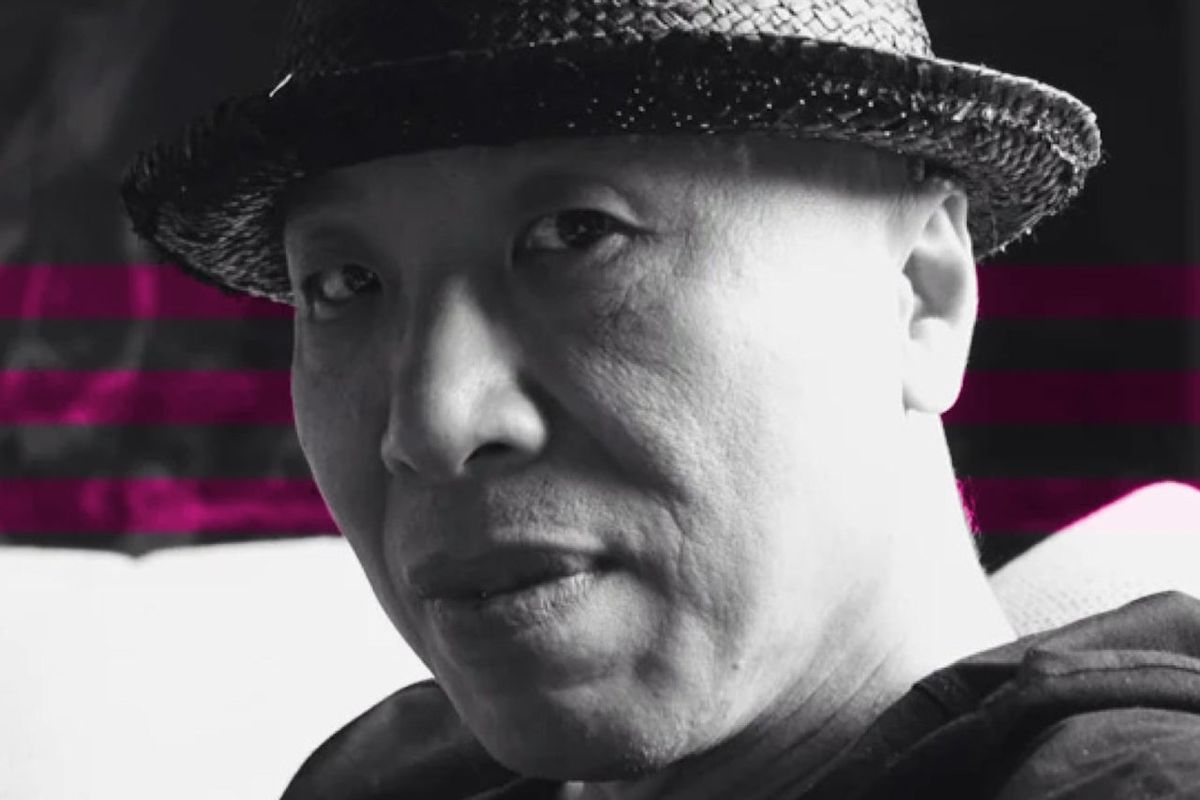
Chinese artist Gao Zhen has been sentenced to three years in prison for creating sculptures that mock Mao Zedong, according to The Independent. The 70-year-old New York-based artist was convicted under a 2021 law that makes it illegal to insult national heroes. His provocative works, including a kneeling Mao and bronze figures depicting Mao aiming rifles at Jesus, challenged China's official narrative about its communist past.
Rights groups say the verdict is part of a broader crackdown on independent art in China. Amnesty International denounced the sentence and called for authorities to stop criminalizing peaceful artistic expression. Gao's family has faced harassment and travel restrictions since his detention during a 2024 trip home.
A Trial Closed to the World
Gao Zhen's trial took place in March at Sanhe City Court in a single closed-door hearing, according to The Independent. US diplomats were barred from attending the proceedings. Only two of Gao's brothers were allowed in the courtroom to witness the verdict. The secretive nature of the trial raised concerns about China's legal transparency.
Art That Defied China's Official Narrative
Gao Zhen and his brother created bold sculptures starting in the early 2000s that openly criticized Mao's legacy. One work showed Mao kneeling in guilt. Another depicted bronze Mao figures aiming weapons at Jesus. These pieces directly challenged how China's government wanted citizens to view the communist founder.
The criminal charges were brought under a 2021 law, but prosecutors applied it to Gao's artworks created between 2005 and 2009—more than a decade earlier. This retroactive use of the law raises questions about whether artists can ever feel safe creating work in China.
Family Caught in the Crossfire
Since Gao Zhen's detention, his wife and child have suffered significant consequences. His US citizen son has been unable to leave China. The family has faced repeated harassment from authorities. Rights organizations say this punishes innocent relatives for one man's artistic choices.
Amnesty International's China Director urged authorities to overturn the charges immediately. The group argues that artistic freedom and political criticism must be protected, not criminalized. The case signals to other artists that challenging the government through art carries severe risks.
A Broader Pattern of Silencing Dissent
Gao's three-year sentence is the maximum penalty allowed for insulting heroes under Chinese law. Observers say the harsh sentence reflects authorities' determination to deter independent artistic expression across the country. The verdict sends a clear message that works questioning official narratives will face criminal punishment.
Gao moved to the United States in 2022, establishing himself as a New York-based artist. His decision to remain abroad likely spared him from earlier detention. The international attention on his case has drawn criticism of China's restrictions on free speech, but his family's ongoing ordeal shows the government's willingness to extend consequences beyond the artist himself.
Sentiment
Mostly NegativeNEGATIVENEUTRALPOSITIVE
Publishers
13
Articles
65
Reach
78
A
AnonymousAuthor