Football Drinking Ban Review
Prime Minister Andy Burnham Backs Trial to End 40-Year Football Drinking Ban
Anonymous
Key Points
1
The restriction applies specifically to matches involving clubs in the top five tiers of English men’s football, and the rules cover the period from 15 minutes before kickoff until 15 minutes after the final whistle.
2
The Football Supporters’ Association backed a review of what it called outdated legislation, while police chiefs said they wanted to meet the prime minister to explain the practical challenges of relaxing the rules.
3
The 1985 legislation was introduced by Margaret Thatcher’s government after then-Home Secretary Leon Brittan described alcohol as a “major contributory factor in violent and disorderly behaviour” at football grounds.
4
Reuters reported that the introduction of all-seater stadiums, tougher policing and CCTV, as well as football’s commercial transformation, has helped reduce match violence since 1985; the article also linked the crackdown to the Heysel Stadium disaster, in which 39 people died and English clubs were subsequently banned from European competitions for five years.
5
A trial permitting alcohol consumption in view of the pitch was conducted in the English Women’s Super League during the 2025-26 season, and a supporter survey found that 90% considered matches still safe and family-friendly.
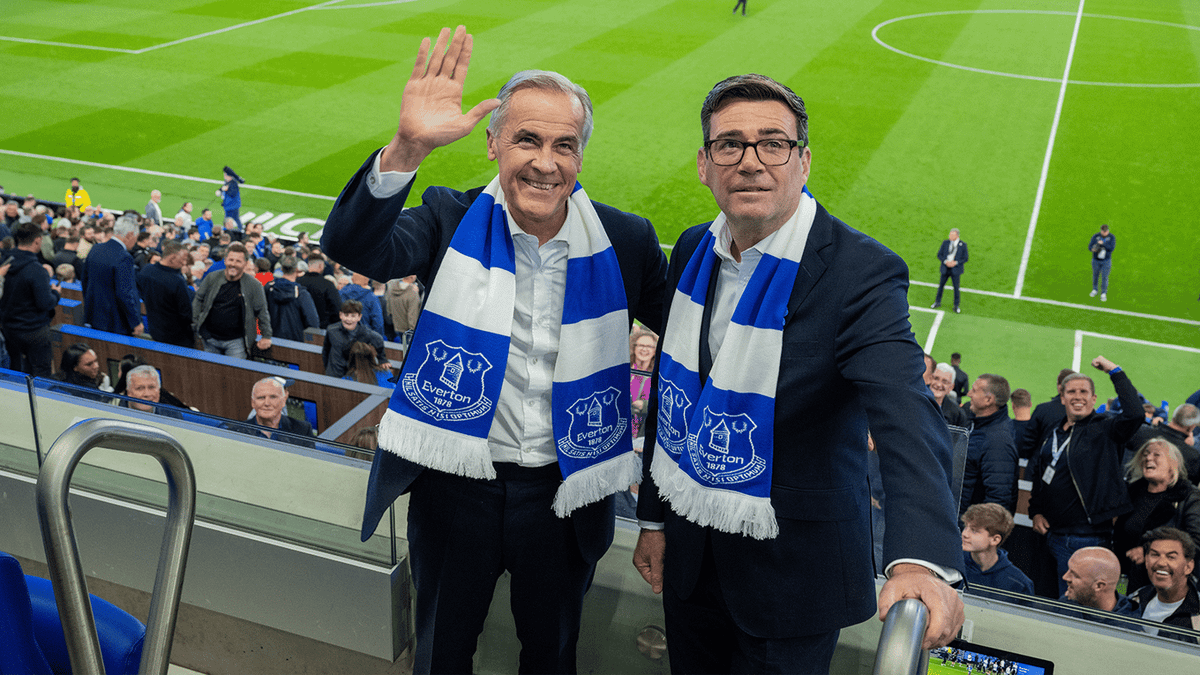
Prime Minister Andy Burnham said England should reconsider its 40-year ban on football fans drinking alcohol in view of the pitch, calling the rule outdated and unfair to supporters. The Independent reported that Burnham argues the restriction unfairly singles out football fans compared with spectators at rugby and cricket matches, where alcohol consumption in seating areas is permitted. He proposed starting with a trial to test whether stadium safety has improved enough since the law took effect in 1985.
Football supporters' groups backed the review, but police officials warned that relaxing the rules could be dangerous. Under current law, fans may buy alcohol inside stadiums but must consume it outside the viewing area. The ban covers the period from 15 minutes before kickoff until 15 minutes after the final whistle at matches in England's top five football tiers.
A Ban Born From 1980s Hooliganism Crisis
Margaret Thatcher's government introduced the drinking ban in 1985 during a wave of severe football violence. Reuters reported that the measure followed the Heysel Stadium disaster in 1985, when a crowd crush killed 39 people and led to English clubs being banned from European competitions for five years. Former Home Secretary Leon Brittan called alcohol a "major contributory factor in violent and disorderly behaviour" at football grounds, making the crackdown politically urgent.
Stadium Safety Has Transformed Since 1985
Conditions at football matches have changed dramatically over four decades. Reuters noted that all-seater stadiums, improved policing, CCTV surveillance, and football's commercial transformation have significantly reduced match violence. A trial in the English Women's Super League during the 2025-26 season allowed fans to drink alcohol in view of the pitch. A supporter survey found that 90% of attendees still considered matches safe and family-friendly after the rule change.
Football Fans Support Review, Police Urge Caution
The Football Supporters' Association welcomed a review of what it called outdated legislation. Mirror reported that supporters argue football fans face discrimination that spectators at other sports do not. However, police chiefs expressed serious concerns. They said alcohol significantly contributes to football-related violence and requested a meeting with Burnham to explain the practical challenges of loosening restrictions.
Trial Could Test Whether Rules Can Safely Change
Burnham's proposal centers on conducting a pilot program rather than immediately scrapping the ban. The trial approach would allow regulators to gather real-world data on safety outcomes if alcohol rules are relaxed. If successful, the trial could pave the way for permanent policy change. The debate reflects tension between modernizing fan experience and preventing a return to the violence that justified the 1985 law.
Sentiment
Mostly NegativeNEGATIVENEUTRALPOSITIVE
Publishers
48
Articles
122
Reach
170
A
AnonymousAuthor


