The Guardian Drops Facebook
The Guardian Ends Facebook Integration While Keeping Reader Commenting Systems Active
Anonymous
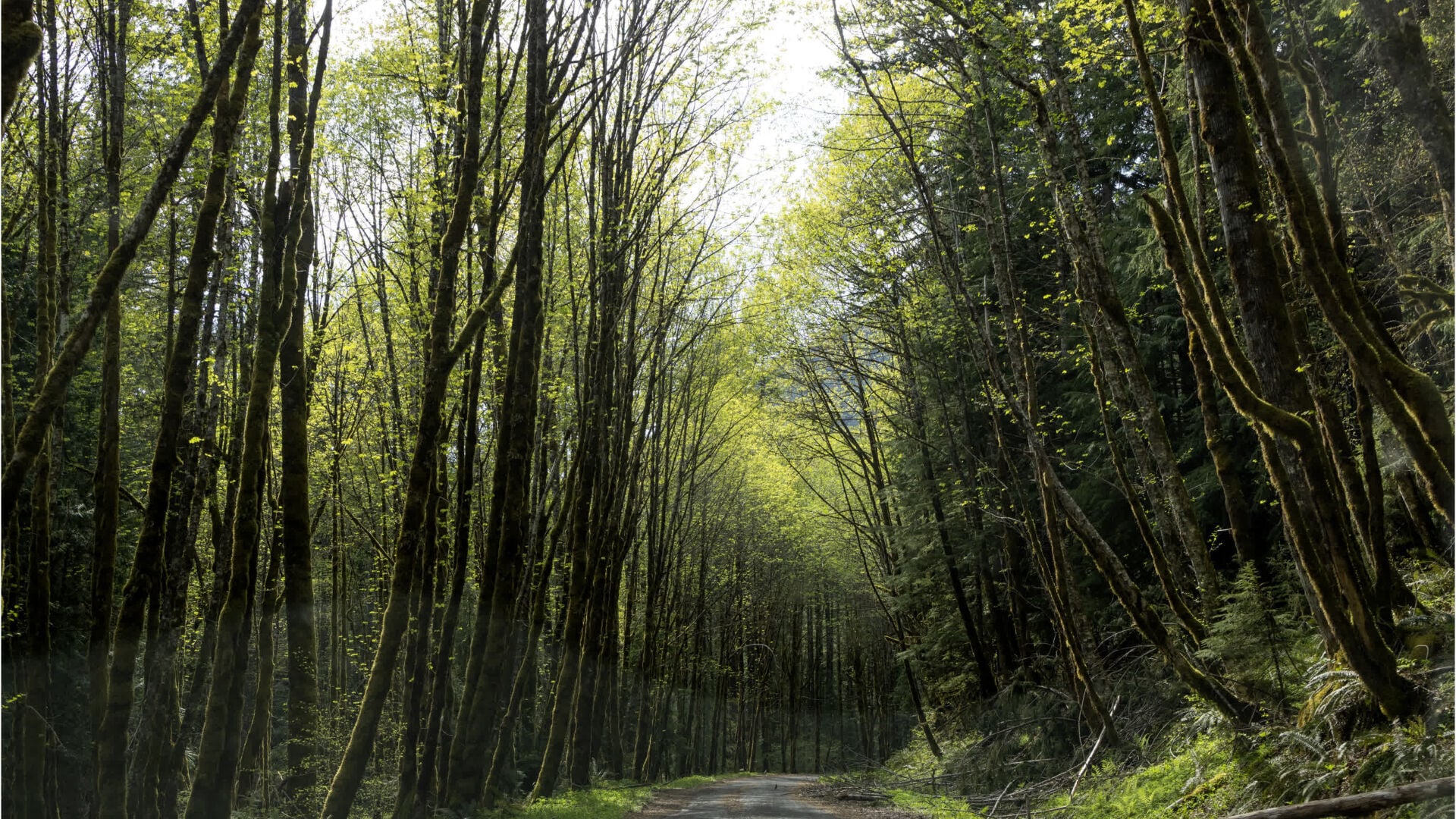
Grounds maintenance and landscaping have become considerably more dangerous over the past decade, with fatal injury rates climbing 60 percent, according to federal data. MoneyGeek analysis of workplace statistics reveals the fatal injury rate for grounds maintenance workers jumped from 13 deaths per 100,000 workers in 2014 to 20.9 in 2024, pushing this everyday job into the top 10 most dangerous U.S. occupations.
The spike mirrors rising hazards from heat stress, heavy machinery, and equipment contact. USA Today reports that labor shortages and overwork in the landscaping sector have reduced safety training and increased accident risks across the industry.
Fatality Rates Skyrocket for Landscaping Workers
The fatal injury rate for grounds maintenance workers has surged dramatically in just ten years. The nwitimes reported the rate climbed from 13 deaths per 100,000 workers in 2014 to 20.9 in 2024, based on federal workplace data analysis. This 60.8 percent increase is striking for an occupation most people view as routine compared to logging or mining.
Grounds maintenance now ranks among the deadliest jobs in America. The occupation approaches fatality rates for construction helpers (40 per 100,000) and rivals crossing guards (38 per 100,000), according to the U.S. Bureau of Labor Statistics Census of Fatal Occupational Injuries data for 2024.
Heat, Equipment, and Labor Shortages Drive Rising Deaths
Multiple factors explain the surge in landscaping fatalities. Extreme weather events and prolonged heat exposure have intensified workplace hazards. Increased reliance on heavy machinery—commercial mowers, wood chippers, and bucket trucks—has added equipment contact risks that workers may not be trained to handle safely.
Labor shortages in landscaping have made conditions worse. USA Today analysis reveals that overwork, reduced safety training, and decentralized subcontracting—where safety compliance varies widely—have all contributed to higher accident rates. Many companies prioritize speed over safety when workers are hard to find.
Regulators Push for Stricter Heat and Equipment Standards
Federal workplace safety officials face mounting pressure to act. OSHA is considering enforceable national heat standards and stricter machine-guarding rules for light commercial landscaping operations. Safety analysts warn that cumulative equipment failures represent a critical risk flag that cannot be ignored.
Industry groups and labor advocates remain divided on solutions. Labor groups emphasize the need for mandatory training and heat protections, while some landscaping companies argue that decentralized operations make uniform regulations difficult to enforce across seasonal and subcontracted crews.
Sentiment
NeutralNEGATIVENEUTRALPOSITIVE
Publishers
25
Articles
24
Reach
25
A
AnonymousAuthor


