Ontario Housing Plans
Ontario Candidates Outline Competing Visions for Housing and Budget Priorities
Anonymous
Key Points
1
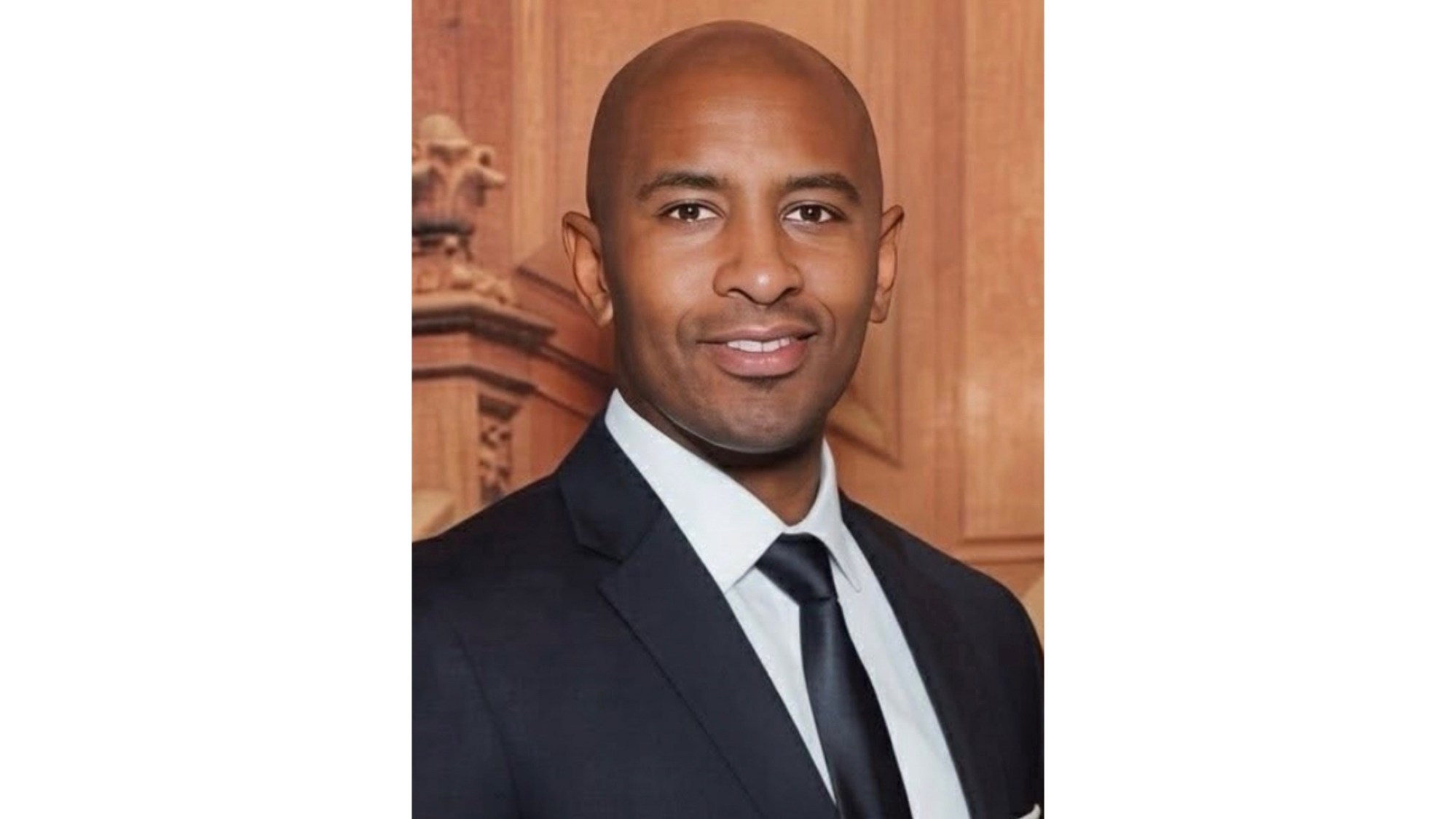
Lampkin said Ontario is one of five of California’s 20 largest jurisdictions on pace to meet its market-rate housing target, while arguing that market-rate construction alone will not resolve affordability.
2
Lampkin also proposed keeping lines of communication open with HOA neighborhood leaders and using code enforcement to address absentee landlords and ensure renters have safe, well-maintained homes.
3
Kizzee said flexible code standards, alongside streamlined and expedited permitting, could reduce development costs and potentially lower housing costs for new residents.
4
Martinez named inclusionary zoning, tax incentives and land partnerships as tools the city could use to attract affordable housing within a master-planned community.
Ontario's mayoral and city council candidates laid out competing visions for housing and spending in recent questionnaire responses. District 3 candidates Larry Trinidad and D'Andre Lampkin diverge on development strategy, with Trinidad pushing growth through major projects while Lampkin emphasizes affordable housing at multiple price points. Mayoral hopefuls Kevin Kizzee and Daisy Macias offer sharply different fiscal approaches—Kizzee calling for a spending freeze and forensic budget review, Macias backing strategic infrastructure investment.
District 3 Race Splits on Growth and Density
Larry Trinidad supports expanding Ontario's tax base by backing the new ballpark and development near Toyota Arena, while blocking more warehouses. He favors steady pension-debt repayment and maintaining protected reserves. D'Andre Lampkin takes a different tack, championing housing at multiple price points through public-private partnerships for lower-income units. Lampkin noted that Southern California News Group data shows Ontario is one of five of California's 20 largest jurisdictions on pace to meet its market-rate housing target.
Lampkin warned that broad rent control could shrink housing supply and raise market rents instead. He proposed keeping lines of communication open with neighborhood HOA leaders and using code enforcement to crack down on absentee landlords and ensure renters have safe, maintained homes. His approach ties housing to coordinated infrastructure and neighborhood needs rather than development-first growth.
Mayoral Candidates Present Opposing Budget Philosophies
Kevin Kizzee has called for a complete spending halt beyond the current budget and ordered a forensic review before greenlight any new projects. He proposes requiring impact statements on housing costs and suggests faster permitting could cut development costs and lower prices for new residents. Kizzee also backs an online spending portal to increase transparency. His platform centers on fiscal restraint and cost reduction.
Daisy Macias takes the opposite approach, supporting housing incentives and public-private partnerships paired with infrastructure investment, resident input, and development suited to Ontario's needs. Stephanie Martinez, the District 2 candidate, falls somewhere in the middle—favoring financially responsible and business-friendly growth alongside affordable housing planned with expert developers and community input.
Tools and Tradeoffs on Affordability
District 2's Martinez identified three levers the city could pull: inclusionary zoning (requiring a share of new units be affordable), tax incentives, and land partnerships. She favors master-planned communities that bundle affordable housing with broader development. Kizzee emphasizes flexible code standards and expedited permitting as cost-cutters, while Lampkin flags a key tension: market-rate construction alone will not solve affordability, requiring targeted interventions for lower-income residents.
Sentiment
Mostly NegativeNEGATIVENEUTRALPOSITIVE
Publishers
14
Articles
13
Reach
27
A
AnonymousAuthor


