Wall Street Tech Rally
Nasdaq Leads Wall Street Rally Following First Federal Reserve Rate Hike
Anonymous
Key Points
1
Intel was one of the session’s strongest performers, surging 8.04% to $109.26; Cisco rose 3.28%, Nvidia gained 2.65%, and Amazon advanced 2.40%.
2
The rally extended beyond mega-cap technology: the Russell 2000 rose 0.96%, indicating gains among smaller U.S. companies as well as large-cap tech stocks.
3
Analysts’ S&P 500 third-quarter 2026 earnings-growth forecast reached 28.7%, while average per-share earnings estimates had risen 1.4% since June 30—an unusually positive revision compared with the typical 2.5% decline over the prior 20 quarters.
4
The market’s technical picture remained mixed: the S&P 500 was below its 20-day moving average of 7,661 but above its 50-day and 200-day averages, with immediate resistance identified near 7,662.
5
The previous day’s oil-driven relief followed remarks from U.S. Energy Secretary Chris Wright that the outage on Saudi Arabia’s East-West crude pipeline would be a “brief and temporary interruption,” while Saudi Arabia moved to route additional barrels through Oman.
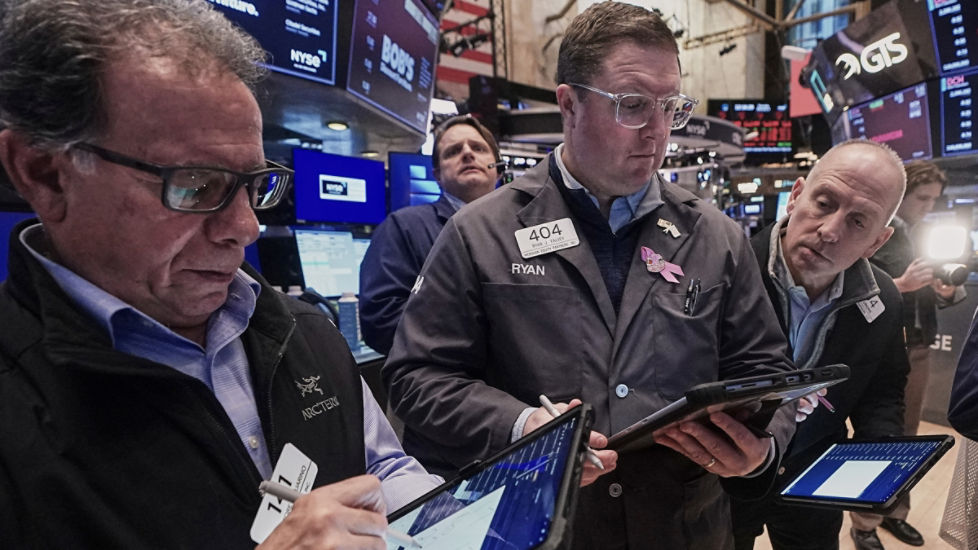
U.S. stocks surged on Thursday in their best day in six weeks, led by technology and semiconductor shares after investors digested the Federal Reserve's first rate hike since 2023. StreetInsider reported that the Nasdaq climbed 1.49%, the S&P 500 jumped 0.89%, and the Dow gained 0.34% as falling oil prices and declining Treasury yields eased market pressure. The 10-year Treasury yield slipped to about 4.95%, while the VIX volatility index fell 11.69%, signaling a shift toward calm.
Semiconductor and tech stocks were the session's strongest performers. Intel surged 8.04% to $109.26, Nvidia gained 2.65%, and Amazon advanced 2.40% streetinsider.com. The rally extended beyond mega-cap names—the Russell 2000 climbed 0.96%, showing that smaller U.S. companies also benefited from the rebound.
Oil Relief Powered the Market Rebound
Falling crude oil prices provided crucial support for Thursday's rally. StreetInsider noted that dropping oil prices helped Wall Street reverse losses from earlier in the week. U.S. Energy Secretary Chris Wright had signaled that Saudi Arabia's East-West pipeline outage would be "brief and temporary," easing energy supply concerns. Saudi Arabia also rerouted additional barrels through Oman, further calming crude markets and lifting sentiment across equities.
Fed Rate Hike Digested Without Major Damage
The Federal Reserve raised interest rates by 25 basis points—its first increase in over three years. Rather than triggering panic, investors reassessed the decision and found reasons to buy. StreetInsider reported that solid labor data and easing Treasury yields helped markets move beyond the rate hike. The benchmark 10-year Treasury yield dropped to around 4.95%, reducing pressure on growth stocks that had suffered earlier from higher borrowing costs.
Earnings Forecasts Paint an Unusually Positive Picture
Wall Street's earnings outlook for the remainder of 2026 remained surprisingly robust. Analysts forecast S&P 500 third-quarter earnings growth of 28.7%—an unusually strong projection. Average per-share earnings estimates have risen 1.4% since June 30, bucking the typical 2.5% decline seen over the prior 20 quarters. This surge in positive earnings revisions gave investors additional confidence to add to technology and semiconductor positions despite the Fed's rate hike.
Technical Resistance May Limit Near-Term Gains
Thursday's rally faced headwinds from the technical picture. The S&P 500 remained below its 20-day moving average of 7,661 and faced immediate resistance near 7,662. While the index held above its 50-day and 200-day moving averages—a positive sign—analysts warned that elevated yields and monetary policy tightening could cap further upside. The mixed technical setup suggested that conviction remains fragile, and sustained gains may require more positive catalysts.
Sentiment
Mostly PositiveNEGATIVENEUTRALPOSITIVE
Publishers
14
Articles
116
Reach
130
A
AnonymousAuthor


