Spain Tightens Rental Rules
Spain tightens short-term rental rules amid growing housing affordability protests across cities
Anonymous
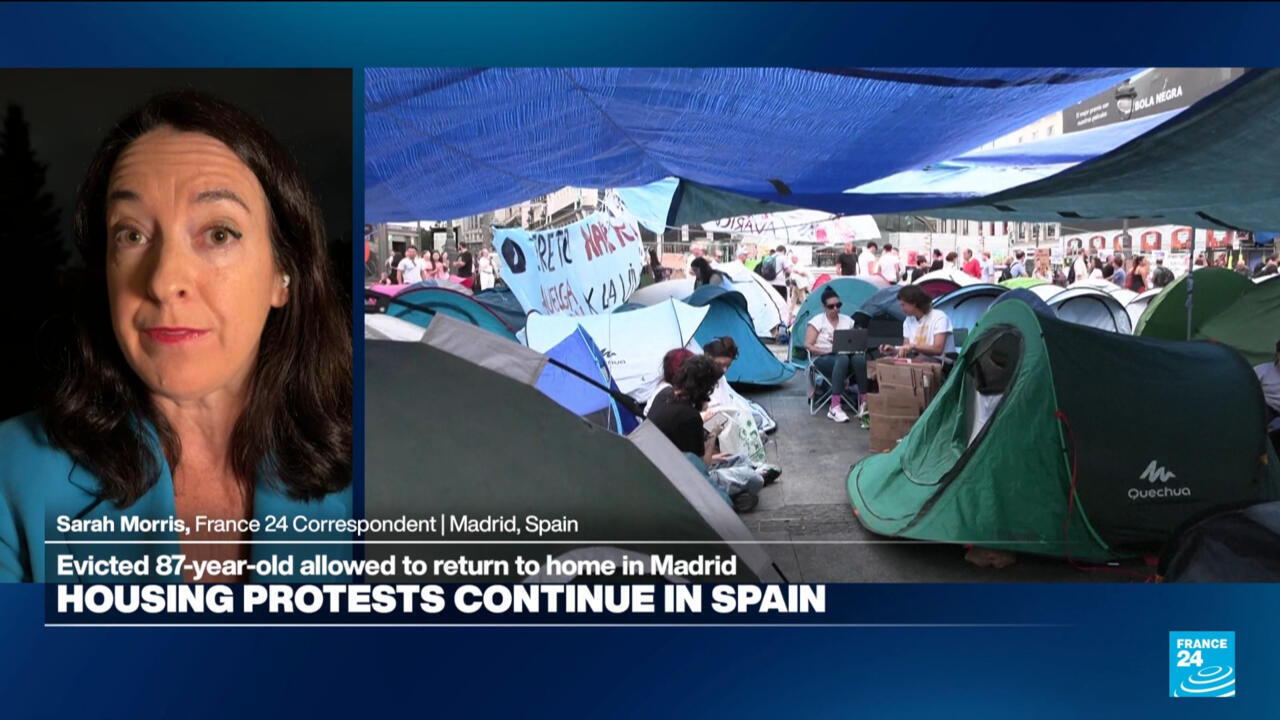
Spain is addressing housing affordability while trying to sustain tourism as limited supply, rising rents and visitor demand put pressure on cities including Madrid, Barcelona, Málaga, Valencia and Palma de Mallorca. The eviction of 87-year-old María del Carmen Abascal from her longtime Madrid home sparked protests and intensified debate over tenant protections and housing costs. Prime Minister Pedro Sánchez is preparing a housing decree and has called for prioritising residential use, but political parties disagree over measures targeting large investment funds and their effects on smaller property owners. Authorities are tightening oversight of short-term tourist rentals through licensing, use limits and registration rather than blanket bans, with EU data-sharing rules expected to support enforcement. The government says 317 municipalities are designated as stressed housing markets and has committed substantial funding to public housing. Scarce accommodation and tighter rental rules may mean higher prices and fewer choices for visitors, while rising housing costs threaten local workers’ ability to live near tourism hotspots.
Key Points
1
The government reports that rents for new contracts in Barcelona have fallen 4.7% since the city was designated a stressed residential area in 2024.
2
Spain’s State Housing Plan for 2026–2030 has been allocated €7 billion, and public housing entity Casa 47 is expected to receive a further €13 billion to help expand public housing.
3
Madrid remained a major hotel destination during the dispute: it was among Spain’s leading destinations for hotel overnight stays in August 2026, with hotel demand growing nationally.
4
The government was seeking approval of its proposed housing decree at the Council of Ministers on Tuesday, while negotiating with parliamentary groups before the measure proceeded through the legislative process.
Sentiment
Mostly NegativeNEGATIVENEUTRALPOSITIVE
Publishers
17
Articles
14
Reach
31
A
AnonymousAuthor


