AI Voice Technology in Africa
MCC introduces an innovative AI voice scribe to empower technology growth across Africa.
Anonymous
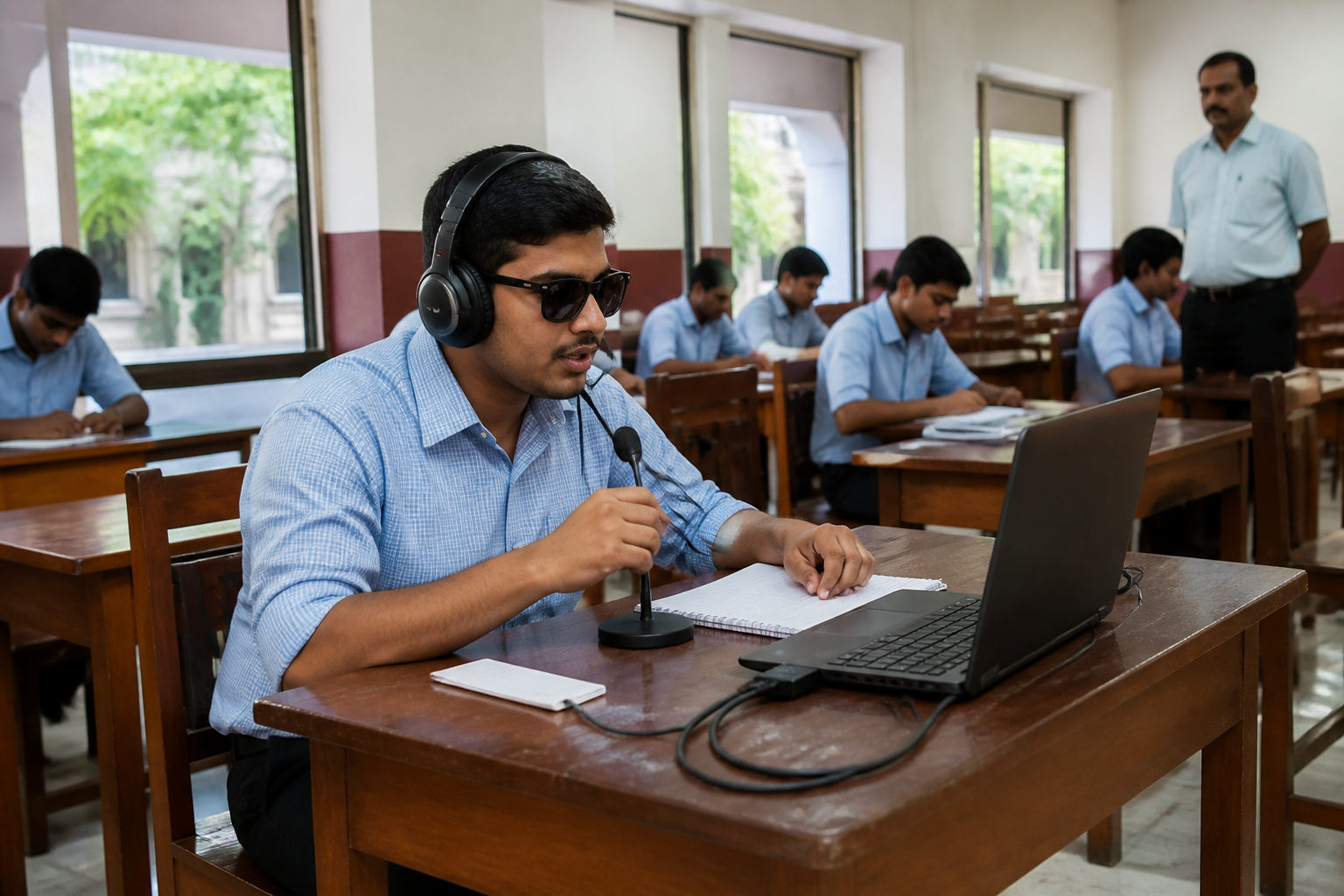
Madras Christian College in Chennai is launching an AI voice scribe designed to help blind students take exams independently. MCC reports that the tool will let visually challenged students dictate their answers without needing manual transcription support. The scribe represents a shift toward accessible technology in Indian higher education.
How the AI Voice Scribe Works
The scribe uses speech recognition to convert spoken words into written text during exams. Dev.to explains that browsers like Chrome and Safari already offer built-in SpeechRecognition APIs that developers can tap into. The MCC tool builds on these web standards to create a seamless dictation experience for students.
Why Sound Matters in Voice Tech
Debates over AI voice quality are heating up. Digg reports that sociologists argue making AI sound too human is a mistake, with potential emotional and psychological consequences for users. The choice of voice—natural or clearly synthetic—shapes how students and other users relate to the technology.
Building Natural Voice Interfaces for Students
Users increasingly expect voice to feel instant and natural. Dev.to notes that the real challenge is delivering human-sounding voice while respecting privacy and maintaining accuracy. For exam settings, this balance is critical—students need clarity without distraction.
The Data Problem Behind Voice Recognition
Converting speech to text requires processing vast amounts of data. Aithority shows that a simple search for one word can generate over 24,000 tokens of information. As AI systems get better at understanding language, the data infrastructure powering them grows more complex—a challenge MCC's scribe will need to handle during high-volume exam periods.
Sentiment
Mostly NegativeNEGATIVENEUTRALPOSITIVE
Publishers
16
Articles
8
Reach
24
A
AnonymousAuthor