Common Cents Act Passed
House Unanimously Passes Bipartisan Legislation to Permanently End Regular Penny Production
Anonymous
Key Points
1
The Common Cents Act follows an earlier penny-production bill led by Rep. Lisa McClain that passed both the House and Senate but did not address how cash transactions would be rounded.
2
Because existing pennies would remain legal tender, they could continue circulating until they naturally leave the monetary system rather than being immediately withdrawn.
3
The legislation is intended to prevent a future administration from reversing the policy and restarting regular penny production once the measure becomes law.
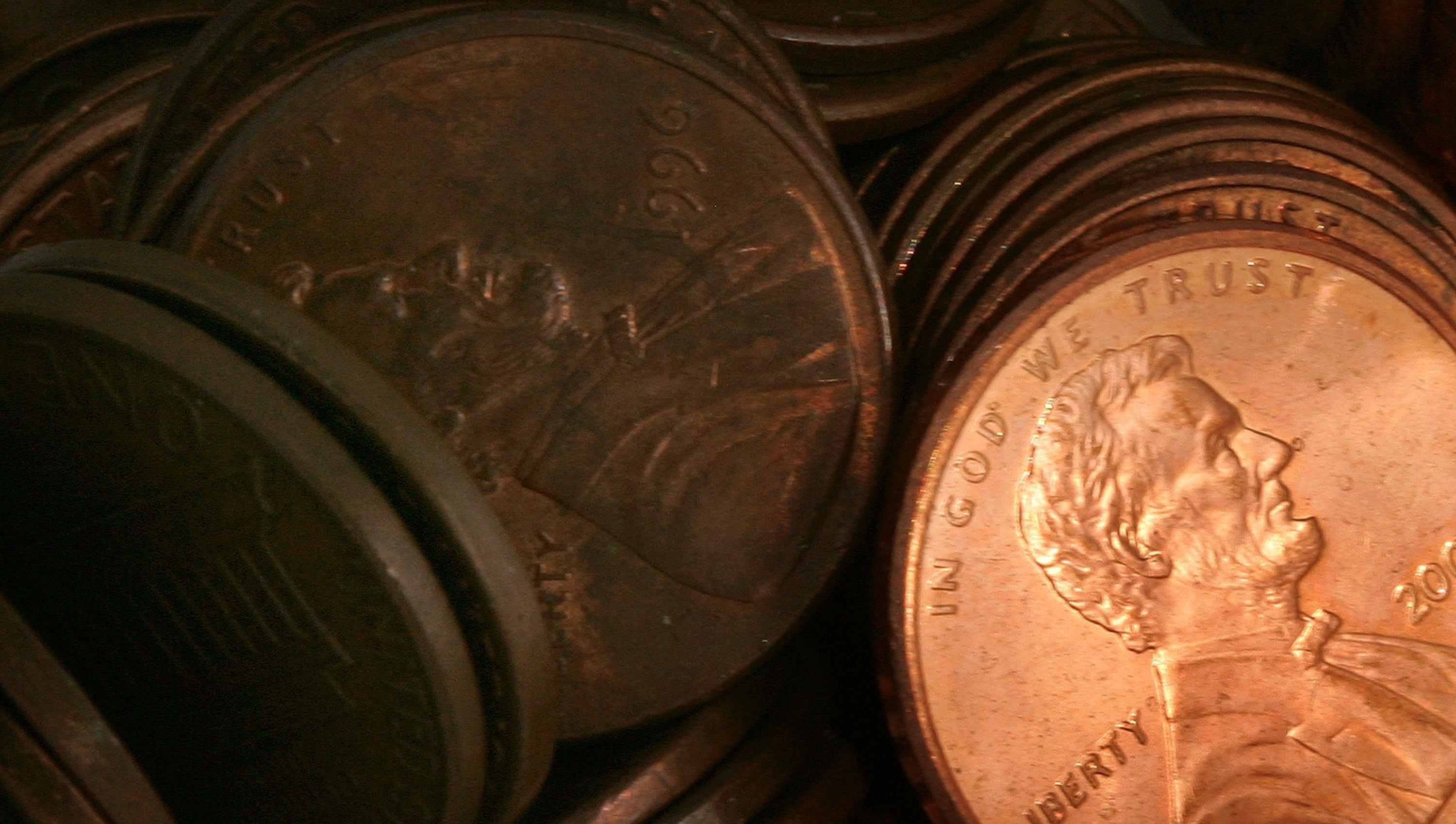
The House unanimously passed the Common Cents Act to permanently end penny production in the United States iHeart. The bipartisan bill allows exceptions for collector coins while letting existing pennies stay legal tender. Cash purchases would round to the nearest nickel, and workers would get rounded-up wages when needed.
The U.S. Mint stopped making pennies in November 2025 after production costs climbed above three times the coin's face value. Treasury estimates the permanent halt would save roughly $56 million per year. President Donald Trump must sign the bill to make the penny phaseout official law.
How Cash Transactions Will Round Without Pennies
Under the new rules, cash purchases round down or up to the nearest nickel. A $2.03 purchase rounds down to $2.00. A $2.04 purchase rounds up to $2.05. This system keeps transactions simple while protecting consumers from losing money.
Wages get special protection. Workers receiving hourly pay always round up when their total earnings end in a penny or two. This prevents employers from benefiting while keeping low-income workers financially whole.
The Penny Problem: Costs Exceed Face Value
For years, the penny has cost the government far more to make than it's worth. By November 2025, production expenses topped three cents per penny. This massive loss drove officials to stop regular minting and consider the coin's permanent retirement.
Most developed nations already ditched low-value coins. Canada eliminated the penny in 2013. Australia stopped producing one-cent pieces decades ago. These countries saw no major economic problems from the change.
Bipartisan Leaders Push for Permanent Legal Change
Rep. Lisa McClain and Rep. Robert Garcia led the Common Cents Act effort iHeart. They designed the bill to make penny elimination permanent, preventing future administrations from restarting production. An earlier McClain-led bill passed both chambers but didn't address rounding rules.
Congress ordered the Treasury to study the policy's impact on low-income and older Americans. The research will track whether rounding harms vulnerable groups. Officials want data before declaring the change a permanent success.
Existing Pennies Stay in Circulation Indefinitely
The government won't recall or destroy pennies already made. They remain legal tender and can circulate as long as people use them. This gradual phase-out lets the penny naturally disappear over decades without economic shock.
Collectors can still obtain commemorative pennies from the Mint. The legislation allows special editions for numismatists. This preserves the penny's role in coin collecting while ending its everyday use in commerce.
Sentiment
Mostly NegativeNEGATIVENEUTRALPOSITIVE
Publishers
14
Articles
138
Reach
152
Topics
A
AnonymousAuthor


