Rapid Brain Tumour Test
NHS Pilots Rapid Two-Hour Genomic Brain Tumour Test During Surgery
Anonymous
Key Points
1
The test identified Nottingham patient Steve Palmer’s tumour as a grade 4 glioblastoma after he collapsed at a gym. Palmer said the quick diagnosis “removed weeks of anxiety.”
2
The test uses a computer to scan all the DNA in a brain-biopsy sample; this contrasts with the usual process of sending samples to a laboratory for microscopic examination, which can take weeks.
3
NHS England said the UK would be the first country in the world to trial the technology.
4
The Sun reported that nearly 13,000 people in Britain are diagnosed with cancerous brain tumours each year, and about 80% die within 10 years.
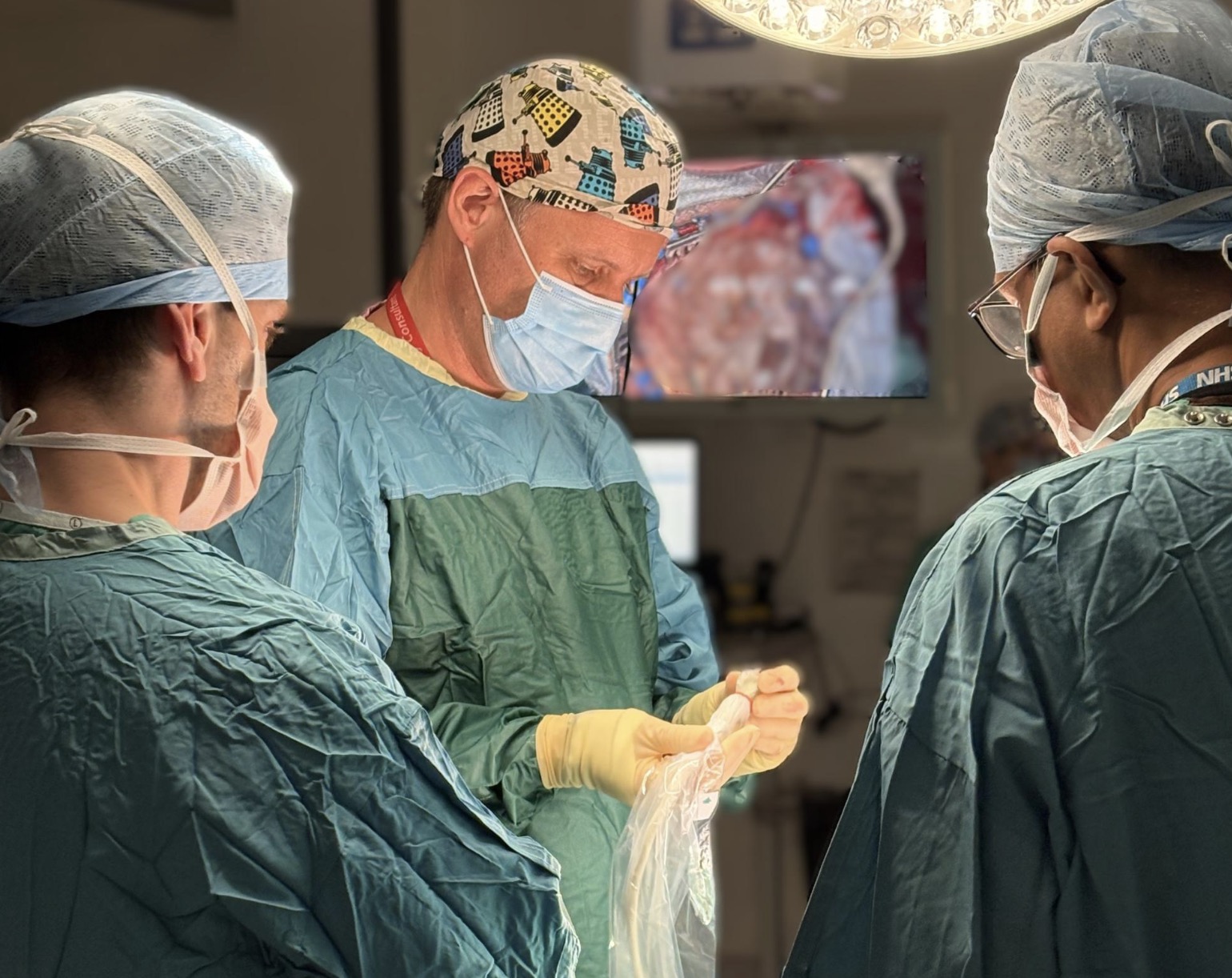
The NHS is piloting a rapid genomic test that diagnoses brain tumors in about two hours during surgery, compared with the usual eight-week wait. The Guardian reports the test analyzes tumor DNA on the operating table, allowing doctors to begin treatment immediately and surgeons to decide how much tissue to remove while the patient is still under anesthesia.
Developed by researchers at the University of Nottingham and Nottingham University Hospitals NHS Trust, the test is already helping patients like Steve Palmer, who learned his tumor was a grade 4 glioblastoma within hours instead of weeks. The Guardian notes the UK is the first country to trial this technology at specialist centers across England.
How the Test Works and Why It Matters
The test scans all the DNA in a brain-biopsy sample using a computer, Open Access Government explains. This genetic analysis replaces the traditional method of sending samples to a lab for microscopic examination, which can take weeks. Results during surgery mean patients get their diagnosis and treatment plan on the same day.
Faster diagnosis helps patients access clinical trials suited to their tumor type. It also reduces anxiety. Steve Palmer, diagnosed at Nottingham University Hospitals, said the quick result "removed weeks of anxiety" after he collapsed at a gym.
A Patient's Journey From Collapse to Diagnosis
Steve Palmer's brain tumor was identified as a grade 4 glioblastoma after he collapsed while exercising. Under the old system, he would have waited eight weeks for a diagnosis. Westford Wire reports that with the new rapid test, Palmer received his results during the same operation.
Grade 4 glioblastomas are aggressive cancers. The speed of diagnosis allowed doctors to begin appropriate treatment immediately and Palmer to know his tumor type without prolonged waiting and uncertainty.
Brain Tumors Affect Thousands Across Britain
Nearly 13,000 people in Britain are diagnosed with cancerous brain tumors each year. About 80% of patients die within 10 years, making faster diagnosis and targeted treatment critical for survival and quality of life.
EMJ Reviews notes the technology could transform outcomes for thousands of patients by cutting diagnosis time from weeks to hours. The pilot at specialist centers in England is the first step toward wider rollout across the NHS.
Sentiment
Mostly PositiveNEGATIVENEUTRALPOSITIVE
Publishers
29
Articles
39
Reach
68
A
AnonymousAuthor


