Epstein Estate Probe
Federal Prosecutors Probe Jeffrey Epstein's Longtime Lawyer and Estate Accountant
Anonymous
Key Points
1
Court and congressional records reportedly show that Indyke and Kahn had signatory authority or powers of attorney over Epstein-linked accounts at JPMorgan Chase and Deutsche Bank, after Senate Finance Committee investigators examined their roles as financial intermediaries.
2
Documents cited by The Wall Street Journal indicate that Indyke could receive as much as $50 million for administering the estate, while Kahn could receive about $25 million.
3
At a March House Oversight Committee deposition, Indyke said he had “no knowledge whatsoever” of Epstein’s crimes and categorically denied facilitating the trafficking of women and girls; Kahn said he continued working for Epstein after the 2008 guilty plea because he believed Epstein’s assurance that “this would never happen again.”
4
The inquiry is notable because Indyke and Kahn were not questioned about their work for Epstein during the earlier Manhattan federal investigations that led to sex-trafficking charges against Epstein and later Ghislaine Maxwell.
5
According to prior reporting cited by the New York Post, Indyke and Kahn were officers of Epstein-linked entities that allegedly obscured transactions, arranged cash for Epstein and made payments to women—characterizations the two men have denied amounted to wrongdoing.
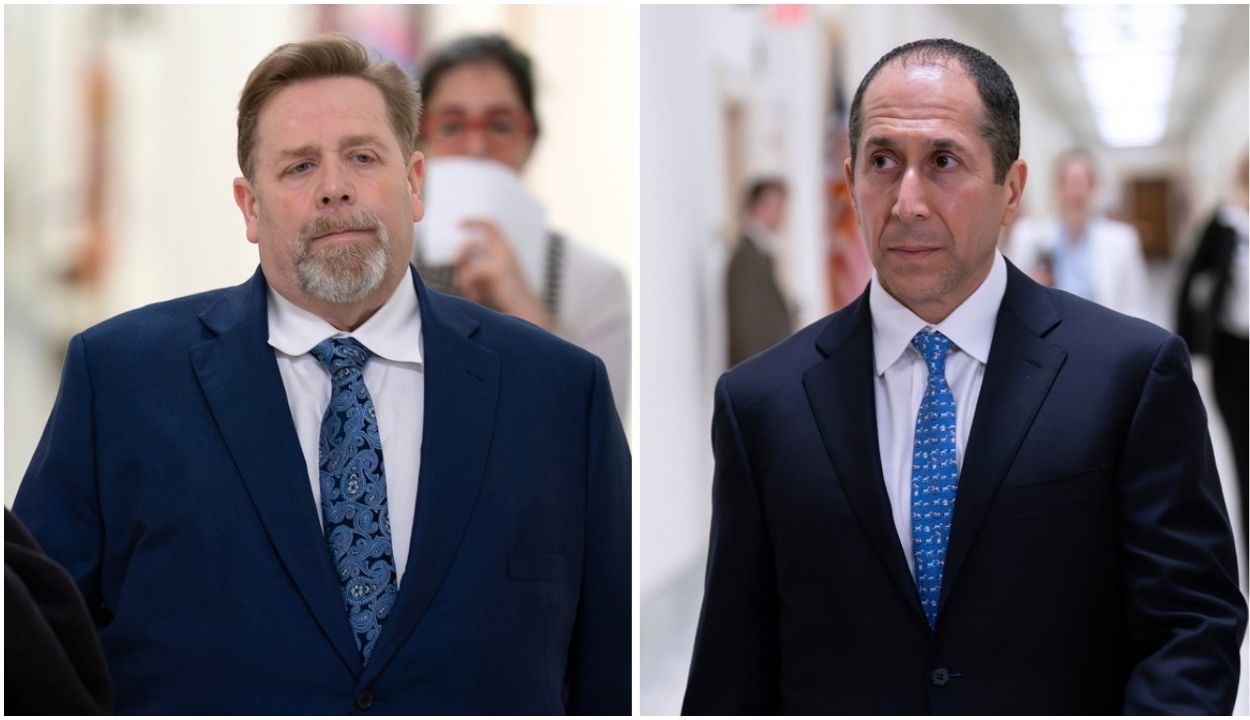
Federal prosecutors in Manhattan are investigating Jeffrey Epstein's longtime lawyer Darren Indyke and accountant Richard Kahn over their roles managing his finances and entities, CNN reported. Investigators have demanded emails, financial records, and witness interviews about bank accounts, transactions, and payments linked to Epstein's sex-trafficking operation, though the specific crimes under investigation remain unclear.
Both men have denied knowing about Epstein's crimes or helping him traffic women. The pair now oversee an estate that has paid more than $120 million to abuse survivors and could pocket tens of millions of dollars for their work administering it — a financial incentive that adds complexity to the ongoing probe.
The Two Men at the Center of the Probe
Darren Indyke served as Epstein's lawyer for decades. Richard Kahn worked as his accountant and now co-executes his estate. CNN reported that investigators have sought their emails and contacted potential witnesses about their financial activities. Court records reportedly show both men had signing authority over Epstein accounts at JPMorgan Chase and Deutsche Bank.
The pair denied wrongdoing at a March House Oversight Committee deposition. Indyke said he had "no knowledge whatsoever" of Epstein's crimes. Kahn explained he kept working for Epstein after the 2008 guilty plea because Epstein assured him it "would never happen again." Neither man was questioned about Epstein during earlier federal investigations that led to his 2019 arrest.
Financial Stakes Push Probe Into New Territory
Documents cited by The Wall Street Journal show Indyke could receive up to $50 million for administering the estate, while Kahn could receive about $25 million. This marks the first time federal prosecutors have scrutinized their work for Epstein — a notable gap since they were not questioned during earlier Manhattan investigations that charged Epstein and Ghislaine Maxwell.
Prior reporting indicated Indyke and Kahn were officers of entities that allegedly obscured transactions and arranged cash for Epstein. Both men have denied these activities amounted to wrongdoing or that they knowingly facilitated any crimes. The investigation now tests whether prosecutors can establish they played a more active role in supporting his trafficking operation.
What Investigators Are Looking For
Prosecutors have requested extensive financial documentation from both men. They want emails, account records, and information about payments to women — suggesting investigators are trying to determine whether Indyke and Kahn actively participated in moving money to Epstein's victims or enablers. Witness interviews signal prosecutors are building a broader picture of financial flows.
The specific criminal charges prosecutors might pursue remain unknown. But the investigation signals that federal authorities view the estate administrators as potential witnesses — and possibly accomplices — in Epstein's scheme. It also represents a shift in focus to the financial infrastructure that enabled his decades-long abuse.
Sentiment
Mostly NegativeNEGATIVENEUTRALPOSITIVE
Publishers
14
Articles
25
Reach
39
Topics
A
AnonymousAuthor


