Gas Prices Rising
Iran War and Summer Demand Drive Up Gas Prices, Leaving Drivers Wondering About Relief
Anonymous
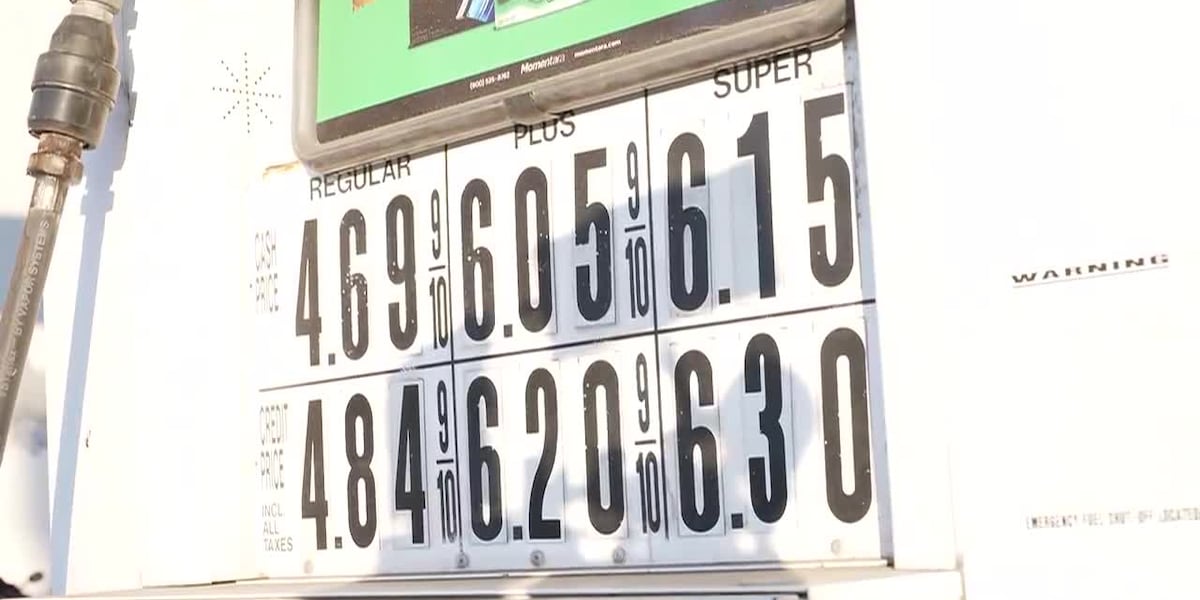
Gas prices are climbing again across the United States, pushed higher by two forces hitting at once: the ongoing war with Iran and peak summer driving demand. WHIO reports that the conflict has significantly slowed global oil production, squeezing supplies just as Americans hit the road in large numbers.
Drivers are feeling the pinch at the pump, and experts say relief may not come quickly. The combination of a major war in a key oil-producing region and seasonal demand is a difficult problem to solve fast.
How the Iran War Is Disrupting Global Oil Supply
Iran is one of the world's major oil producers. The war has sharply cut how much oil the country can pump and ship. WHIO reports the conflict has "significantly slowed global oil production," reducing the global supply of crude oil at a time when demand is already high.
When oil supply drops and demand stays high, prices rise. That is exactly what is happening now. Less oil moving through global markets means refineries pay more for crude. Those higher costs get passed directly to drivers at the gas pump.
Summer Demand Adding More Pressure to Already Tight Supply
Every summer, Americans drive more. Vacations, road trips, and warm weather push fuel demand to its highest levels of the year. That seasonal spike in demand was already expected to push prices up. The war in Iran arrived on top of that, making things worse.
Fox 10 and WBAY both note that the twin pressures — war and summer demand — are working together to send oil and gas prices surging. The timing could not be worse for drivers already dealing with a high cost of living.
When Could Drivers Finally See Relief at the Pump?
Relief depends on two things: the war ending or easing, and summer demand cooling off. Neither looks likely in the short term. The conflict with Iran is ongoing, with no clear end in sight. Summer driving season typically runs through August, keeping demand elevated for weeks.
WSMV and WLBT report that drivers are asking when prices will come down, but the answer remains unclear. Until global oil production recovers and demand softens, analysts expect prices to stay elevated. The fall season, when driving drops off, may offer the first real chance for relief.
What This Means for American Drivers Right Now
For now, drivers should expect to pay more every time they fill up. The national average price per gallon tends to track crude oil prices closely. When crude oil gets more expensive, gas prices follow within days. The current surge in oil costs will keep showing up at gas stations across the country.
KOLD notes that the situation remains fluid as the war continues. Experts suggest drivers consider consolidating trips, carpooling, or using fuel-efficient routes where possible to limit the financial hit. Until conditions change overseas, the pump price pain is likely here to stay.
Sentiment
NeutralNEGATIVENEUTRALPOSITIVE
Publishers
6
Articles
5
Reach
6
A
AnonymousAuthor


