EasyJet Emergency Landing
EasyJet Flight From Manchester Returns Safely Following Mid-Air Emergency Over North Sea
Anonymous
Key Points
1
easyJet said hotel availability was very limited, so passengers were advised that they could book their own accommodation and seek reimbursement.
2
The flight departed about 75–76 minutes late; the delay was linked to the inbound aircraft from Amsterdam arriving at Manchester only six minutes before the scheduled departure.
3
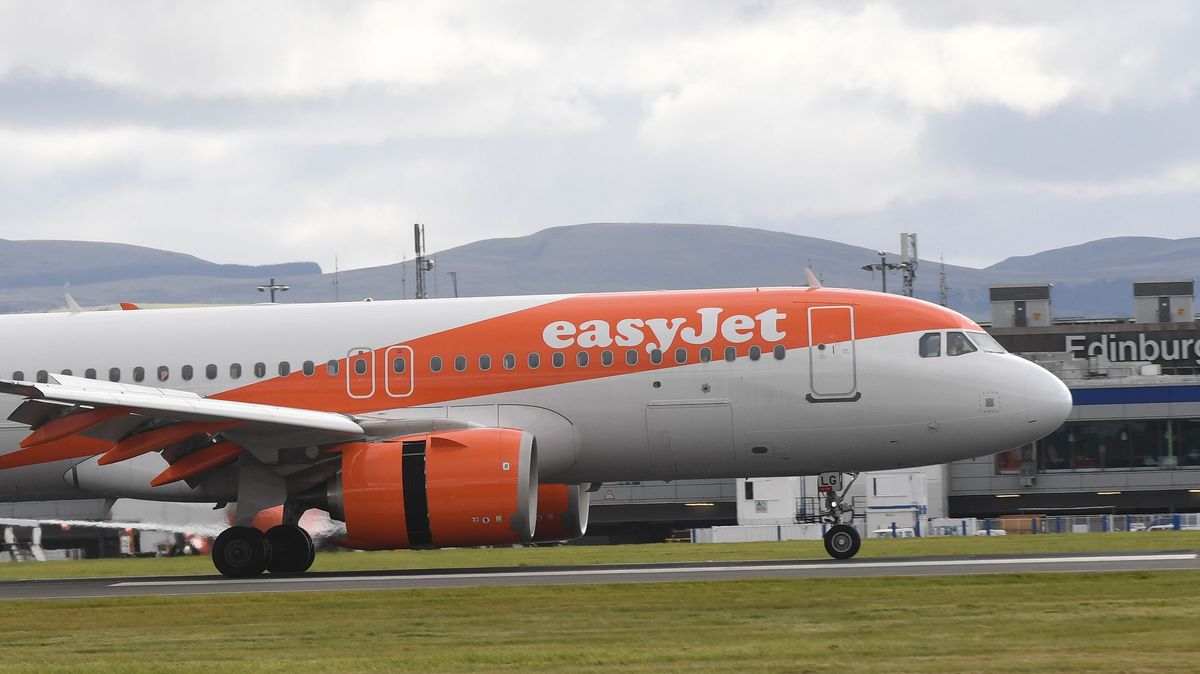
The aircraft involved was registered G-EZRX, an Airbus A320-214 with manufacturer serial number 8321.
An easyJet flight turned back to Manchester Airport on Wednesday evening after declaring a mid-air emergency over the North Sea. Stokes Sentinel reported the Airbus A320 squawked 7700, the emergency transponder code, about 30 minutes into its journey to Hamburg. The aircraft landed safely and was met by emergency services as a precaution, with no injuries reported.
easyJet attributed the return to a technical issue but did not disclose the specific problem. Express noted the flight had departed 75 minutes late from Manchester. Hamburg Airport's nighttime curfew meant passengers faced an overnight delay, with the airline advising them to book their own hotels due to limited availability and seek reimbursement later.
Emergency Declared Over the North Sea
Flight EZY32GY left Manchester at 7:15 p.m. bound for Hamburg. Stokes Sentinel reported the crew declared an emergency roughly 30 minutes into the flight while over the North Sea, triggering the standard 7700 squawk code that alerts air traffic control to an urgent situation. The aircraft immediately turned around and headed back to Manchester.
Early reports suggested fumes on board may have triggered the emergency declaration. However, easyJet later clarified the issue was purely technical. The airline did not reveal the exact nature of the problem, leaving the precise cause of the incident undisclosed. Passengers disembarked normally after landing, and no medical assistance was needed.
Passengers Face Overnight Stranding at Manchester
The return to Manchester created a scheduling problem. Hamburg Airport operates under a nighttime curfew, meaning the aircraft could not land there late at night. easyJet had no choice but to delay the flight overnight and reschedule the departure for the following day.
Hotel capacity near Manchester Airport was very limited that night. Rather than guarantee accommodation, easyJet advised passengers they could book their own hotels and later seek reimbursement from the airline. This approach shifted the burden of finding lodging onto stranded travelers during a busy evening.
Why the Flight Left Late in the First Place
The Airbus A320-214 registered as G-EZRX was already running behind schedule before the emergency. Express reported the aircraft arrived from Amsterdam only six minutes before the scheduled 7:15 p.m. departure, forcing a rapid turnaround with minimal buffer time. This tight connection contributed to an initial 75-minute delay.
Sentiment
Mostly NegativeNEGATIVENEUTRALPOSITIVE
Publishers
15
Articles
20
Reach
35
Topics
A
AnonymousAuthor


