Virginia's Voting Rights Battle
Virginia Governor Spanberger Restores Voting Rights for 66,085, Reversing Youngkin Policy
Anonymous
Key Points
1
Historical context shows a broader restoration track before Spanberger: former Gov. Bob McDonnell began expanding restorations, a policy later accelerated by Democratic governors Terry McAuliffe and Ralph Northam, with McAuliffe restoring rights to more than 173,000 people and Northam to more than 126,000.
2
Early voting begins September 18, and NAACP Virginia State Conference is urging voters to vote YES on the November 3 constitutional amendment to make automatic restoration permanent.
3
Virginia’s constitution permanently disenfranchises felons unless the governor restores their rights; the amendment would end this permanent disenfranchisement, aligning with a broader push to eliminate a Jim Crow-era policy.
4
Spanberger’s restoration effort is framed in opposition to Youngkin’s approach, which reversed the prior streamlined restoration by moving to case-by-case reviews; the administration portrays this shift as a return to a more inclusive system.
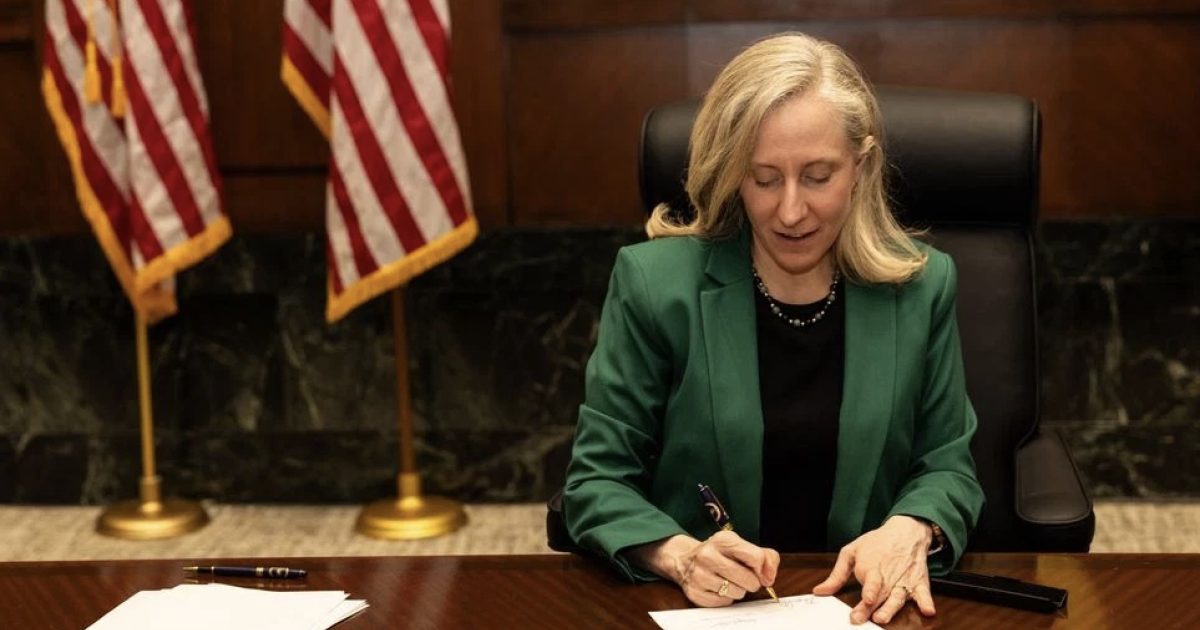
Virginia Governor Abigail Spanberger has restored voting rights to 66,085 Virginians with past felony convictions since taking office in January, according to 13 News Now. The restorations give those individuals the right to vote, serve on juries, run for public office, and work as notaries.
Spanberger called Virginia's permanent felony disenfranchisement "a shameful relic of our Jim Crow past." She is now pushing voters to pass a November constitutional amendment that would make automatic restoration permanent, AllSides reported.
How Spanberger Reversed Youngkin's Case-by-Case Approach
Under former Republican Governor Glenn Youngkin, Virginia moved away from streamlined restorations. His administration reviewed applications individually, slowing the process significantly. Spanberger reversed that approach when she took office, returning to the faster system used by prior Democratic governors, Heartlander News reported.
The contrast is stark. Democratic Governor Terry McAuliffe restored rights to more than 173,000 people during his term. Governor Ralph Northam restored rights to more than 126,000. Youngkin's individual-review method sharply cut that pace, according to AllSides.
NAACP Calls This a Step Toward Ending Jim Crow Disenfranchisement
The NAACP Virginia State Conference praised Spanberger's action. The group called the restorations "a historic step forward" for the Commonwealth, according to Daily Kos. Virginia's constitution permanently strips felons of their rights unless a sitting governor acts to restore them.
That constitutional rule dates back to the Jim Crow era. It was designed to keep Black Virginians from voting. The NAACP is now urging all voters to approve a November 3 amendment that would end that policy for good and remove the governor from the process entirely.
November Amendment Would Make Automatic Restoration Permanent
Early voting opens September 18. The NAACP wants Virginians to vote YES on the constitutional amendment on November 3, Daily Kos reported. If passed, people would automatically get their rights back after finishing their sentences — no governor's signature required.
Currently, every restoration depends on who is in office. A new governor could slow or stop the process again, as Youngkin did. The amendment would lock automatic restoration into the state constitution, making it harder to reverse.
Critics Frame Restorations as Political Move Before 2026 Midterms
Not everyone welcomed the news. The Gateway Pundit framed the move as a political strategy, arguing that Spanberger gave Democrats "66,085 new voters" ahead of the 2026 midterms. Republicans have raised concerns about expanding the voter rolls with people who have felony records.
Spanberger's team disputes that framing. The administration says the restorations are about civic participation, not party politics. Virginia Republicans, meanwhile, AllSides noted, are separately working to expand their own voter outreach ahead of the midterms.
Sentiment
Mostly NegativeNEGATIVENEUTRALPOSITIVE
Publishers
15
Articles
14
Reach
29
A
AnonymousAuthor


