Strait of Hormuz Conflict
Iran claims strike on US vessel in Strait of Hormuz as fighting escalates
Anonymous
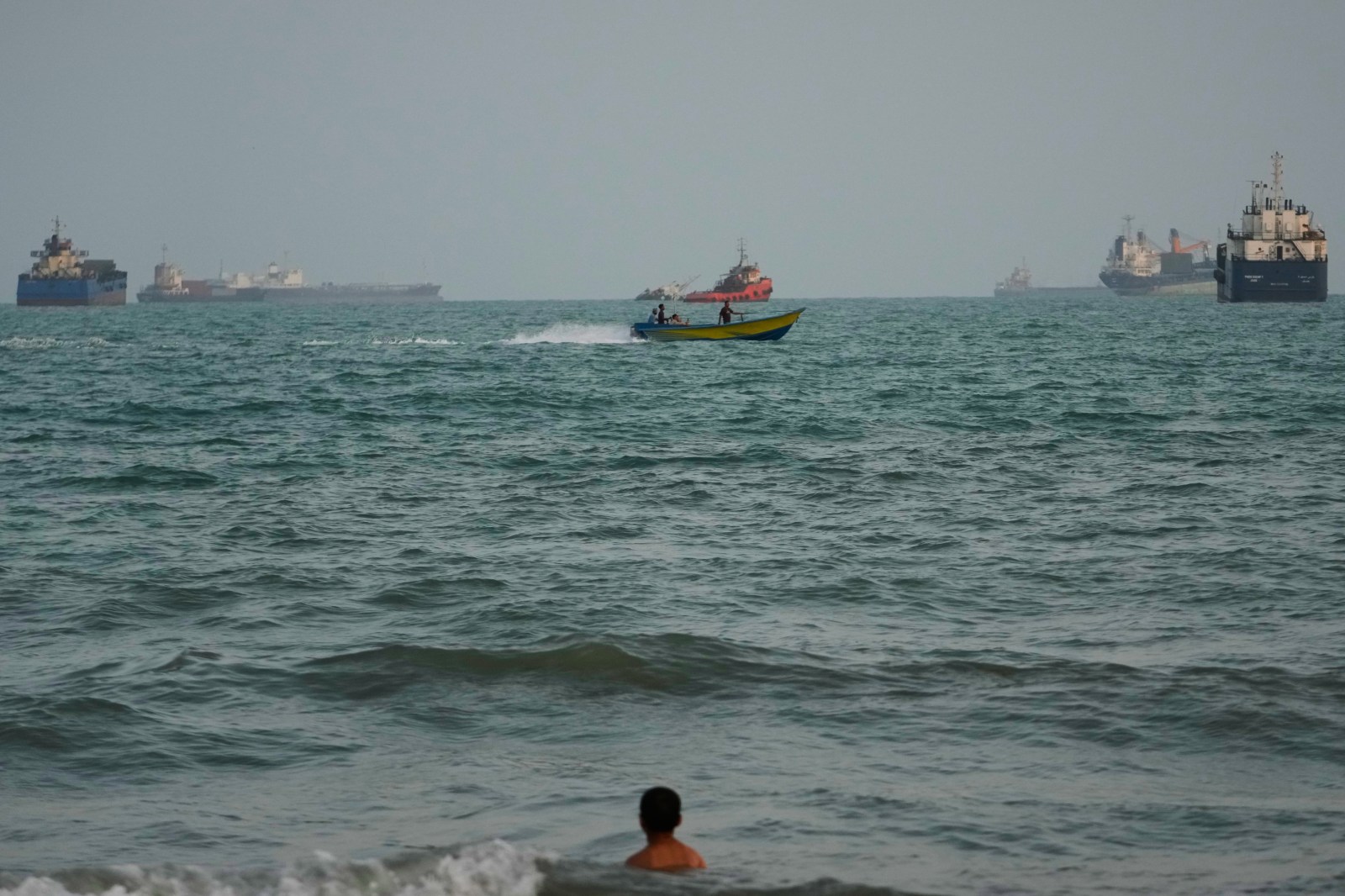
Iran claims it attacked an unmanned U.S. vessel in the Strait of Hormuz, marking the latest escalation in renewed fighting between the two countries. AP News reports the U.N. has not confirmed the alleged strike. The incident comes as Britain's military said it hit three Iranian oil tankers in response to missile attacks on Navy warships.
The conflict reignited after a ceasefire agreement in June broke down. The Trump administration is now using two strategies: military strikes to protect the strait and financial pressure on Iran by targeting foreign institutions that handle Tehran's money. Iran's hard-line leaders show no signs of backing down after decades of sanctions.
Iran's Unconfirmed Strike on U.S. Drone
AP News reports that Iran claimed it struck an unmanned U.S. vessel attempting to enter the Strait of Hormuz. This assertion remains unverified. The Strait of Hormuz is one of the world's most critical shipping lanes, moving about one-third of all seaborne oil globally.
Unconfirmed attacks raise tensions but also create uncertainty. Neither side has provided clear evidence of damage or casualties. The claim fits a pattern of escalating rhetoric and alleged strikes in the strategic waterway over recent weeks.
British Retaliation Against Iranian Oil Tankers
The U.K. military responded by striking three Iranian oil tankers. AP News states this action came after missile attacks targeted Navy warships. Britain's strikes represent a direct counter to Iranian aggression in the busy shipping corridor.
The tit-for-tat escalation shows how quickly tensions can spiral in the Strait of Hormuz. Each attack prompts retaliation, pulling more international players into the conflict. Oil shipments through the region remain at risk if strikes continue.
A Ceasefire That Never Really Stuck
Fighting officially ended in June when both sides agreed to a ceasefire. Yet violence has continued steadily since then. The Trump administration adopted a dual approach: military responses to attacks on shipping plus financial sanctions on Iranian institutions handling Tehran's money.
Iran's senior hard-line leaders appear determined to resist. After surviving decades of economic sanctions, Tehran shows little willingness to back down. Each new strike hardens positions on both sides, making a lasting peace increasingly difficult.
Why the Strait of Hormuz Matters to Global Oil
The Strait of Hormuz is the world's most important oil chokepoint. About one-third of all seaborne oil shipments pass through this narrow waterway between Iran and Oman. Any disruption threatens global energy supplies and prices worldwide.
Attacks on ships or drones raise insurance costs for vessels and slow shipping. Major oil traders now plot alternate routes or hold extra reserves. A sustained conflict could push oil prices sharply higher and hurt economies worldwide.
Sentiment
NeutralNEGATIVENEUTRALPOSITIVE
Publishers
20
Articles
20
Reach
20
A
AnonymousAuthor


