Lukoil Asset Sale Talks
U.S. and Russia Discuss $20 Billion Lukoil Asset Sale Amid Ukraine Talks
Anonymous
Key Points
1
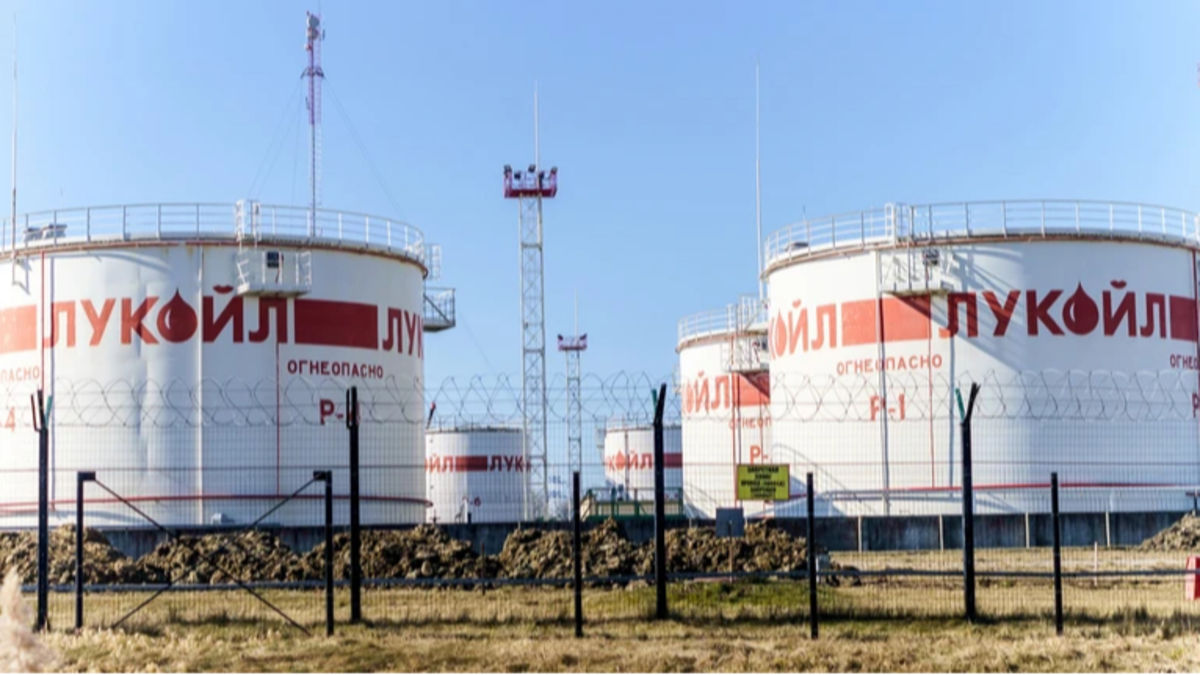
Lukoil’s portfolio reportedly includes oil concessions in Cameroon and Iraq, refineries in Bulgaria and Romania, and fuel stations in the United States, including New Jersey.
2
The United States imposed sanctions on Lukoil and other major Russian energy companies on October 22, 2025, explicitly tying the measures to pressure on Moscow over the war in Ukraine.
3
Before the Carlyle agreement, Lukoil received an offer from oil trader Gunvor, but that proposed sale fell through after the U.S. Treasury Department declined to issue a license.
4
The worsening diesel and jet-fuel market amid the conflict in the Middle East was cited as a possible factor pushing the Trump administration toward a deal.
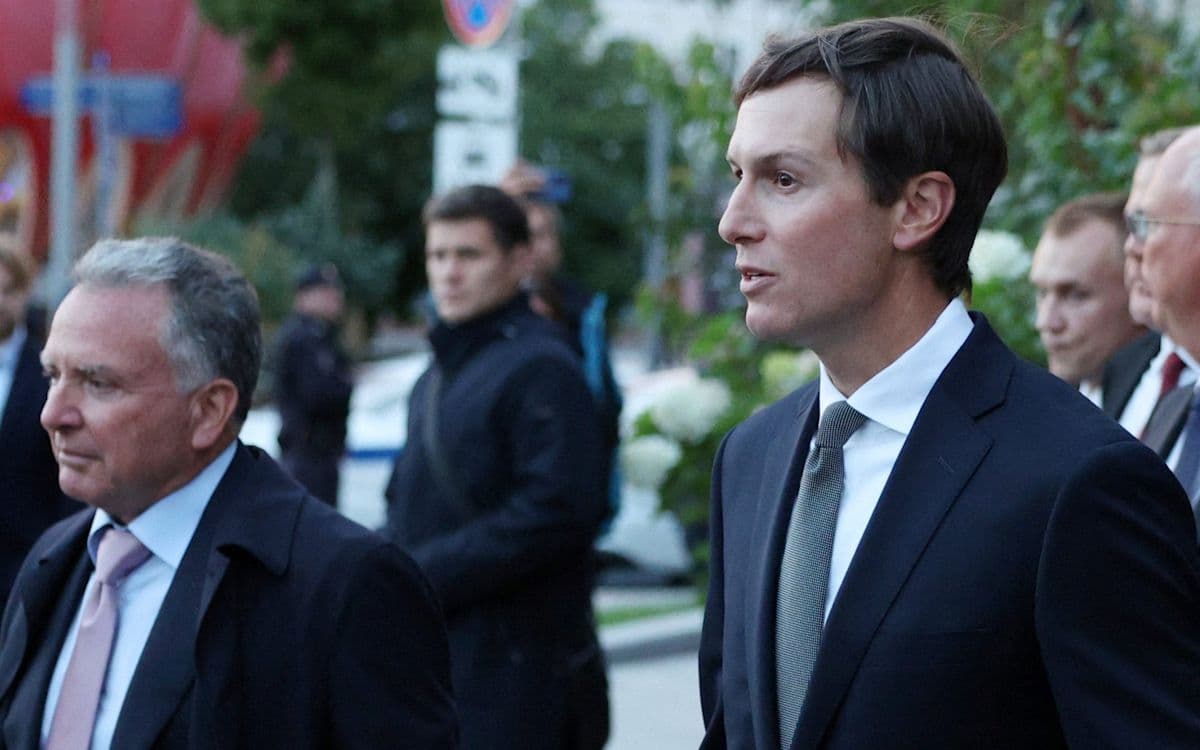
Negotiations between the Trump administration and Russia over ending the Ukraine war now include a reported $20 billion sale of Lukoil's international oil fields, refineries, and fuel stations, Yahoo News reported. Russian President Vladimir Putin raised the proposal on September 5 during a meeting with U.S. envoys Steve Witkoff and Jared Kushner, framing it as a way to restart commercial ties between the countries. The prospective buyer group includes investor Todd Boehly and Middle Eastern investors with connections to the envoys, though reports indicate the envoys would not personally profit from the deal.
The sale requires approval from both the U.S. and Russian governments and remains unofficial. Philenews noted that Western sanctions on Russia's energy sector are driving the asset sale. Separately, Lukoil reached a nonexclusive agreement with investment firm Carlyle to sell its international assets, pending approvals.
What Assets Are at the Center of the Deal
Lukoil's portfolio includes oil concessions in Cameroon and Iraq, refineries in Bulgaria and Romania, and fuel stations across the United States, including New Jersey, according to Vijesti. The company's international asset base makes it a valuable strategic prize. These operations have become leverage points in broader U.S.-Russia negotiations.
Sanctions Pressure and Failed Earlier Deals
The U.S. imposed sanctions on Lukoil and other major Russian energy companies on October 22, 2025, explicitly targeting them over the Ukraine war, Philenews reported. Before the current Carlyle agreement, Lukoil received an offer from oil trader Gunvor, but that sale fell through after the U.S. Treasury Department declined to issue a required license. The failed Gunvor deal illustrates how U.S. regulatory approval gates foreign investment in sanctioned Russian assets.
Energy Market Pressures Behind the Proposal
The Middle East conflict has worsened diesel and jet-fuel markets globally, and this tightness may have pushed the Trump administration toward a deal, Yahoo News reported. Reopening Russian energy exports through Lukoil's assets could ease supply shortages. The proposal mirrors how energy interests often intersect with geopolitical negotiations during conflicts.
Why Putin Pitched a Commercial Solution
Putin presented the Lukoil sale as proof that commercial ties between the U.S. and Russia could resume, according to Ukrmedia. By framing the deal as mutually beneficial rather than coercive, Russia signaled openness to normalizing economic relationships if Ukraine negotiations succeed. The proposal attempts to show Moscow's willingness to accommodate U.S. business interests in exchange for diplomatic movement.
Sentiment
Mostly PositiveNEGATIVENEUTRALPOSITIVE
Publishers
17
Articles
9
Reach
26
A
AnonymousAuthor