Remembering 9/11 Victims
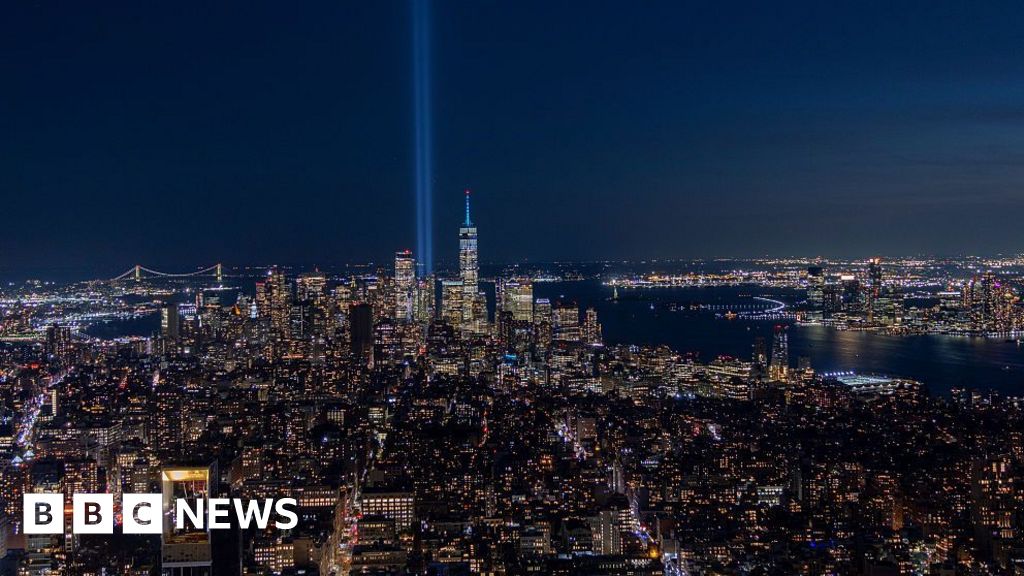
Nation honors victims and heroes on the 25th anniversary of 9/11.
Anonymous
Key Points
1
Former SEC employee Jonathan Green recalled seeing a “smoking hole” in the first World Trade Center tower on television while waiting for coffee, then struggling to reach his family because phone communications were nearly impossible.
2
A Connecticut parent described taking her children to Todd’s Point, where she could see smoke rising from Ground Zero across Long Island Sound, before seeking quiet at her church.
3
At Washington Reagan National Airport, manager Susan Lukas heard American Airlines Flight 77 hit the Pentagon at 9:37 a.m.; she then directed the airport’s rapid closure, relying on her Navy training and the principle: “Stay calm, work the problem, and don’t induce errors by working in haste.”
4
The anniversary coverage noted that a bill named for Pentagon survivor Susan Lukas could provide assistance to others suffering from 9/11-related toxic exposure, while recently released New York City air-quality records may add context to those long-term health effects.
5
Muslim Americans told USA TODAY that Islamophobia remains a concern 25 years after the attacks, including fears that renewed backlash could threaten their First Amendment right to religious freedom.
The 25th anniversary of the September 11 attacks brought Americans together to honor 2,977 victims and the first responders who rushed into danger. News and Sentinel reported that survivors and witnesses across the country shared personal stories of confusion, fear, and courage on a day that reshaped the nation forever.
A quarter-century later, the attacks' impact remains urgent. MyRGV noted that survivors still live with trauma, while first responders battle serious health problems from toxic exposure at disaster sites. Muslim Americans reported renewed concerns about religious freedom and discrimination linked to how the attacks have been remembered.USA Today
Firsthand Terror Unfolds Across Three Cities
Jonathan Green, a former SEC employee at 7 World Trade Center, was waiting for coffee when he saw a News and Sentinel report of the first tower hit. He watched smoke pour from the building on television. Then phone lines jammed — nearly impossible to reach his family. The chaos and separation lasted hours.
A Connecticut parent described taking her children to Todd's Point across Long Island Sound. From there, she could see smoke rising from Ground Zero. The family later found refuge in their church, seeking peace after witnessing devastation from miles away. MyRGV reported that Mansur Plumber, a survivor, was standing just one block from the World Trade Center when it fell.
Pentagon Hit as Aviation System Grinds to Halt
At Reagan National Airport in Washington, manager Susan Lukas heard a deafening sound at 9:37 a.m. American Airlines Flight 77 had struck the Pentagon. Drawing on her Navy training, she made a critical decision: shut down the entire airport immediately. Her approach was simple: "Stay calm, work the problem, and don't induce errors by working in haste."
Lukas directed rapid airport closure and coordinated with federal authorities to ground all U.S. airspace. Her swift action helped contain the national crisis. Today, a bill named in her honor may help other 9/11 survivors and first responders facing long-term health effects from toxic exposure at disaster sites.
Long-Term Health Crisis Continues for Survivors
Twenty-five years after the attacks, thousands of survivors and first responders still suffer. Respiratory illnesses, cancers, and other serious health problems persist. Recently released New York City air-quality records may shed new light on the toxic exposure that rescue workers faced during recovery operations at Ground Zero.
A bill named for Reagan National Airport manager Susan Lukas could provide much-needed assistance to those battling 9/11-related illnesses. The legislation recognizes that the disaster's harm did not end on September 11, 2001 — it continues to affect thousands today. Families and workers deserve ongoing medical support and accountability.
New Generation Learns 9/11 as History, Not Memory
Bellingham Herald reported that teachers now face a generational challenge: teaching 9/11 to students born after the attacks. History teacher Nettles, now 27 years old, teaches a day her youngest students only know from stories. The classroom experience has shifted from shared national trauma to historical education.
This generational divide shapes how America processes the attacks. Young people encounter 9/11 as a defining historical moment rather than lived experience. Meanwhile, Muslim Americans continue reporting concerns about Islamophobia and religious freedom — legacies of how the attacks have been remembered and framed in national discourse over 25 years.
Sentiment
Mostly NegativeNEGATIVENEUTRALPOSITIVE
Publishers
44
Articles
48
Reach
92
A
AnonymousAuthor


