Endometriosis AI Diagnosis
New AI Technology and Advanced Surgical Methods Aim to Improve Endometriosis Treatment
Anonymous
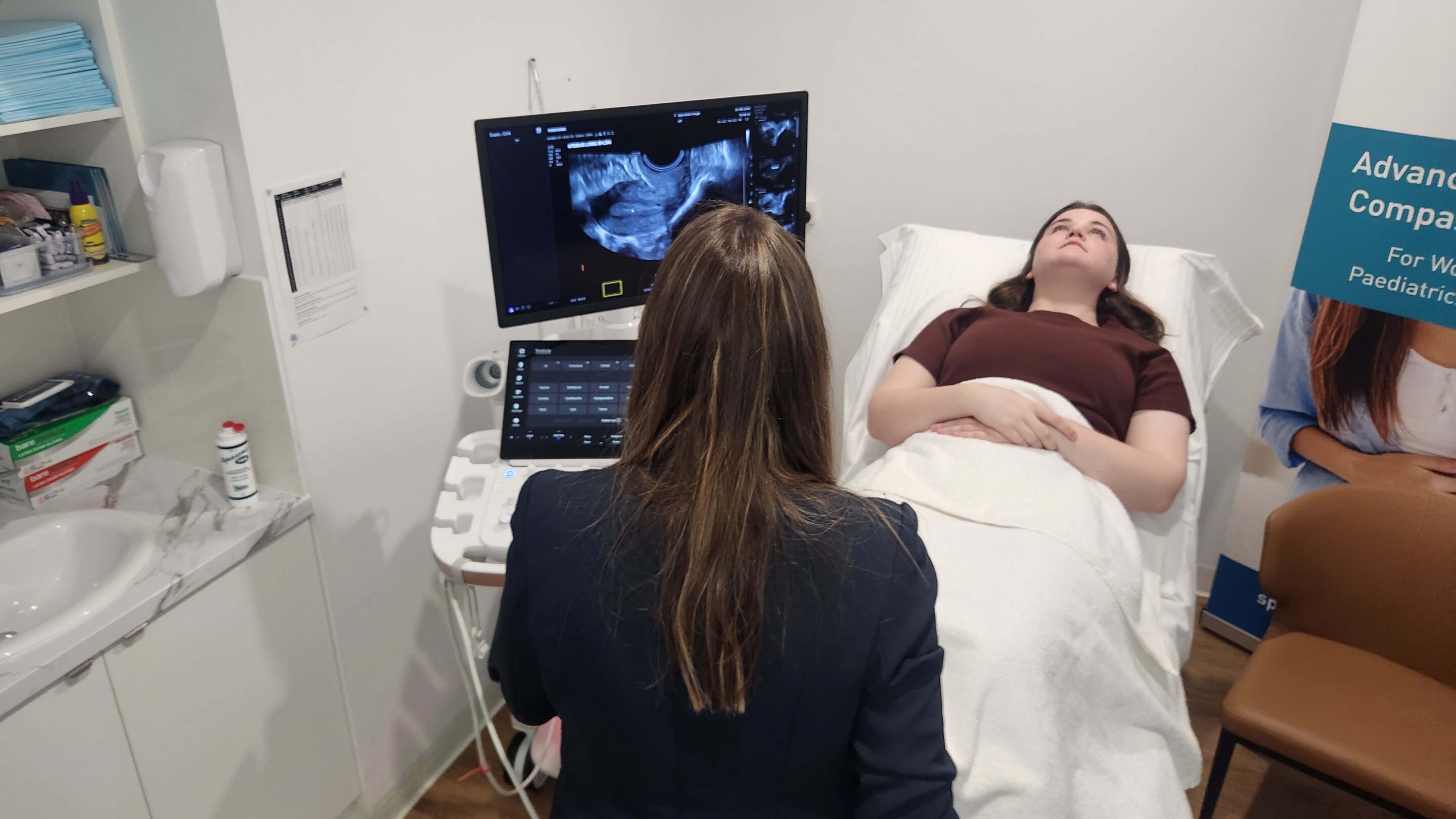
New research and clinical developments are aimed at reducing the long delays and improving treatment for endometriosis, a condition associated with severe pain, infertility and other symptoms. Adelaide University researchers say their experimental EndoFusion AI system can identify two major indicators of advanced disease by combining MRI and ultrasound data, producing results in 18 milliseconds and correctly classifying cases 83% of the time in early testing. Other emerging diagnostic tools, including saliva-based and gut-signal tests, could help speed diagnosis, although they are not yet FDA-approved in the United States and are intended to complement rather than replace established evaluations. For advanced Stage 3 and Stage 4 disease, Lotus Endometriosis Institute has announced robotic excision surgery, while a cited review found robotic procedures to be a safe option with outcomes broadly comparable to conventional laparoscopy. The institute also emphasizes that surgery does not eliminate the possibility of recurrence and that postoperative hormonal therapy, regular follow-up and prompt evaluation of renewed symptoms may reduce risk and support longer-term management; broader data continue to track the prevalence of endometriosis-related infertility.
Key Points
1
EndoFusion was trained and evaluated using four datasets comprising more than 9,000 pelvic MRI scans and more than 800 transvaginal ultrasound sliding scans, although researchers stress that the system remains in the early stages of development.
2
Endometriosis affects about one in 10 women worldwide, and diagnosis can take a decade or longer; contributors include the normalization of period pain, symptoms that overlap with other conditions, and limited provider expertise.
3
Advanced disease may extend beyond the reproductive organs to the bowel, bladder, ureters, pelvic sidewall or diaphragm, making multidisciplinary coordination and attention to organ and fertility preservation important when planning surgery.
4
A systematic review and meta-analysis covering 14 studies and 1,766 patients found postoperative hormonal suppression was associated with a pooled relative risk of 0.41 for recurrence compared with expectant management or placebo; follow-up ranged from 12 to 36 months.
Sentiment
Mostly PositiveNEGATIVENEUTRALPOSITIVE
Publishers
9
Articles
11
Reach
20
Topics
A
AnonymousAuthor


