Kharg Terminal Explosions
Explosions Reported Near Iran's Key Kharg Oil Terminal Amid Rising Tensions
Anonymous
Key Points
1
Kharg Island handles approximately 90% to 95% of Iran’s crude-oil exports, underscoring the terminal’s central role in the country’s energy system.
2
Iranian outlet Asr Iran reported that the tanker was struck by four U.S.-launched projectiles while it was being unloaded, though the claim remained unverified by Iranian or U.S. authorities.
3
A previously reached U.S.-Iran memorandum of understanding on freedom of navigation through the Strait of Hormuz had stalled because of disagreements over security arrangements.
4
The reports described Iran as effectively closing the Strait of Hormuz while Washington maintained a blockade of Iranian ports, adding pressure on a major route for global energy supplies.
5
Current President Donald Trump said in an Aug. 31 social-media post, accompanied by an AI-generated video, that Kharg Island was being “blown to smithereens.”
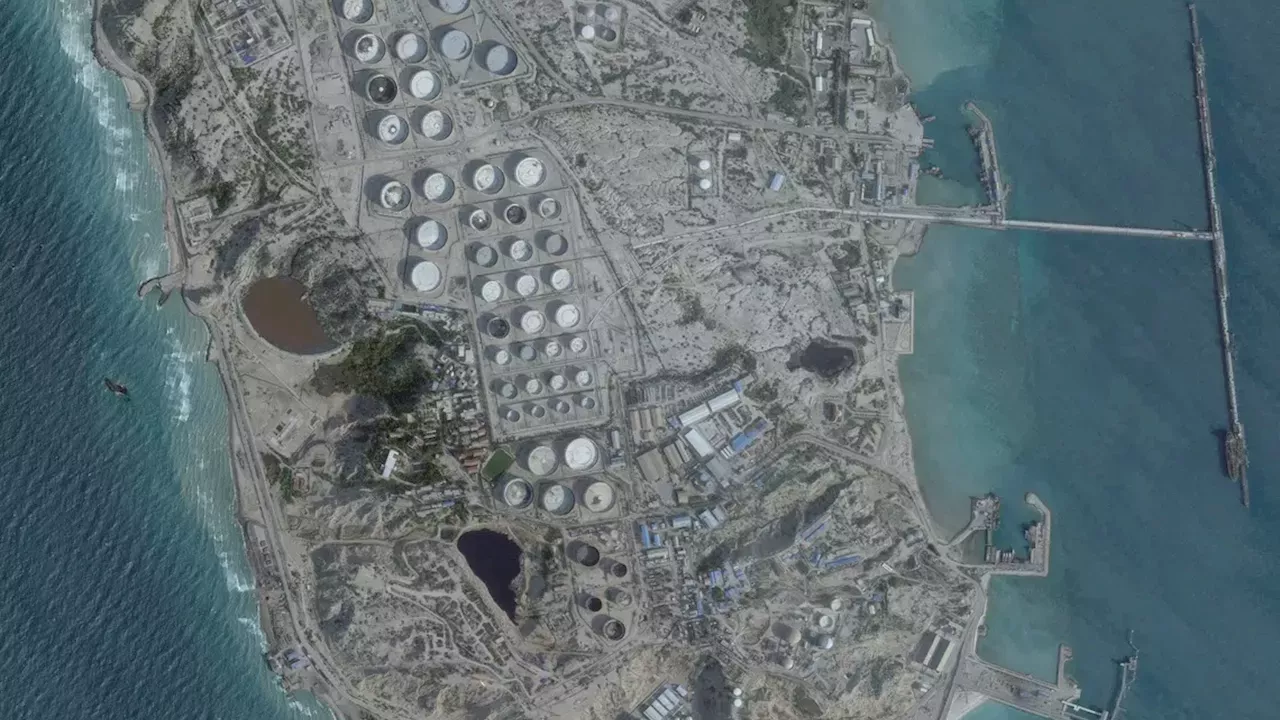
Explosions rocked Iran's Kharg Island early on September 5, a critical oil-export hub that handles 90% to 95% of the country's crude shipments. Iranian media reported that four U.S. projectiles struck a small Iranian oil tanker during offloading operations, though U.S. authorities and Iran have not officially confirmed the strike or reported any casualties.
The incident marks a sharp escalation after President Trump posted an AI-generated video on August 31 claiming Kharg Island was being "blown to smithereens." The targeting of Kharg threatens to severely disrupt global oil supplies, as roughly 20% of the world's seaborne petroleum passes through the nearby Strait of Hormuz.
Trump's Threats Precede Military Action
On August 31, President Trump posted an AI-generated video to Truth Social declaring Kharg Island was being "blown to smithereens!!!" The claim drew swift dismissal from Iran's National Oil Company CEO Hamid Bovard, who called it "laughable" and said conditions at Kharg remained "calm and appropriate." Vice President JD Vance later defended the post, saying Trump was "sending a message to the Iranians."
Days later, multiple explosions erupted near the island. Iranian outlets Asr Iran and Tasnim reported that a tanker was hit by four U.S. projectiles while being unloaded, though neither the Pentagon nor CENTCOM issued official confirmation of the strikes.
Kharg Island Handles Most Iranian Oil Exports
Kharg Island is the economic lifeblood of Iran's energy sector. The deep-water terminal processes 90% to 95% of Iran's total crude and condensate exports and holds storage capacity of 32 to 34 million barrels. According to energy analysts, any sustained damage would create severe shortages for Iran's domestic budget and global markets alike.
A U.S. naval blockade imposed in mid-April has already choked off Iranian shipments. Although a 60-day ceasefire agreement was signed in June, negotiations stalled over security arrangements, forcing a resumption of the blockade in late July and grinding loading operations at Kharg to a halt.
Strait of Hormuz Remains Flashpoint for Global Energy
The Strait of Hormuz, just miles from Kharg, channels roughly 20% of global seaborne petroleum and is already a war-risk zone. War-risk insurance premiums have surged as commercial shipping avoids the region. Shipping analysts warn that prolonged military actions near Kharg risk triggering severe global oil supply deficits and price spikes.
Both sides remain locked in a standoff. Iran's President Masoud Pezeshkian declared Iran was "not seeking war but would respond decisively to any aggression." The U.S. frames its operations as defensive responses to prevent Iranian mines or attacks on commercial shipping in international waters.
Oil Markets React to Mounting Tensions
Oil prices jumped nearly 2% following Trump's August 31 post and continued fluctuating after news of the September 5 tanker strike. Market analysts note the U.S. appears to be pursuing a "tanker-for-tanker" pressure strategy rather than full-scale invasion, targeting shipping infrastructure directly to choke Iranian revenues.
For Iran, stoppages at Kharg threaten onshore production cuts as storage capacity nears its limits. The incident underscores how military brinkmanship in the Gulf poses cascading risks to the global economy and energy security for months to come.
Sentiment
Mostly NegativeNEGATIVENEUTRALPOSITIVE
Publishers
37
Articles
106
Reach
143
Topics
A
AnonymousAuthor


