Nazi-Looted Art Restitution
Argentine court orders return of Nazi-looted portrait to Jewish art dealer's sole heir.
Anonymous
Key Points
1
After the war, the Dutch state recovered about 300 works from Jacques Goudstikker’s collection and returned most of them to his heirs, but many other pieces remain dispersed worldwide.
2
The restitution agreement requires Patricia Kadgien and Juan Carlos Cortegoso to remain under court supervision for two years, make payments to a hospital in Mar del Plata and keep authorities informed of their whereabouts.
3
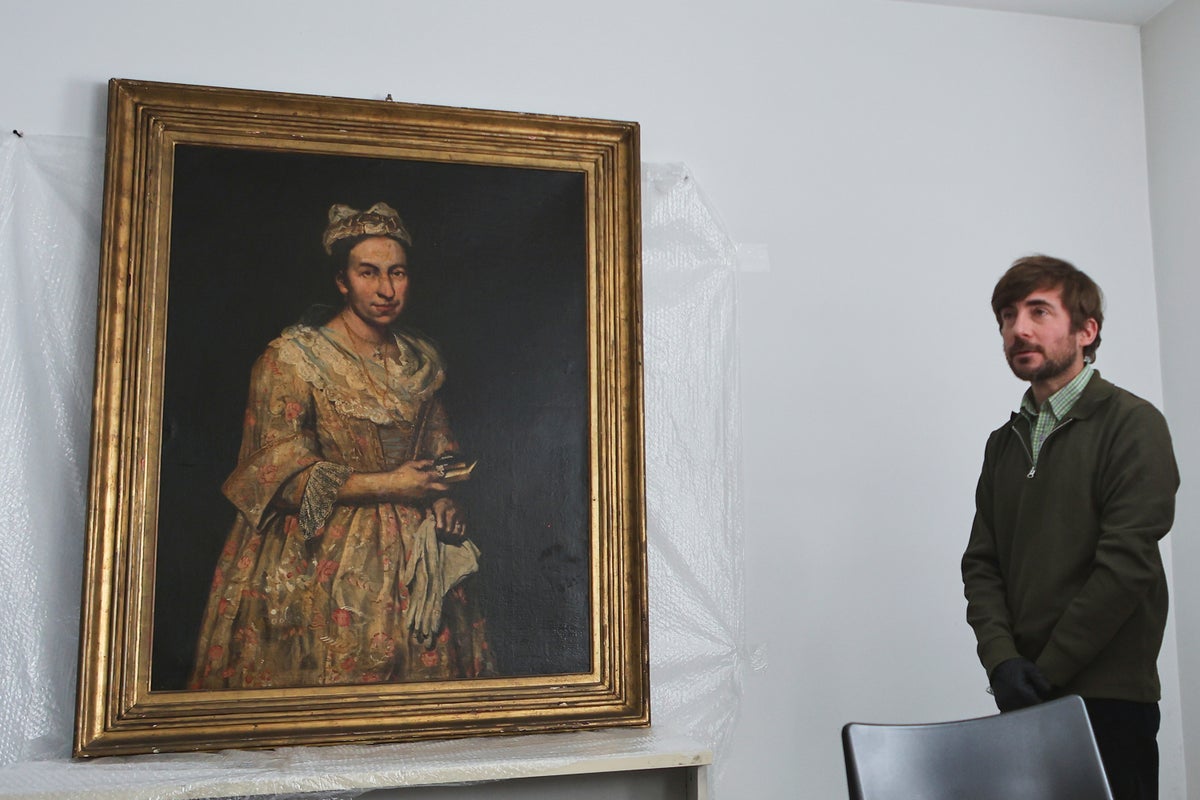
When investigators searched the Mar del Plata home after the listing drew attention, the painting had disappeared and the space above the sofa had been replaced by a large tapestry; Kadgien’s lawyer later surrendered the work to authorities.
4
The attribution of the portrait to Giuseppe Ghislandi has been questioned, even though the work is widely reported as being by the Italian late-Baroque painter.
5
Jacques Goudstikker died in an accident aboard a ship to the United States after fleeing the Netherlands, adding to the difficult history surrounding the collection and its surviving heirs.
An Argentine court ordered the return of "Portrait of a Lady," an 18th-century painting looted by Nazis from Jewish art dealer Jacques Goudstikker's collection, to his sole heir Marei von Saher. The Independent reported the work was rediscovered in 2025 in real estate photographs from a Mar del Plata home, sparking an 80-year hunt that ends with restitution and a plan to lend the painting to Buenos Aires' Holocaust Museum.
How a Real Estate Listing Exposed Eight Decades of Concealment
Dutch journalists spotted the painting in photographs posted online for a Mar del Plata property sale in August 2025. The listing belonged to Patricia Kadgien, daughter of Nazi official Friedrich Kadgien. When investigators searched the home, the painting had vanished. A large tapestry now hung where the work once sat above the sofa. Yahoo News reported Kadgien's lawyer later surrendered the artwork to authorities, ending the initial concealment.
Restitution Deal Avoids Criminal Trial Through Court Supervision
Patricia Kadgien and her husband Juan Carlos Cortegoso agreed to relinquish all claims to the painting in exchange for avoiding criminal prosecution. The Independent explained the court imposed a two-year supervision period, requiring them to remain under judicial oversight, make payments to a local hospital, and inform authorities of their whereabouts. This settlement prioritized restitution over a criminal trial, resolving possession quickly.
Over 1,000 Works Still Missing From Goudstikker's Seized Collection
Jacques Goudstikker's collection included more than 1,000 artworks seized after the Nazi invasion of the Netherlands. After World War II, the Dutch state recovered approximately 300 works and returned most to heirs. But hundreds remain dispersed worldwide, scattered across private collections and hidden in homes like the one in Argentina. The Goudstikker case reveals how digitized property listings and archival research can expose stolen treasures decades later, though many pieces may never surface.
A Jewish Art Dealer's Tragic Story Behind the Lost Collection
Jacques Goudstikker fled the Netherlands as Nazis invaded but died in an accident aboard a ship sailing to the United States. His death compounded the loss of his life's work. Marei von Saher, his sole heir, inherited the responsibility of recovering scattered artworks across continents. Von Saher's legal efforts have now recovered this portrait after 80 years, but the broader search for Goudstikker's collection continues, dependent on public vigilance, archival records, and international cooperation.
Sentiment
Mostly NegativeNEGATIVENEUTRALPOSITIVE
Publishers
18
Articles
167
Reach
185
Topics
A
AnonymousAuthor


