Grief and Weight Loss
Kelly Osbourne reveals severe grief-related weight loss following the death of her father Ozzy.
Anonymous
Key Points
1
Kelly said Ozzy Osbourne died of a heart attack at age 76 in July 2025.
2
Kelly said she adopted a cheerful persona around her three-year-old son, Sidney, explaining: “Whenever he walked in the room, something would come over me and I’d snap into Miss Fun Mum.” She said she would leave the room to cry so he would not be exposed to what she called “inappropriate sorrow.”
3
Kelly said her appearance drew harsh public scrutiny when she accepted Ozzy’s posthumous Lifetime Achievement Award at the 2026 Brit Awards, and that she felt “dehumanised” by criticism of her appearance.
4
Kelly said she and Sid Wilson, the father of her son, had recently split, adding relationship upheaval to the period in which she was grieving her father.
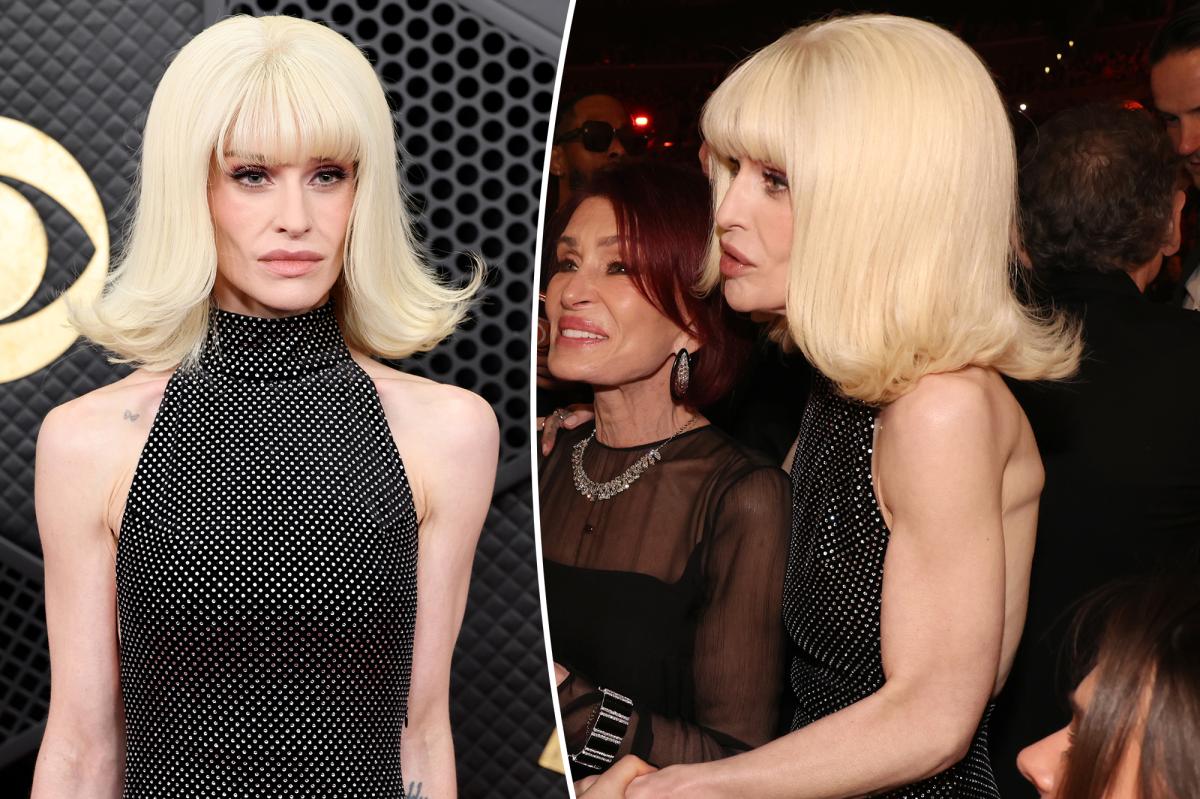
Kelly Osbourne says she lost so much weight after her father Ozzy died in July 2025 that she didn't recognize herself. The grief overwhelmed her. She didn't eat. She felt sick. Friends and family told her she looked skeletal, but Radar Online reports that Kelly was too deep in pain to notice what they saw.
The 41-year-old singer realized how severe the change was during a dress fitting for the 2026 Grammy Awards. Pages Six reports that when she saw herself, she was frightened. Her spine bones and face bones showed through her skin. She wore a wig and chose clothes carefully to hide what grief had done to her body.
The Physical Toll of Overwhelming Grief
Grief shut down Kelly's body in concrete ways. Just Jared reports that she couldn't eat. Nausea plagued her. Sleep disappeared. Her mind was shattered. She was drowning in loss. Her body reacted the only way it knew how — it stopped functioning normally. She lost pounds without trying, without wanting to, without even watching it happen.
The people around Kelly saw the change before she did. They were alarmed. But Kelly couldn't hear their concern. She was submerged in psychological pain. Radar Online explains that when emotional hurt is this severe, a person's awareness of their own body shrinks. All attention goes inward. External mirrors — how you look, how others perceive you — fade away.
Public Mourning While Unwell Enough to Skip It
Kelly faced a brutal choice after her father's death. Her family needed her. Her father's legacy needed honoring. The world expected her to show up. But Pages Six reports that Kelly was seriously unwell — too sick to attend. Yet she went anyway. She wore the wig. She gritted her teeth. She presented herself to the cameras.
At the 2026 Brit Awards, Pages Six reports that Kelly accepted a posthumous Lifetime Achievement Award for Ozzy. The public scrutiny hit hard. People criticized how thin she looked. They picked apart her appearance. Kelly described feeling "dehumanized" by the comments. In hindsight, she says she was not well enough to attend. The decision cost her.
Protecting Her Son While Falling Apart Inside
Kelly had a three-year-old son, Sidney. She loved him fiercely. She wanted to shield him from adult pain. Radar Online reports that whenever Sidney walked into a room, Kelly would snap into a different mode — "Miss Fun Mum." She became cheerful. She became safe. Then he would leave, and she would go somewhere private and cry alone.
This split between her public face and private grief was exhausting. She couldn't let Sidney see what she felt. She couldn't burden a three-year-old with her devastation. The pain had to go somewhere — it went into her body. Yahoo News reports that Kelly was navigating not only grief over her father but also a recent split from Sidney's father, Sid Wilson. Loss piled on loss.
What Comes Next: Grief, Documentary, and Healing
Kelly says she plans to explore what happened to her in a three-part documentary series. She wants to talk about grief. She wants to talk about mental health. She wants to show what it looks like when loss destroys the body and mind. Radar Online reports that Kelly is using her experience to help others understand that grief is not just sadness — it is a physical, all-consuming force.
Looking back, Kelly knows she needed help. She knows she should have rested instead of performing. She knows her body was sending urgent signals. Now she is telling her story — not to excuse the pain, but to name it. Grief is real. It changes you. It makes you invisible to yourself. Kelly is making that visible for others.
Sentiment
Mostly NegativeNEGATIVENEUTRALPOSITIVE
Publishers
32
Articles
57
Reach
89
A
AnonymousAuthor


