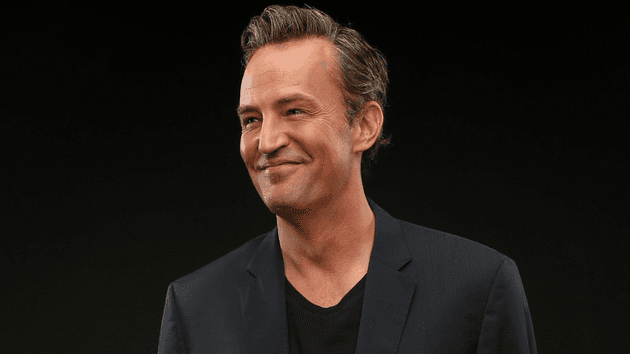
Mr. T slams Netflix documentary portrayal
Mr. T slams Netflix documentary portrayal
Anonymous
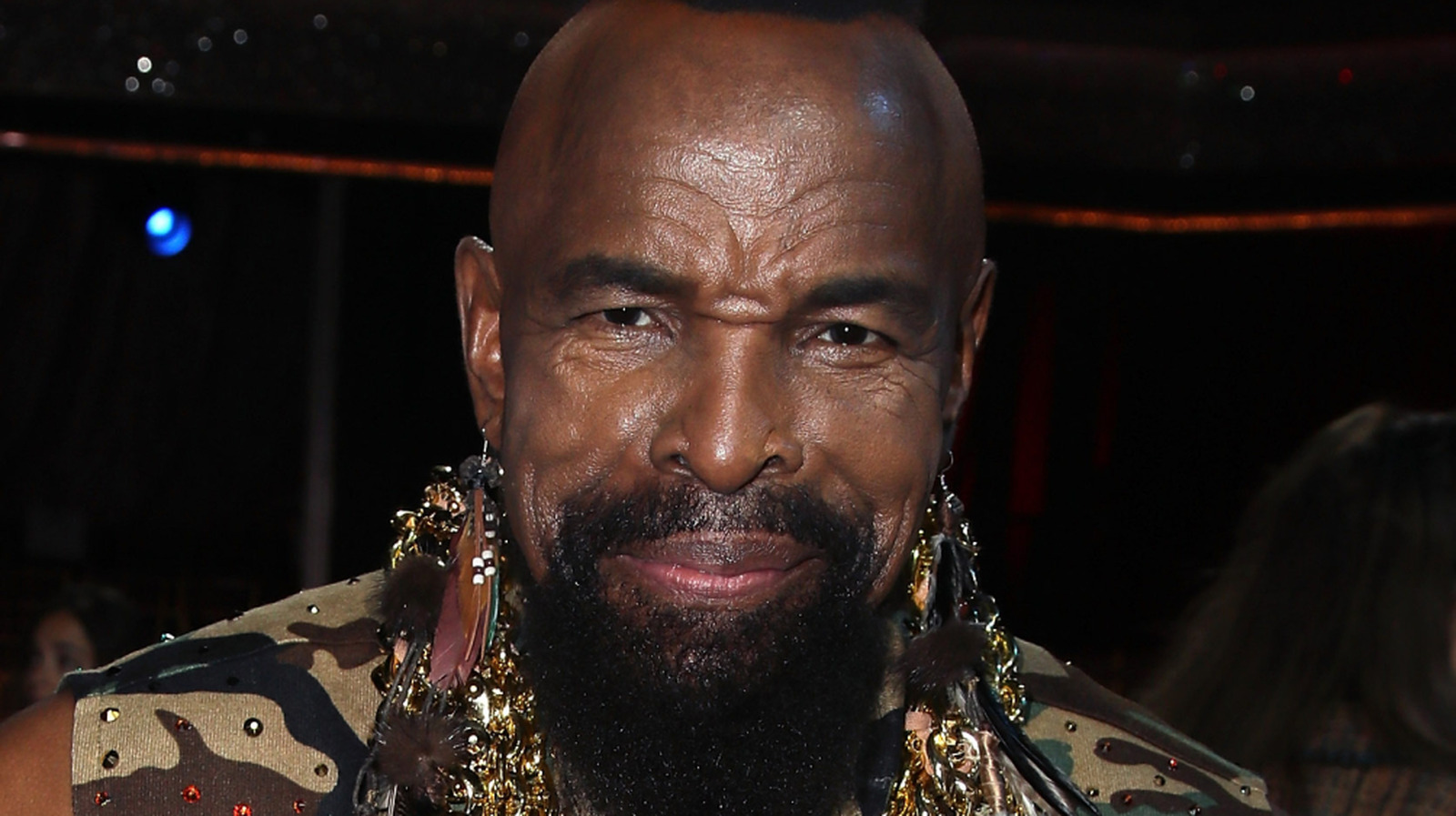
Key Points
1
Mr. T said Netflix gave his pastor “30 seconds [on screen]” after the documentary interviewed him for two days, adding that the time could have been used to highlight the community impact he says he made. “You could have had my pastor speaking about the people I changed in the community, but you don’t show that.”
2
He accused the filmmakers of trying to dominate the narrative, saying “That’s what we call, in the Black community, a white man wanting to change the story and control the narrative. If you don’t know me, you’re gonna think I’m some monster.”
3
He argued the doc should have focused on specific public-facing efforts beyond the “sensational moments,” explicitly asking: “Why don’t you show Mr. T working with the Make-A-Wish kids? Why don’t you show Mr. T being in the army?”
4
In defending a role Netflix-associated with “undercutting” him, Mr. T described his approach to playing the “Bearded Lady” in Alex Winter’s 1993 cult horror-comedy Freaked—saying he “didn’t have no problem playing” the part because it was “against the typecast,” and noting co-stars like Brooke Shields, Keanu Reeves, and Randy Quaid.
5
The coverage also ties his advocacy to concrete, widely known campaigns, including his appearance in Nancy Reagan’s “Just Say No” anti-drugs program and his participation in Hurricane Katrina cleanup work—examples Mr. T says the documentary largely omits.
Mr. T is blasting Netflix's new documentary about his life, calling it "garbage" and accusing filmmakers of distorting his story. The 74-year-old A-Team star says Untold Mr. T: I Pity the Fool, which premiered September 8, glosses over his philanthropic work and advocacy while fixating on sensational career moments. According to Blexmedia, he believes the documentary attempts to "control the narrative" and "cut Mr. T down" rather than present a balanced portrait.
Mr. T's core complaint centers on what he sees as intentional omissions. His pastor received just 30 seconds of screen time despite being interviewed for two full days, Mr. T told TVLine. He argues the filmmakers could have showcased his community impact and charitable work instead. According to Mr. T, the documentary ignores his work with Make-A-Wish kids, his military service, and his role in Nancy Reagan's "Just Say No" anti-drug campaign.
Accusation of Narrative Control
Mr. T says the documentary's approach reflects troubling power dynamics. According to Blexmedia, he stated: "That's what we call, in the Black community, a white man wanting to change the story and control the narrative." He worries viewers unfamiliar with his actual life will form false impressions. "If you don't know me, you're gonna think I'm some monster," Mr. T said, highlighting his fear that omissions create a distorted image.
Missing Charitable and Military Work
Mr. T points to specific programs the documentary reportedly ignores. According to TVLine, he questioned why filmmakers didn't showcase his Make-A-Wish appearances or military background. He also cited his participation in Hurricane Katrina relief efforts and his high-profile role in Nancy Reagan's anti-drug initiative as examples of meaningful work left on the cutting-room floor. These omissions, he argues, present an incomplete and misleading version of his life and values.
Defense of His Acting Choices
Mr. T also addressed criticism over unconventional film roles. According to the reporting, he explained his decision to play the "Bearded Lady" in Alex Winter's 1993 horror-comedy Freaked as an intentional move against typecasting. He emphasized working alongside respected actors like Brooke Shields, Keanu Reeves, and Randy Quaid. This role selection, he suggested, reflected artistic diversity rather than poor judgment or desperation.
Mr. T argued his career choices stemmed from wanting to challenge assumptions about who he could portray. Playing against type, he insisted, was a deliberate artistic strategy. The documentary's framing of his roles—particularly those departing from his tough-guy image—appears to have angered him because it treats experimental choices as evidence of professional struggles rather than creative risk-taking.
Context of His Protective Actions
Mr. T also defended decisions made in the wake of a robbery involving his mother. According to his account, these actions were driven by a desire to protect his family, even when they conflicted with his Christian beliefs. He rejects portrayals suggesting he was violent or dangerous by nature. Instead, Mr. T emphasizes that as a child he avoided crime and was actually teased for staying out of trouble.
Sentiment
Mostly NegativeNEGATIVENEUTRALPOSITIVE
Publishers
13
Articles
10
Reach
23
Topics
A
AnonymousAuthor