Australian Poll Shake-up
One Nation Regains Primary Vote Lead Over Labor in Volatile Australian Polls
Anonymous
Key Points
1
In the Redbridge Group/Accent Research poll for The Australian Financial Review, One Nation sits at 31% while Labor trails at 29%, and 29% of respondents chose the 'others' category as their preferred prime minister, indicating a sizeable pool of undecided voters.
2
Two-party preferred numbers still show Labor ahead (53–47), but in a separate preference contest the Coalition leads (52–48), highlighting how different methods of measuring support can yield mixed results for party standings.
3
There is a regional tilt in One Nation’s favor, with a surge in Victoria where the party’s primary vote rose to 31% as Labor slipped to 29%, underscoring regional variation within the overall national picture.
4
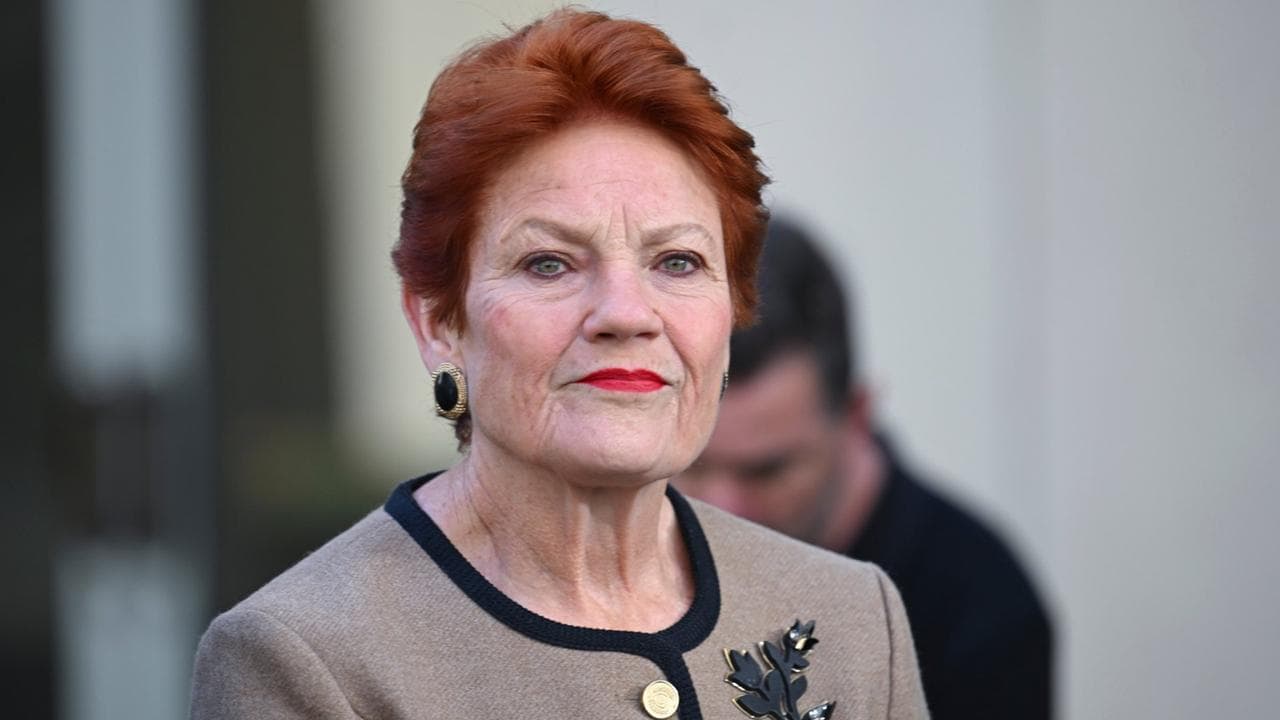
Controversies surrounding Pauline Hanson—such as her 'monoculture' speech and engagements with controversial figures abroad—are cited by Redbridge’s Tony Barry as contributing to a rebound in One Nation, with the view that 'grievance mobilises more reliably than policy.'
5
The poll also shows Greens sliding to around 10%, while the Coalition rises to about 22%, reflecting ongoing volatility among smaller parties even as One Nation challenges Labor on the primary vote.
Pauline Hanson's One Nation has reclaimed the top spot in Australia's primary vote, rising two points to 31% in the latest Redbridge Group/Accent Research poll, according to The New Daily. Labor slipped to 29%, while the Coalition climbed to about 22% and the Greens fell to 10%.
It is the fourth time in recent months that One Nation and Labor have swapped the lead. The result signals that One Nation's support is volatile but sticky — a real challenge for a Labor government heading into the next election, according to The Nightly.
One Nation and Labor Keep Swapping the Top Spot
The Redbridge Group/Accent Research poll showed One Nation at 31%, up two points from last month, when Labor had briefly taken the lead. Labor now sits at 29%, the Coalition at 22%, and the Greens at 10%, according to Perth Now. A notable 29% of voters picked 'others' as their preferred prime minister — a sign of a large, restless pool of undecided Australians.
The regional picture adds another layer. In Victoria, One Nation's primary vote jumped to 31% while Labor fell to 29%, according to The Nightly. That kind of regional swing shows One Nation is not just an outback protest vote — it is cutting into Labor's traditional heartland.
Two-Party Numbers Tell Two Different Stories
Despite One Nation's lead on the primary vote, Labor still holds an edge in two-party preferred — 53% to 47%. But in a separate preference contest, the Coalition leads 52% to 48%, according to The Nightly. The gap between these two measures shows how much the final result depends on how preferences flow between minor parties.
Prime Minister Anthony Albanese remains the preferred leader, but his margin over Hanson has tightened to about eight points. Hanson's personal approval sits in the mid-20s. Neither figure is dominant, and the tightening gap suggests Albanese's personal advantage is slowly eroding, according to The New Daily.
Hanson's Controversies Fuel Rather Than Hurt Her Support
Redbridge analyst Tony Barry said Hanson's recent 'monoculture' speech and her meetings with controversial figures overseas have actually helped her polling. Barry put it plainly: 'grievance mobilises more reliably than policy.' Rather than hurting One Nation, the controversies appear to energise its base, according to The Nightly.
One Nation consistently leads all parties on issues like immigration and crime. Those issues are driving a cross-partisan appeal — pulling voters from Labor, the Coalition, and even the Greens. That broad base makes One Nation harder to dismiss as a fringe movement, according to 7News.
Cost of Living and Housing Keep Pressure on Albanese
Analysts point to ongoing economic anxiety — particularly cost of living and housing affordability — as key reasons voters are shopping around. Labor's perceived performance on these issues is giving One Nation and the Coalition room to grow, according to The Singleton Argus.
The Coalition's rise to 22% shows it too is recovering ground, even as One Nation dominates the headlines. With the Greens sliding to 10%, the minor-party vote is consolidating around One Nation rather than spreading evenly. The next poll will show whether One Nation can hold its lead or whether Labor bounces back again, as it has done before, according to The New Daily.
Sentiment
Mostly NegativeNEGATIVENEUTRALPOSITIVE
Publishers
10
Articles
79
Reach
89
A
AnonymousAuthor