Zyn Production Boosts Colorado Economy
Philip Morris Doubles Zyn Investment to $1.2 Billion in Colorado, Boosting Production and Jobs
Anonymous
Key Points
1
Aurora campus spans roughly 780,000 square feet and is PMI's second-largest U.S. nicotine plant; construction took about 19 months before it began commercial production.
2
The Aurora facility will join PMI's other U.S. nicotine manufacturing operations in Owensboro, Kentucky and Wilson, North Carolina.
3
PMI has invested about $1 billion to date on the Aurora campus and plans an additional $200 million over the next two years to expand capacity and production.
4
The project has already filled about 170 jobs at the Aurora site, with around 500 more expected; average annual salaries are estimated around $90,000.
5
Colorado state has approved up to $4.5 million in job-growth tax credits to support the site.
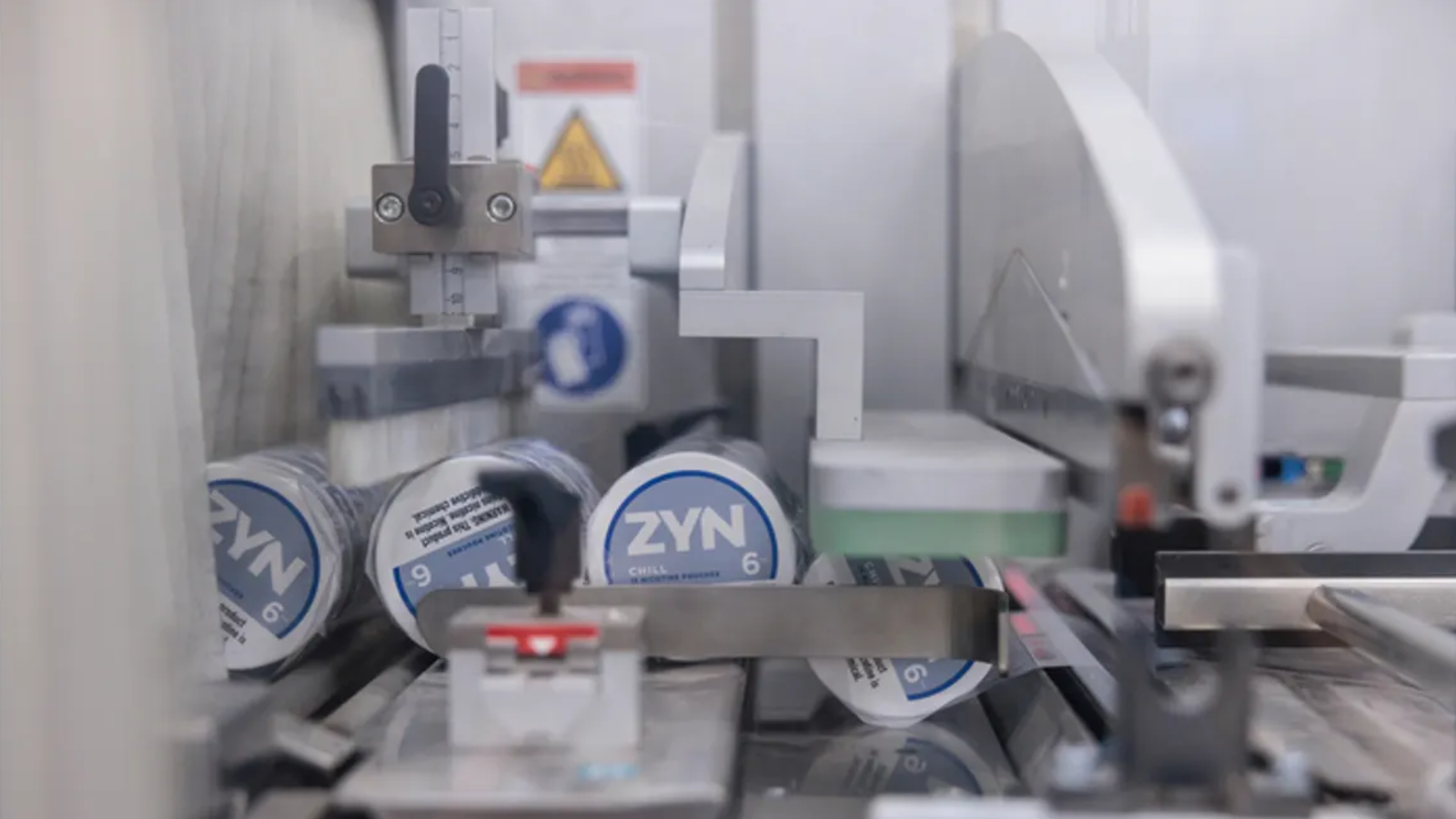
Philip Morris International is doubling down on Zyn. The company confirmed a $1.2 billion investment in its Aurora, Colorado manufacturing campus through 2028 — twice the original $600 million plan announced in 2024, according to MarketScreener. The Aurora facility began commercial production this month and already employs about 170 workers.
The 780,000-square-foot campus is PMI's second-largest U.S. nicotine plant. It took roughly 19 months to build. PMI has spent about $1 billion so far and plans an additional $200 million over the next two years to expand capacity further, TipRanks reported.
Aurora Campus Becomes PMI's U.S. Zyn Powerhouse
The Aurora site joins PMI's existing U.S. nicotine plants in Owensboro, Kentucky and Wilson, North Carolina. Together, they form a domestic manufacturing network built to keep up with surging Zyn demand. PMI expects the Aurora campus alone to generate about $550 million in annual economic impact, according to MarketScreener.
The facility is also designed as an export hub. PMI plans to ship Zyn pouches from Aurora to markets across Asia, Latin America and the Caribbean. Around 500 more jobs are expected to be added at the site, bringing total employment to roughly 670. Average salaries will run about $90,000 a year. That would support around 1,000 indirect jobs in the region, ConnectCRE noted.
FDA Approval and Strong Sales Fuel the Expansion
The investment surge follows a key regulatory win. The U.S. FDA approved 20 Zyn pouch products as less harmful than cigarettes — a major milestone for the brand. PMI has leaned on that approval to push Zyn as its flagship smoke-free product. Demand for smoke-free goods drove stronger quarterly results for the company, Yahoo Finance reported.
PMI U.S. head Stacey Kennedy pointed to job creation and long-term growth as the driving forces. The company frames the Aurora campus as part of a broader shift toward smoke-free products, including Zyn, IQOS heated tobacco, and vapes. The strategy is meant to build supply-chain resilience and reduce reliance on overseas production.
Colorado Gets $550M Economic Boost — With Strings Attached
Colorado is backing the project with public money. The state approved up to $4.5 million in job-growth tax credits for the Aurora site. Supporters see it as a clear economic win — hundreds of high-paying jobs and hundreds of millions in local economic activity. The credits are tied to job creation targets PMI must hit to collect them.
But not everyone is cheering. Public health advocates question why taxpayers should subsidize tobacco expansion. Critics also warn about youth uptake of nicotine pouches, which are easier to use discreetly than cigarettes. Yahoo Finance noted that Zyn's grip on U.S. consumers faces scrutiny, with ongoing concern that growth in smoke-free nicotine products could pull in new, younger users rather than just current smokers switching products.
Sentiment
Mostly PositiveNEGATIVENEUTRALPOSITIVE
Publishers
10
Articles
56
Reach
66
A
AnonymousAuthor


