Civil War Rivalry Video
Kansas Sparks Debate With Civil War-Themed Video Ahead of Missouri Football Rivalry
Anonymous
Key Points
1
The hype video was narrated by former Kansas defensive lineman Gilbert Brown, who declared, “Love doesn’t exist here. Neither does mercy,” framing the rivalry as hatred passed down through generations.
2
The video drew substantial online attention, surpassing 16 million views on X and 11,000 views on Instagram by Friday morning.
3
The historical conflicts also influenced the schools’ identities: pro-free-state fighters became known as Jayhawkers, while the militia that defended Columbia helped shape Missouri’s Tigers nickname.
4
Missouri entered the renewed matchup ranked No. 23 in the AP Top 25, while both teams came into the game with 1-0 records; The Athletic had ranked the Border War among the top 20 college football rivalries of all time.
5
Some reactions challenged the video’s simplified moral framing, arguing that not all Kansas Free-Staters opposed slavery out of support for Black equality and that John Brown’s legacy remains deeply contested.
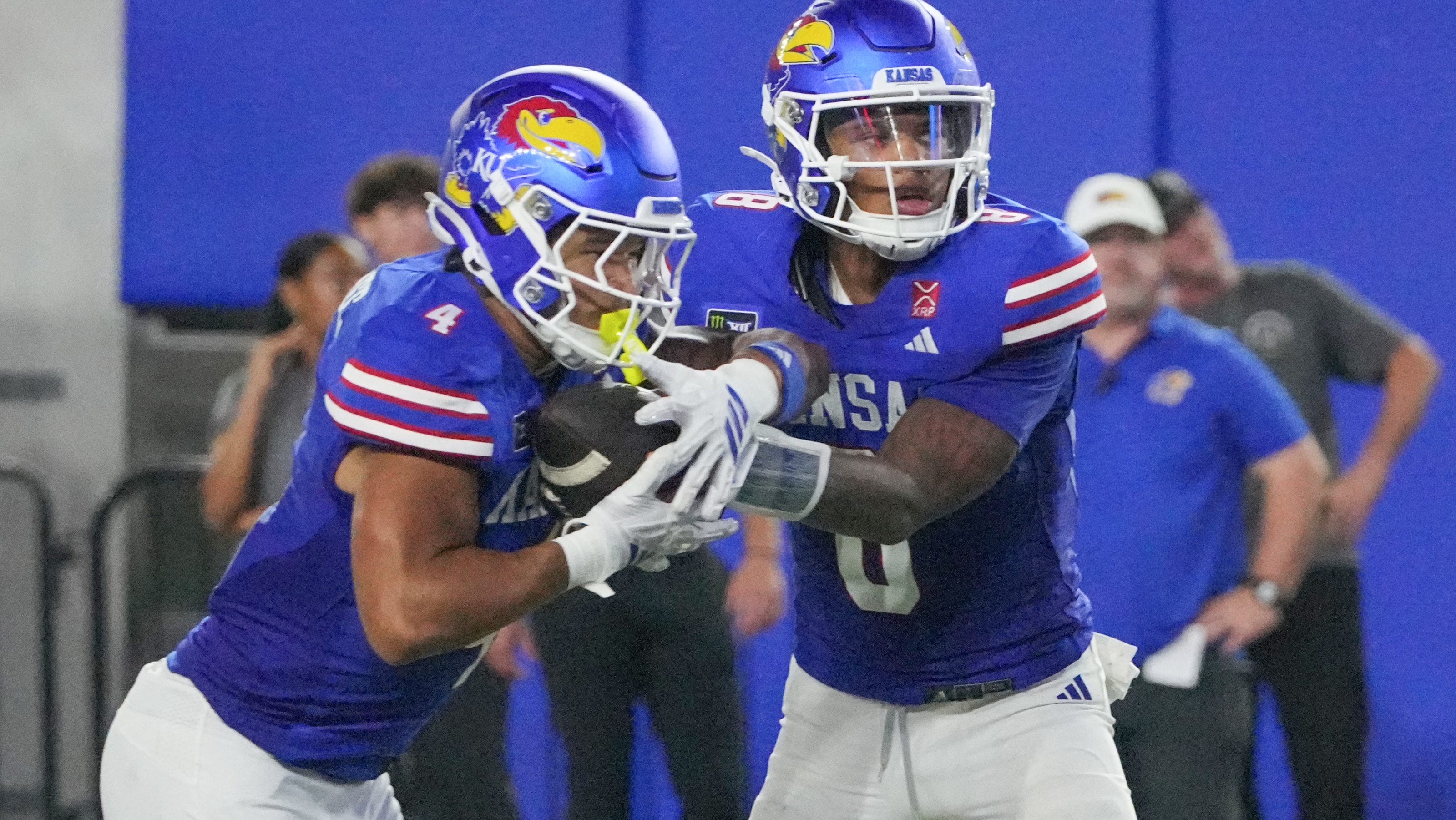
Kansas released a Civil War-themed hype video Friday ahead of its renewal of the Border War football rivalry with Missouri, drawing 16 million views on X and stirring debate over how the schools frame their historic clash. The video, narrated by former Kansas defensive lineman Gilbert Brown, declared "Love doesn't exist here. Neither does mercy," rooting the modern rivalry in 1860s violence between pro-slavery Missourians and anti-slavery Kansas settlers The Athletic.
The Border War between the Jayhawks and Tigers, dormant for 14 years due to conference realignment, dates back to 1891 but draws its symbolic power from brutal Civil War raids and the contested legacies of figures like abolitionist John Brown and guerrilla leader William Quantrill Kansas News. Missouri won Friday's matchup, improving the all-time series to 57-55-9 in the Tigers' favor.
The Video's Dark Framing and Massive Reach
Kansas's "Heroes and Villains" promo video featured abolitionist John Brown and Quantrill's 1863 attack on Lawrence, a raid that killed over 180 civilians and burned much of the town Local Sports. Narrated by Brown, the video presented the rivalry as rooted in generational hatred, portraying it as more than a football game but a clash of rival moral systems. By Friday morning, the clip had accumulated 11,000 views on Instagram and dominated social media discourse Kansas News.
The video's release came as Missouri entered the game ranked No. 23 in the AP Top 25, with both teams carrying 1-0 records into the matchup Sports Yahoo. The Athletic had previously ranked the Border War among college football's top 20 rivalries of all time, signaling its place in the sport's broader cultural landscape.
How Civil War History Shaped Two Team Identities
The Jayhawks nickname comes from anti-slavery fighters known as Jayhawkers who battled pro-slavery raiders during the 1850s conflict over Kansas statehood Kansas News. Kansas entered the Union as a free state in 1861, after settlers and federal troops clashed with Missourians seeking to extend slavery northward. These violent struggles left scars that persist in how both schools tell their stories.
Missouri's Tigers identity similarly traces roots to militia defending Columbia against Union forces and free-state militias during the Civil War Local Sports. The rivalry thus binds both schools to opposite sides of America's bloodiest conflict. William Quantrill's guerrillas and John Brown's raiders represent the era when border violence was literal—not symbolic.
Critics Question the Video's Historical Framing
Some commentators challenged the video's moral simplicity, noting that not all Kansas Free-Staters opposed slavery because they supported Black equality The Athletic. John Brown's legacy remains deeply contested among historians. While Brown's abolitionism was unambiguous, his methods—including violent raids—spark ongoing debate about his true motives and impact.
Supporters of the video countered that it accurately reflects the rivalry's documented history and the genuine violence that shaped both institutions Local Sports. The debate revealed how schools use historical narratives to build fan identity and competitive spirit. Kansas and Missouri now face questions about balancing storytelling with historical precision.
Sentiment
Mostly NegativeNEGATIVENEUTRALPOSITIVE
Publishers
43
Articles
99
Reach
142
A
AnonymousAuthor


