Sugar and Gut Health
Study Links High Sugar Intake to Gut Damage During Antibiotic Treatment
Anonymous
Key Points
1
In the mouse experiment, Enterococcus levels rose about 16-fold by the third day and more than 30-fold by the sixth day in animals given sugar after antibiotics, compared with mice given antibiotics alone.
2
Patients who consumed more sugar had an estimated 12% higher risk of death after transplantation; the study did not establish that sugar caused this difference.
3
The patients were especially vulnerable: they had blood cancers and were receiving intensive treatment, and 80% took at least one broad-spectrum antibiotic, which can have a particularly strong effect on the microbiome.
4
Co-senior author Marcel van den Brink said the findings support emerging evidence that avoiding sugary foods during antibiotic treatment may protect the microbiome, whose diversity has previously been linked with better clinical outcomes in cancer patients.
A new study of cancer patients shows eating sugary foods during antibiotic treatment may damage gut bacteria in dangerous ways. RTTNews reports that researchers analyzed 173 patients preparing for stem-cell transplants and found that each extra 100 grams of sweets was linked to about a 24% drop in gut-bacteria diversity. Patients who ate more sugar had a 12% higher estimated risk of death after transplant, though the study did not prove sugar caused this difference.
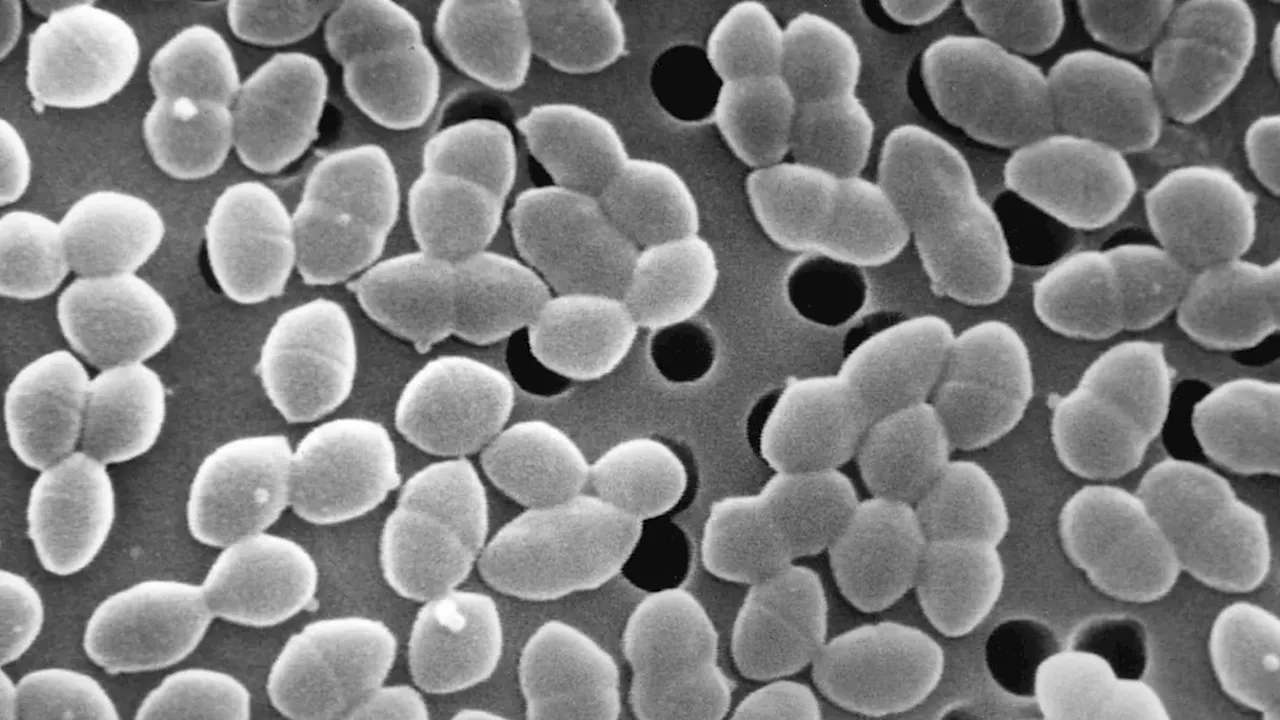
The findings highlight a specific danger for cancer patients taking strong antibiotics. CP24 notes that 80% of the patients studied took broad-spectrum antibiotics, which hit the microbiome hard. When gut bacteria diversity drops, dangerous bacteria like Enterococcus can take over and cause serious infections.
How Sugar Boosted Dangerous Bacteria in Mice
Lab tests showed sugar's power to fuel harmful growth. When mice got antibiotics followed by sugar, Enterococcus bacteria exploded. DailyMail reports levels jumped 16-fold by day three and rocketed over 30-fold by day six. Mice that got antibiotics alone did not see this spike. The experiment proved sugar can transform the damaged gut into a breeding ground for pathogens.
Why These Cancer Patients Were Extra Vulnerable
The 173 patients in the study faced brutal conditions. All had blood cancers and were undergoing intensive treatment that hammered their immune systems. Headtopics explains that four in five took broad-spectrum antibiotics, which wipe out far more bacteria than targeted drugs do. This leaves the microbiome empty and defenseless when sugar feeds harmful bacteria back in.
What Doctors Want You to Know About These Findings
Researchers stressed caution when applying results beyond cancer wards. CP24 notes that co-senior author Marcel van den Brink said the findings back emerging evidence that cutting sugar during antibiotics may shield the microbiome. But he cautioned against direct application to routine infections. The study was observational — it captured what happened but did not prove sugar was the cause of worse outcomes.
The Real Data Behind Microbiome Damage
The scope of the research was massive. RTTNews reports scientists reviewed more than 9,400 hospital meals and analyzed over 1,000 stool samples. The pattern was clear: the more sweets patients ate, the less diverse their gut bacteria became. Lower diversity has been tied to worse clinical outcomes in cancer patients, making this link especially concerning for vulnerable populations.
Sentiment
Mostly NegativeNEGATIVENEUTRALPOSITIVE
Publishers
18
Articles
69
Reach
87
A
AnonymousAuthor


