Ukraine-Romania Border Attack
Russia attacks Ukraine-Romania border crossing at Orlivka, forcing temporary closure and traffic rerouting.
Anonymous
Key Points
1
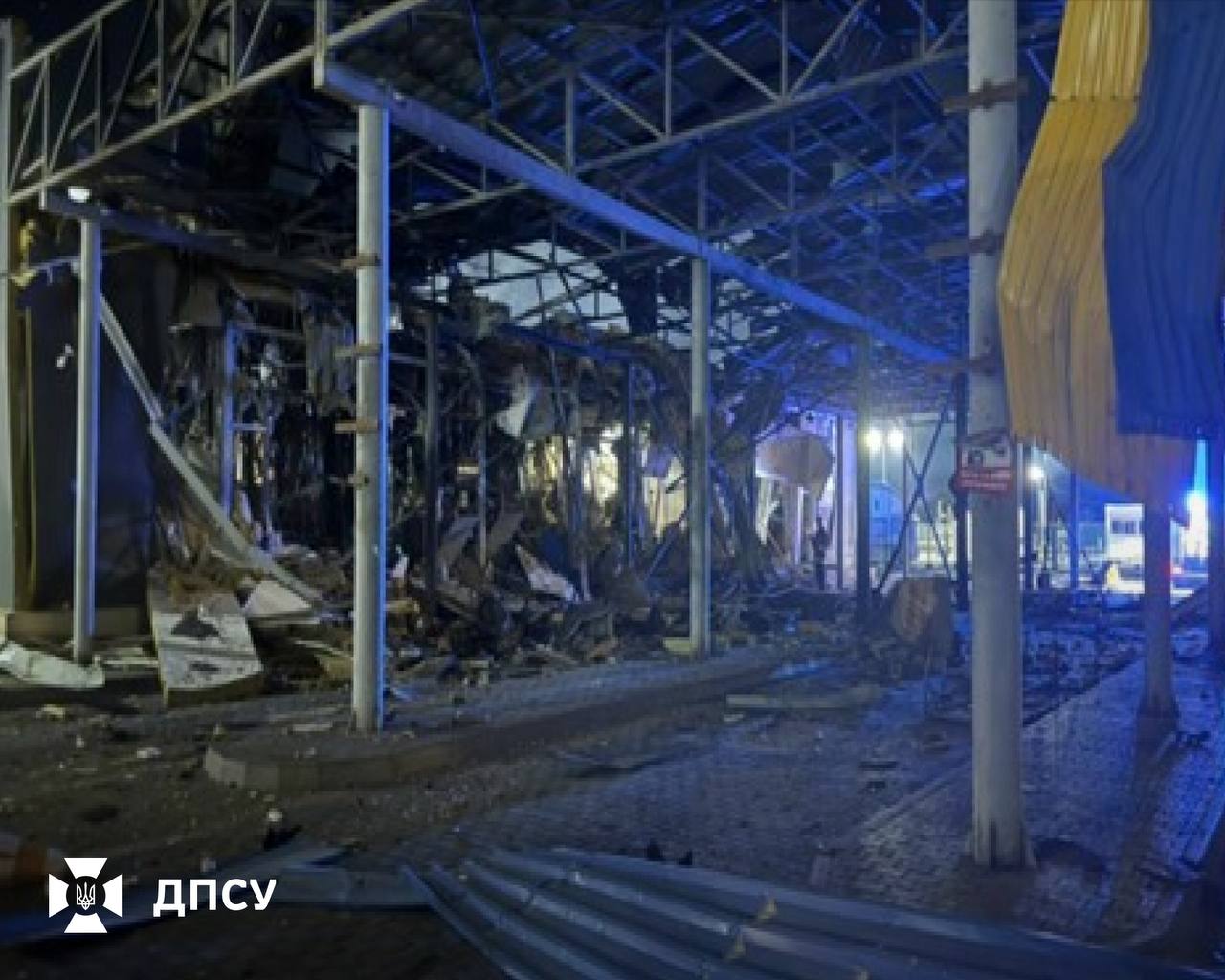
The Orlivka crossing attack was reportedly carried out with Shahed strike drones, resulting in hits on the border crossing building and grounds and causing fires that emergency responders later contained.
2
Romanian authorities were notified of the attack, Ukrainian authorities stated that the Romanian side was informed, and vehicles are being rerouted to alternative border crossings; officials also noted that this is not the first time the Orlivka border crossing has been attacked.
3
A new border crossing, Bila Tserkva–Sighetu Marmatiei, is being prepared with infrastructure readiness assessments, and is scheduled to open later this year to maintain cross-border mobility.
4
The State Border Guard Service clarified practical border-crossing details in light of attacks, including whether a border crossing stamp is required and how EU travel rules apply to different categories of citizens.
5
Analysts note geopolitical and economic implications of the Izmail border escalation, with futures-market-style indicators (e.g., a 22% chance of Russia advancing into Sloviansk by end-2026) underscoring potential shifts in regional trade and security assessments.
Russian forces attacked the Orlivka border crossing between Ukraine and Romania on March 6, forcing authorities to shut down passenger and vehicle processing. Head Topics reported that strikes hit the crossing building and grounds, igniting fires that emergency responders later contained. Ukraine and Romania coordinated immediate notice to travelers, rerouting vehicles to alternate crossings in the Izmail district along the Danube River.
The attack marks an escalation in Russian strikes targeting critical border infrastructure. Crypto Briefing noted this closure represents a significant rise in military tensions between Russia and Ukraine near Romanian territory. Authorities are preparing a new crossing at Bila Tserkva–Sighetu Marmatiei to maintain cross-border movement while damage assessments and repairs continue.
Shahed Drones Strike Crossing, Fires Contained
Russian forces deployed Shahed strike drones in the attack on Orlivka, according to Head Topics. The drones scored direct hits on the border crossing facility and surrounding grounds. Fire broke out immediately after impact, but emergency responders quickly contained the blazes. One person was injured in the strike, though damage assessments were still underway.
Passengers Rerouted as Romanian Border Tightens
All passenger and vehicle processing at Orlivka stopped immediately after the attack. Ukrainian authorities notified Romanian counterparts of the closure and damage. Officials confirmed this is not the first time Russian forces have targeted Orlivka. Traffic is now being diverted to alternate crossings in the Izmail district to maintain border connectivity for essential travel and commerce.
New Crossing at Bila Tserkva Planned for Later This Year
To strengthen border resilience against repeated attacks, Ukraine and Romania are preparing a second crossing at Bila Tserkva–Sighetu Marmatiei. Infrastructure assessments are underway to ensure readiness. The new crossing is scheduled to open later in 2025, providing redundancy if existing routes face further damage. This parallel crossing will help maintain steady cross-border movement and trade flow.
Geopolitical Impact on Regional Trade and Security Outlook
Analysts view the Izmail escalation as strategically significant for regional dynamics. The Orlivka closure temporarily disrupts a key trade artery between Ukraine and the EU. Futures-market data shows a 22% probability that Russia could advance into Sloviansk by the end of 2026, reflecting growing geopolitical risk. The repeated strikes on border and port infrastructure signal Russia's intent to squeeze Ukrainian economic corridors and strain Romania's security posture.
Sentiment
Mostly NegativeNEGATIVENEUTRALPOSITIVE
Publishers
11
Articles
0
Reach
11
A
AnonymousAuthor


