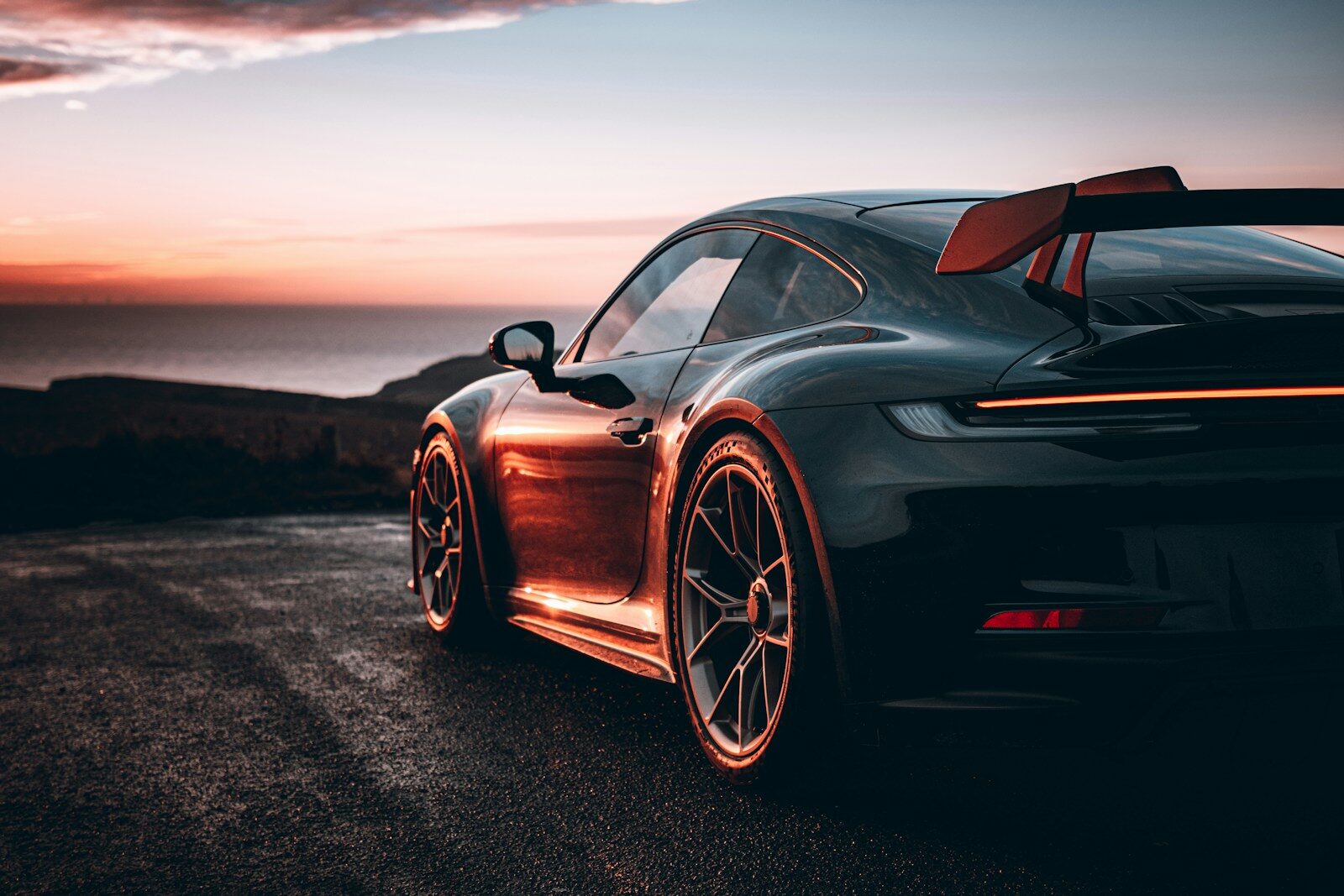
Porsche Flat 8 supercar
Porsche Flat 8 supercar
Anonymous
Key Points
1
Porsche previously tested a 5.0-liter twin-turbo flat-eight in a 718 Cayman prototype. The engine reportedly produced 750 horsepower and 738 lb-ft of torque, revved to 9,000 rpm and sent power to the rear wheels through a manual transmission, but the project was shelved because Porsche felt the timing was not right.
2
A production flat-eight S1 would draw on Porsche’s racing history, including the company’s H8 Formula One entrant from the early 1960s and the flat-eight engines used in its successful 908 sports-racing cars in the late 1960s and early 1970s.
3
Porsche has not produced a supercar since the 918 Spyder ended production in June 2015. A proposed 919 Street road car, based on the company’s LMP1 racer, reportedly never progressed beyond the clay-model stage.
4
The reported additional 4,100 job cuts are expected to be finalized by 2035 and would amount to roughly one-fifth of Porsche’s total workforce, on top of the 9,000 reductions previously announced.
5
The reported €500,000 starting price should not be converted directly into U.S. pricing: the German figure includes 19% value-added tax, which is not included in U.S. vehicle prices. The S1 would nevertheless cost about twice as much as a 911 GT3 RS in Porsche’s domestic market.
Porsche is developing a standalone flagship hypercar codenamed S1 powered by a flat-eight engine, marking the brand's return to the supercar market after nearly a decade. Autoevolution reports the car could debut to investors at Porsche's October 7 Capital Markets Day with a starting price around €500,000 (roughly $545,000 before U.S. taxes). The move signals Porsche's confidence in high-powered combustion engines even as the automaker faces weak EV demand and Chinese market pressures.
The S1 would be Porsche's first production road car with a flat-eight engine, drawing on the company's racing heritage from its 1960s Formula One program and 1970s sports-car victories. Yahoo Autos notes the hypercar could cost roughly twice as much as a 911 GT3 RS in Germany. The development comes as Porsche reportedly plans to cut 4,100 additional jobs by 2035 and reduce annual production to around 200,000 vehicles.
A Shelved Flat-Eight Finally Gets Its Moment
Porsche tested a 5.0-liter twin-turbo flat-eight in a 718 Cayman prototype that delivered 750 horsepower and 738 lb-ft of torque, revving to 9,000 rpm with rear-wheel drive and a manual transmission. The project was abandoned because company leaders felt the timing wasn't right. Motor Biscuit reports the S1 revival suggests Porsche now sees an opportunity for an exclusive, high-powered gasoline flagship that skips electric complexity.
Racing Legacy Meets Modern Hypercar Ambition
Porsche's flat-eight isn't new to the brand. The company's H8 Formula One engine from the early 1960s and the legendary flat-eight engines in the dominant 908 sports-racing cars of the late 1960s and early 1970s proved the configuration's performance potential. TorqueCafe reports the S1 will mark the first time the flat-eight reaches a production road car, cementing the hypercar's status as a high-speed heritage machine.
Returning to Supercars After Nearly a Decade Away
Porsche has not fielded a production supercar since the 918 Spyder bowed out in June 2015. A proposed 919 Street road car, derived from Porsche's Le Mans-winning LMP1 racer, never advanced beyond clay-model stages. CarBuzz reports the S1 represents a fresh commitment to ultra-exclusive, driver-focused machines at the peak of Porsche's lineup, with production likely kept to minimal numbers.
Cost Cuts Accompany the Flagship Dream
Behind the S1's debut lies cost pressure. Porsche plans to cut approximately 4,100 additional jobs by 2035—about one-fifth of its workforce—on top of 9,000 reductions already announced. Handelsblatt (via CarBuzz) confirms the automaker is targeting annual production of roughly 200,000 vehicles. The flat-eight hypercar serves as a prestige counterweight to job losses, underscoring management's bet on exclusivity and combustion performance over mass-market electrification.
Sentiment
Mostly PositiveNEGATIVENEUTRALPOSITIVE
Publishers
15
Articles
9
Reach
24
Topics
A
AnonymousAuthor