O’Neill Plans Celtic Tactical Overhaul After Defeats
O’Neill Plans Celtic Tactical Overhaul After Defeats
Anonymous
Key Points
1
O’Neill said Celtic have three of their first four Europa League fixtures at home and stressed the importance of rebuilding their home form, adding that the team would try to win the competition and that a defeat in the previous match provides “extra incentive.”
2
The Ferencváros match exposed growing dissatisfaction among supporters: about 3,500 tickets were reportedly still available for general sale shortly before kickoff, with supporters’ clubs also circulating spare tickets—an unusual situation for a European night at Celtic Park.
3
The four changes were specifically Viljami Sinisalo, Oliver Sørensen, Haissem Hassan and James Forrest replacing Sam Johnstone, Benjamin Nygren, Sebastian Tounekti and Kasper Høgh. O’Neill said Forrest had earned his start after making an impact as a substitute, despite uncertainty over whether the 35-year-old could last the full match.
4
One supporter analysis argued that Celtic’s central problem is not primarily the availability of attacking players but the midfield selection, saying the midfield would determine the Ferencváros game and warning that failure to correct the issue could suggest the coaching staff do not know how to fix it.
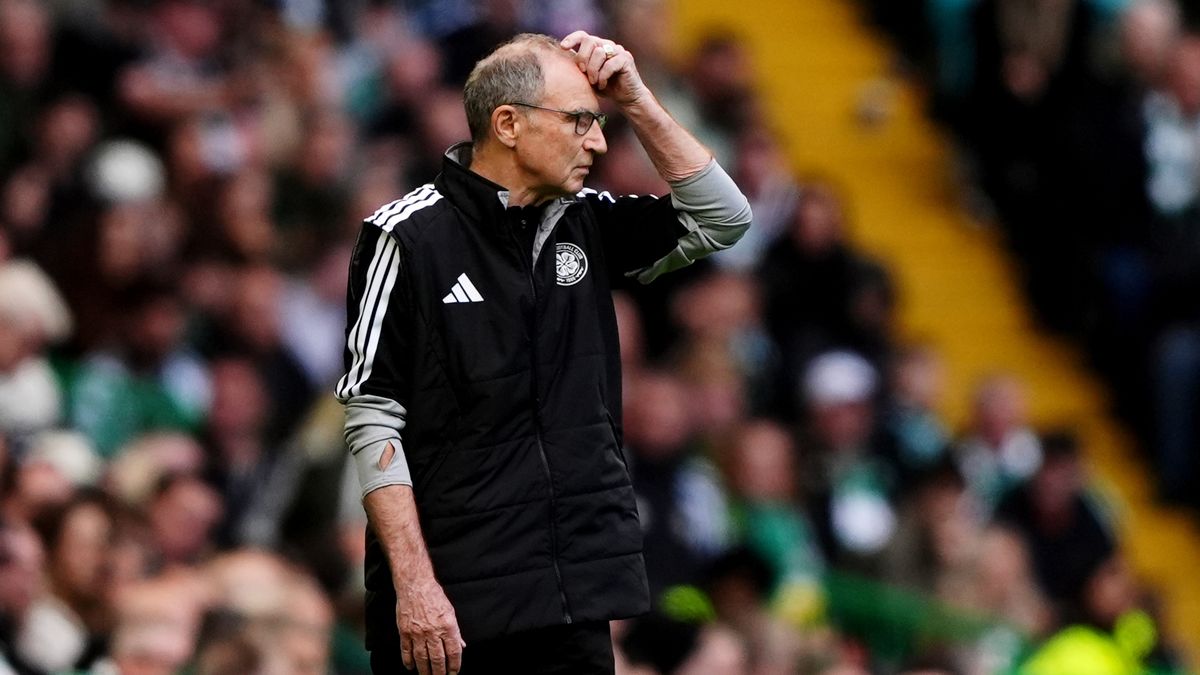
Martin O'Neill is planning a tactical overhaul at Celtic after back-to-back defeats to Rangers and Ferencváros left supporters frustrated and the team searching for answers. Celtic may abandon its long-standing 4-3-3 system, with O'Neill considering a switch to 4-4-2 and more direct attacking play instead of repeatedly recycling possession.
The losses have exposed deeper problems at Celtic Park. Ticket availability for the Ferencváros game hit unusual lows, with roughly 3,500 seats still on sale just before kickoff—a rare sign of weakened fan engagement for a European night. O'Neill stressed that three of Celtic's first four Europa League matches are at home and rebuilding form there is critical.Irish News
O'Neill Tests New Shape After Twin Defeats
In the Ferencváros match, O'Neill made four lineup changes and briefly switched to 4-4-2 in the second half. He gave 35-year-old James Forrest a rare start after the winger impressed as a substitute. Irish News reported O'Neill said Forrest earned the nod despite uncertainty over his fitness for the full 90 minutes. The tactical tweaks signal O'Neill is looking beyond Celtic's familiar 4-3-3 setup.
O'Neill acknowledged that changing ingrained team habits takes time. He wants Celtic to attack faster and more directly rather than constantly moving the ball sideways. The manager called the Ferencváros defeat "extra incentive" and stressed the importance of bouncing back at home in the Europa League.
Midfield Weakness Emerges as Central Problem
Supporter analysis points to the midfield as Celtic's main issue, not a lack of attacking talent. Critics argue the way O'Neill sets up the middle of the pitch determines outcomes—and current selections have failed to solve it. Some fans worry that if the coaching staff cannot fix this problem soon, it signals a deeper lack of tactical clarity about how to organize the team.
The four changes included Viljami Sinisalo, Oliver Sørensen, Haissem Hassan and James Forrest replacing Sam Johnstone, Benjamin Nygren, Sebastian Tounekti and Kasper Høgh. Each swap aimed to inject fresh energy, but the tactical foundation underneath remains the real question Celtic must answer.
Supporter Frustration Spills Into Empty Seats
The Ferencváros match exposed cracks in the usual Celtic Park atmosphere. About 3,500 tickets for general sale remained unsold shortly before kickoff—an unheard-of situation for a European night at the Glasgow club. Supporters' clubs were circulating spare tickets, signaling that even loyal fans questioned the team's form and direction.
The empty seats and missing voices added pressure on O'Neill to deliver results quickly. With Rangers and now Ferencváros both winning, Celtic faces growing calls to either change course or risk losing more ground in Scotland and Europe. O'Neill's willingness to experiment tactically may signal he hears the message.
Europa League Offers Chance to Rebuild Momentum at Home
O'Neill pointed out that Celtic host three of their first four Europa League matches, making the home stretch critical to tournament hopes. A fast start in the competition could rebuild confidence and fan faith. The manager said the team would "try to win" the competition—a clear statement of intent despite recent setbacks.
Back-to-back defeats have left little room for error. O'Neill's tactical openness—dropping 4-3-3, testing 4-4-2, embracing direct play—shows he is willing to adapt. Whether these changes stick or prove temporary will define the next few weeks and likely his tenure at Celtic.
Sentiment
Mostly NegativeNEGATIVENEUTRALPOSITIVE
Publishers
46
Articles
70
Reach
116
A
AnonymousAuthor


