Lawsuit Alleges Chavez Rape at UFW Compound
Lawsuit Alleges Chavez Rape at UFW Compound
Anonymous
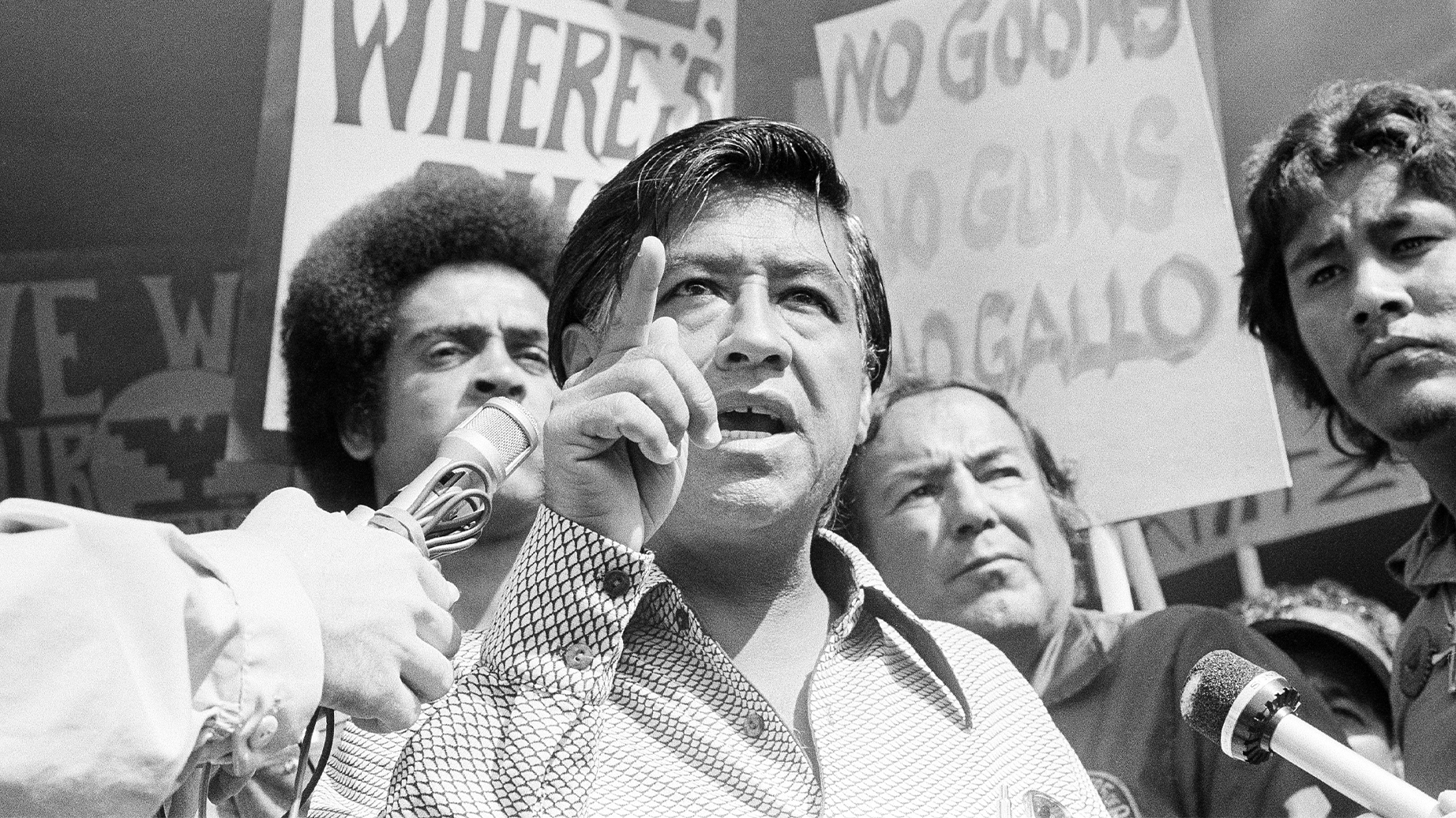
Key Points
1
The complaint was filed on Sept. 1 in Kern County Superior Court. It appears to be the first civil lawsuit arising from allegations made public in a March New York Times investigation into Chavez’s alleged abuse of girls and women in the farmworker movement.
2
The plaintiff had been involved in the movement for decades: she began volunteering in the late 1950s, met Chavez after graduating from college, worked for the United Farm Workers until 1983, and moved to the La Paz compound with her husband and children in 1970.
3
The lawsuit characterizes the internal UFW culture as a “cult of personality,” alleging that Chavez exercised “autocratic tendencies” and frequently purged employees he unilaterally deemed disloyal.
4
The complaint invokes several California legal claims beyond negligence and sexual-harassment allegations, including negligent supervision, negligent infliction of emotional distress, and alleged violations of the Bane Act and Unruh Act.
5
The UFW Foundation is a separate nonprofit founded in 2006 that advocates for farmworkers’ rights; the United Farm Workers union itself is not named as a defendant in at least one account, and the union declined to comment.
An 86-year-old woman filed a sexual assault lawsuit on September 1 in Kern County alleging that labor leader Cesar Chavez raped her in 1973 and assaulted her again years later at the United Farm Workers' La Paz compound near Bakersfield. LA Mag reports the complaint names Chavez's estate and affiliated nonprofits, accusing UFW leadership of knowing about the abuse, failing to stop it, and helping silence survivors. The allegations follow a March New York Times investigation into Chavez's alleged abuse within the farmworker movement.
The plaintiff worked for the United Farm Workers from the late 1950s until 1983 and lived at La Paz with her family starting in 1970, according to Bakersfield Now. She claims the alleged abuse caused decades of depression, emotional distress, suicidal thoughts, and alcohol dependency. Chavez died in 1993, and his lawsuit remains untested in court.
First Civil Case From Years of Abuse Claims
The lawsuit is believed to be the first civil case stemming from public allegations made against Chavez. Yahoo News reports that the complaint details multiple incidents at La Paz between 1973 and the late 1970s. The plaintiff's involvement in the farmworker movement spanned decades, beginning when she volunteered in the late 1950s and met Chavez after college.
The March New York Times investigation broke the silence on Chavez's alleged pattern of sexual abuse targeting girls and women within the movement. This lawsuit represents the first attempt to hold his estate and associated organizations legally accountable through civil court, testing whether institutions bear responsibility for what officials allegedly knew and ignored.
Allegations of a Cult-Like Leadership Culture
The complaint describes the UFW as operating under a "cult of personality" centered on Chavez, LA Mag reports. It accuses him of exercising "autocratic tendencies" and regularly firing employees he deemed disloyal. The lawsuit alleges that this power structure enabled abuse and allowed leadership to suppress complaints from survivors.
The case tests whether affiliated organizations — the Cesar Chavez Foundation and UFW Foundation — negligently supervised leaders and failed to address misconduct. ABC30 notes the complaint invokes California civil claims including negligent supervision, emotional distress, and violations of the Bane and Unruh civil rights acts. The United Farm Workers union itself is not identified as a defendant in reported accounts.
Institutions Reassess Chavez's Legacy Amid Legal Pressure
The allegations have begun reshaping how Chavez's historic role in farmworker organizing is publicly presented. The controversy separates his labor achievements from conduct within the movement, forcing institutions to reconsider commemorations and educational narratives. Public celebrations have already been affected by the scrutiny.
The Cesar Chavez Foundation said it is reviewing the complaint, while the UFW Foundation has not publicly responded. KMPH reports the case remains ongoing in court. Reputational consequences for Chavez's memory and the organizations bearing his name are likely regardless of the lawsuit's outcome, as legal proceedings will scrutinize the movement's internal power dynamics and institutional failures.
Sentiment
Mostly NegativeNEGATIVENEUTRALPOSITIVE
Publishers
15
Articles
66
Reach
81
A
AnonymousAuthor