North Korea Naval Expansion
North Korea commissions its second advanced destroyer as Kim Jong Un demands a nuclear-armed navy.
Anonymous
Key Points
1
The Kang Kon was damaged and partially capsized during its launch in May 2025, but was repaired and later tested under Kim Jong Un’s supervision in July, including trials of cruise missiles, naval artillery, machine guns and electronic-warfare systems.
2
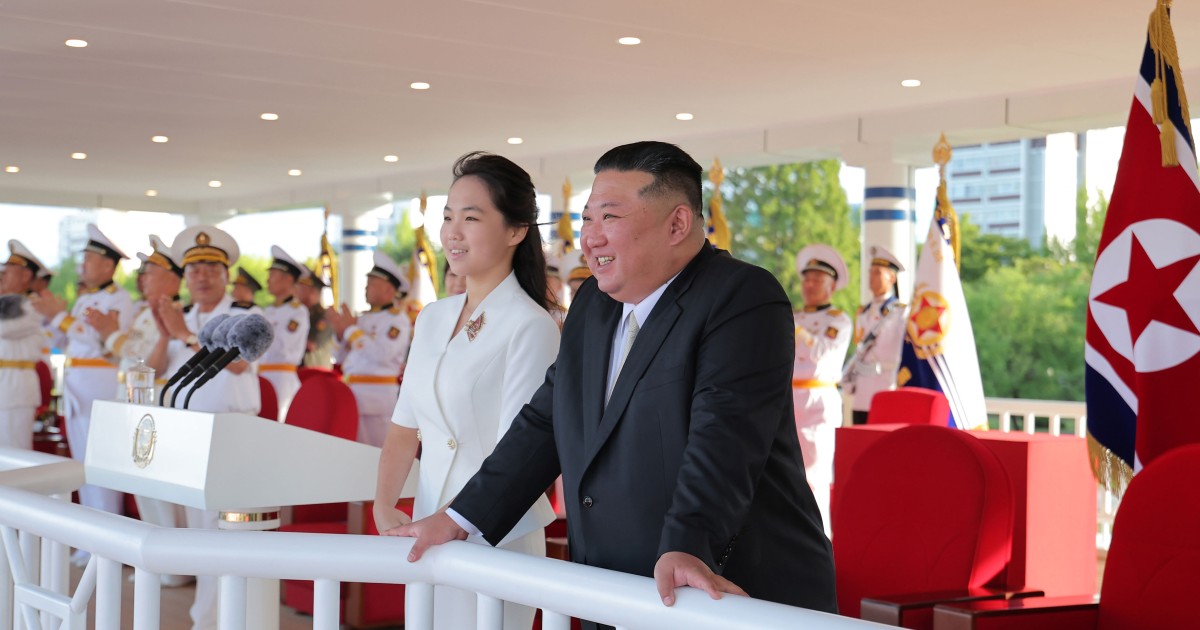
Kim attended the commissioning ceremony with his teenage daughter, Ju Ae, whom South Korea’s spy agency has described as his likely successor; state media images showed her touring the destroyer and posing with sailors.
3
The Freedom Edge exercises were established in 2023 in response to North Korea’s missile and nuclear threats, and are taking place in international waters east and south of Jeju Island through Friday.
4
The separate U.S.-South Korea Ulchi Freedom Shield exercise was reduced from 11 days to five days at Trump’s direction, citing its cost and his relationship with Kim; Pyongyang nevertheless condemned the scaled-back drills and has shown little sign of reciprocating Washington’s overtures.
5
Kim said the navy should make nuclear combat systems operational for an actual war and that the new-generation destroyer must be ready to deliver a “deadly retaliatory blow” whenever ordered as part of North Korea’s nuclear counteraction system.
North Korea commissioned its second advanced destroyer, the Kang Kon, with leader Kim Jong Un calling for a nuclear-armed navy capable of retaliatory strikes NBC News. The 5,000-tonne warship, reportedly equipped with nuclear-capable missiles, joins the Choe Hyon commissioned in June as Pyongyang's most advanced naval vessels Politico. Kim attended the ceremony with his teenage daughter, whom South Korea's spy agency considers his likely successor, signaling the importance he places on the military buildup.
The destroyer unveiling coincides with the Freedom Edge military exercise, where U.S., South Korean and Japanese forces are conducting drills near Jeju Island AJC. The timing reflects escalating tensions despite Washington's efforts to reduce allied exercises and restart diplomacy with Pyongyang, suggesting North Korea is using military pressure to extract greater diplomatic concessions.
A Damaged Launch Turned Into Strategic Display
The Kang Kon suffered damage and partial capsizing during its May 2025 launch but was repaired and tested under Kim's supervision in July NBC News. The destroyer underwent trials of cruise missiles, naval artillery, machine guns and electronic-warfare systems, demonstrating operational readiness. Kim's personal oversight and attendance at the commissioning ceremony underscore Pyongyang's intent to showcase military progress as central to regime legitimacy.
Nuclear Combat Systems Ready for Actual Warfare
Kim ordered the navy to make nuclear combat systems operational for a real war and declared the new destroyer must deliver a "deadly retaliatory blow" whenever ordered NBC News. The directive signals that North Korea views its naval nuclear force not as a symbolic deterrent but as a weapon intended for actual battlefield use. The emphasis on nuclear readiness reflects Pyongyang's broader strategy of expanding delivery platforms beyond land-based missiles to complicate allied defense planning.
Two Destroyers in Six Months Challenge Allied Forces
Commissioning the Choe Hyon in June and the Kang Kon now demonstrates Pyongyang's determination to field a nuclear-capable surface fleet Politico. The rapid pace signals that North Korea wants its nuclear forces to appear more survivable and operationally flexible. However, independent verification of the destroyers' actual capabilities remains impossible based on public reporting of their sensors, missile integration, training and sustained deployment capacity.
Why Scaled-Back U.S. Drills Failed to Win Restraint
The Trump administration reduced the separate Ulchi Freedom Shield exercise from 11 days to five days to lower costs and improve relations with Kim NBC News. North Korea rejected the concession and condemned even the scaled-back drills, showing no reciprocal restraint Politico. The rejection weakens the diplomatic value of unilateral exercise reductions and suggests Pyongyang may believe escalation produces more leverage than restraint, raising the risk of further military pressure and higher demands for sanctions relief or recognition of nuclear status.
Sentiment
Mostly NegativeNEGATIVENEUTRALPOSITIVE
Publishers
13
Articles
86
Reach
99
A
AnonymousAuthor


