Belfast Novichok False Alarm
Belfast Novichok Scare Triggers Emergency Response Before Authorities Confirm No Threat Exists
Anonymous
Key Points
1
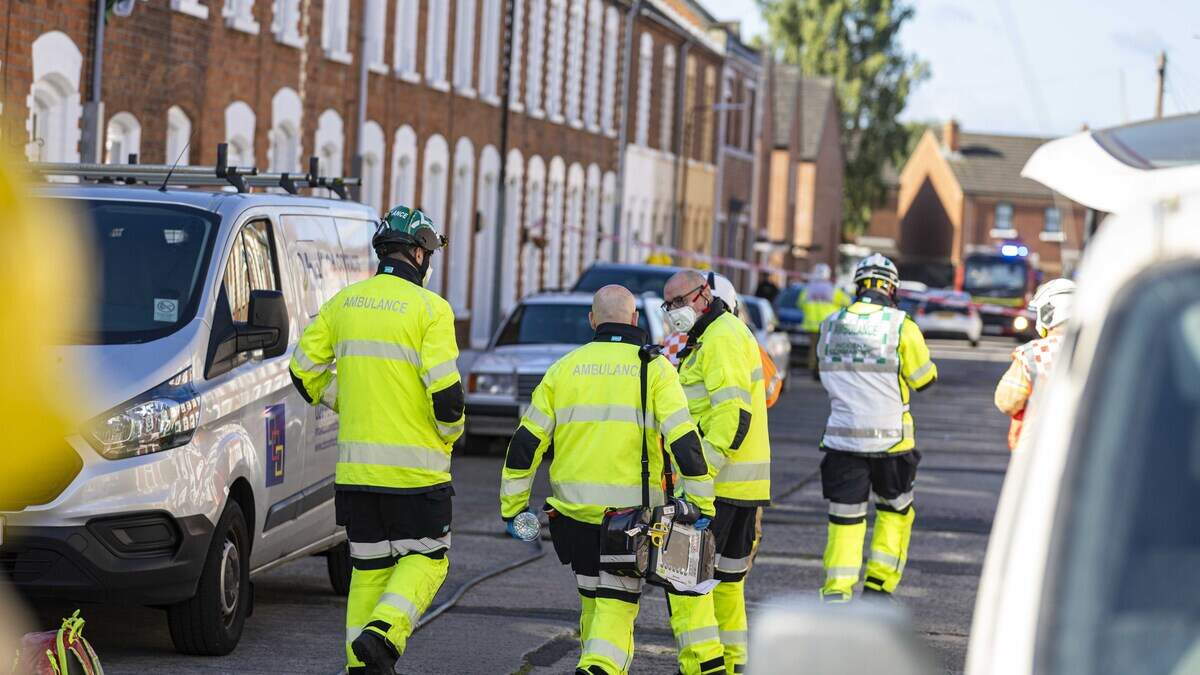
Emergency crews were called to the Harper Street property at approximately 10:15 a.m., and firefighters reportedly sprayed the residential street with water while inspecting the site.
2
Photographs from the scene showed firefighters wearing personal protective equipment and other emergency workers in hazmat suits during the response.
3
The PSNI said it was responding to “online speculation” about the incident and stressed that authorities did not believe there was a wider threat to the public.
4
The reports explained that Novichok is a family of nerve agents that blocks a key enzyme, causing the nervous system to go into overdrive; severe exposure can trigger uncontrolled muscle contractions, breathing failure and cardiac arrest.
Emergency services launched a major response in Belfast on Tuesday after a woman reported contact with Novichok, the Russian nerve agent, at a property on Harper Street in the Short Strand area. Firefighters, ambulances, and specialist teams in hazmat suits converged on the residential street around 10:15 a.m., with crews spraying the area with water while investigating. Belfast Telegraph reported that authorities later confirmed no Novichok was found at the site, and police stressed there was no wider threat to the public.
A Precautionary Evacuation After an Unverified Claim
The emergency response escalated quickly after the initial report, with authorities treating the claim seriously despite lack of confirmation. LBC reported that three ambulances and multiple fire appliances were deployed to the scene. Firefighters wore personal protective equipment while assessing the property, reflecting the extreme danger Novichok poses—even tiny amounts can cause severe harm. Residents were evacuated as a precaution while specialist teams gathered evidence.
This protective approach reflects lessons from past incidents. The Salisbury poisoning in 2018 showed how Novichok can linger on surfaces and contaminate everyday objects. A woman died after exposure from a perfume bottle that had been used as a weapon. That precedent encouraged responders to act fast and assume the worst until proven otherwise.
What Novichok Does to the Human Body
Novichok is a family of nerve agents developed by the Soviet Union. It works by blocking a key enzyme that controls nerve signals. Without this enzyme, the nervous system goes into overdrive, triggering uncontrolled muscle contractions and spasms. In severe cases, victims lose control of breathing and their heart stops beating. There is no antidote, only emergency medical support.
Police Reassure Public After Testing Finds No Agent
Once specialist teams completed their assessment, authorities scaled back operations and released the woman to hospital care. Belfast Telegraph reported that the Police Service of Northern Ireland (PSNI) stated firmly that no Novichok had been detected and the public faced no danger. The PSNI also said it was responding to 'online speculation' about the incident, suggesting rumors may have amplified the initial concern.
Police continue investigating how the woman came to believe she had contacted Novichok. The incident highlights the tension emergency services face: act immediately to protect people from a potential chemical attack, or risk missing a genuine threat. In this case, rapid response and quick testing allowed authorities to rule out danger while ensuring the woman received medical evaluation.
Sentiment
Mostly NegativeNEGATIVENEUTRALPOSITIVE
Publishers
12
Articles
5
Reach
17
A
AnonymousAuthor


