Strategic Partnership Expansion
South Korea and Kazakhstan Deepen Strategic Ties Amid Rising Russia-North Korea Alignment
Anonymous
Key Points
1
The South Korea–Kazakhstan partnership upgrade is the first change in the countries’ bilateral relationship since they established a strategic partnership in 2009. The agreement was reached during Kazakh President Kassym-Jomart Tokayev’s state visit to Seoul, ahead of the first summit involving South Korea and the five Central Asian nations.
2
South Korean President Lee Jae Myung described Kazakhstan as an important economic-security partner and said that “reliable partners in the international community have become more important than ever” amid geopolitical tensions, shifting supply chains and energy-security risks.
3
Ukraine’s military intelligence estimates that about 8,500 North Korean servicemen remain in Russia, organized into four brigades under Russia’s “North” Group of Forces and assigned to protect the Kursk region’s state border. South Korean analyst Yang Uk said some North Korean engineers or workers may also be in Russian-occupied Donbas, though not as combat troops.
4
North Korean forces reportedly suffered severe losses during their initial deployment: as many as 3,000 of the roughly 13,000 troops sent to Russia were killed. The BBC reported that the troops later adapted their tactics and helped Russian forces drive Ukrainian troops from the Kursk region.
5
South Korea’s Defence Intelligence Agency estimates that North Korea has sent more than 16,000 personnel to Russia since October 2024, supplied over 15 million artillery rounds and provided dozens of KN-23 and KN-24 ballistic missiles. North Korean leader Kim Yo Jong has dismissed claims that up to 50,000 additional soldiers could be deployed as “completely groundless.”
South Korea and Kazakhstan elevated their partnership to a comprehensive strategic alliance during a state visit to Seoul, marking the first upgrade since 2009. South Korean President Lee Jae Myung described Kazakhstan as an essential "economic security partner" as both nations expand ties in energy, critical minerals, nuclear power and technology amid growing geopolitical uncertainty.
The partnership upgrade comes as North Korea deepens military ties with Russia, with an estimated 8,500 North Korean troops currently deployed in Russia's Kursk region. Ukrainian military intelligence reports that North Korea has sent over 16,000 personnel to Russia since October 2024 and supplied more than 15 million artillery rounds, raising regional security concerns and potentially reducing Chinese influence over Pyongyang.
Seoul and Astana Forge Economic-Security Ties
Kazakh President Kassym-Jomart Tokayev arrived in Seoul on September 15 for the first state visit to South Korea in over a decade. The two nations signed 13 bilateral agreements covering energy cooperation, rare metals processing, nuclear technology and artificial intelligence development. Lee emphasized that "reliable partners in the international community have become more important than ever" amid supply chain shifts and energy risks.
The upgrade positions Kazakhstan as a critical supplier of crude oil and rare earth minerals to Seoul's conglomerates. South Korea is pursuing its "New Northern Policy" to diversify imports away from traditional suppliers and reduce vulnerability to geopolitical disruption. A follow-up South Korea–Central Asia Summit on September 16 established broader regional cooperation frameworks with all five Central Asian nations.
North Korea Expands Military Role in Russia's War
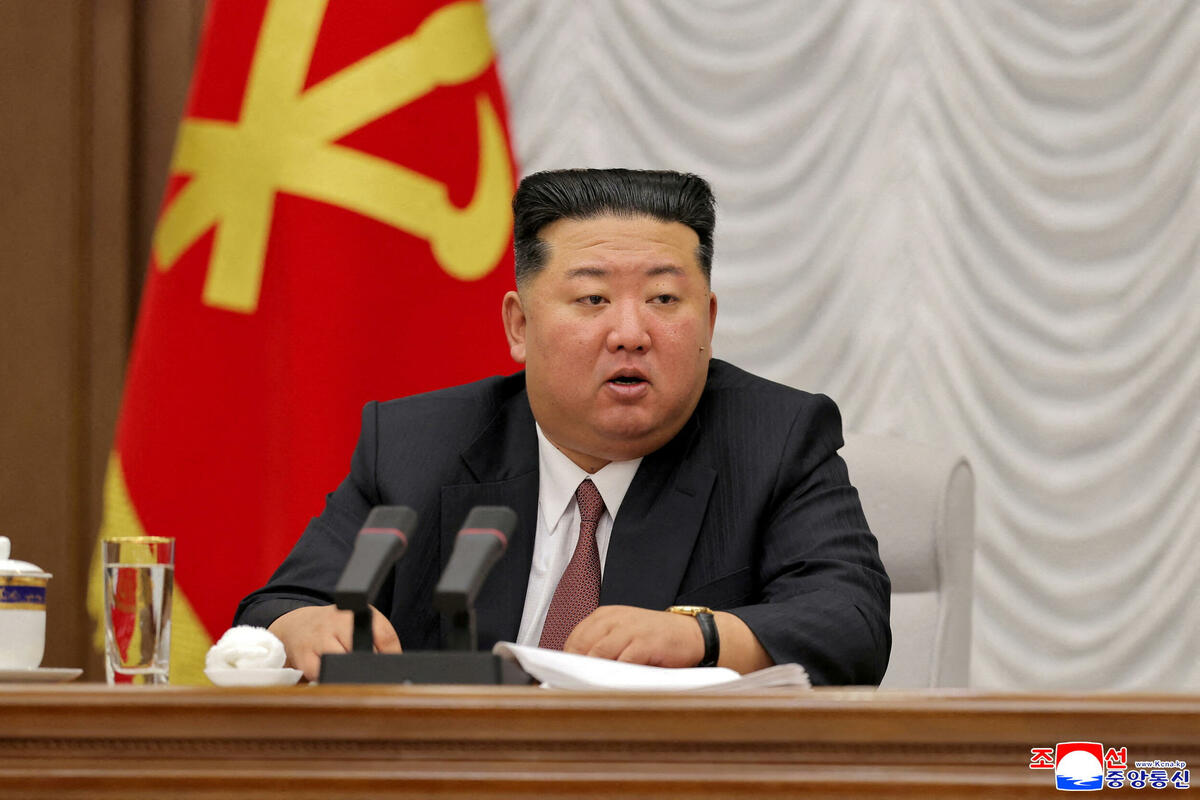
North Korean leader Kim Jong Un has pledged "unwavering support" to Russia and vowed to expand military cooperation. Ukrainian military intelligence estimates 8,500 North Korean servicemen remain in Russia, organized into four brigades supporting operations in the Kursk region. The BBC reported that initial deployments suffered heavy losses—as many as 3,000 killed from the roughly 13,000 troops initially sent—before units adapted tactics to help Russian forces recapture Ukrainian-held territory.
Beyond combat troops, South Korean analyst Yang Uk noted that North Korean engineers, drone operators and construction workers likely support Russian rear operations in occupied Donbas. South Korea's Defence Intelligence Agency estimates North Korea has supplied over 15 million artillery rounds and dozens of KN-23 and KN-24 ballistic missiles since October 2024. Russia has reciprocated with advanced military technology, food and oil shipments, creating an institutionalized military partnership rather than purely transactional arms deals.
Concerns Over Wider Deployment and Chinese Leverage
Reports suggest additional North Korean forces could be deployed to Russia, though neither Moscow nor Pyongyang has confirmed plans. North Korean official Kim Yo Jong dismissed claims of up to 50,000 additional soldiers as "completely groundless." Ukrainian and South Korean estimates diverge on total personnel numbers—the gap reflects the difficulty in verifying exact troop movements across the Russia–North Korea border and throughout occupied Ukrainian territories.
Beijing reportedly opposes a formal Moscow–Pyongyang–Russia military alliance, fearing it undermines Chinese diplomatic leverage over Pyongyang and could trigger tighter U.S.–South Korea–Japan security coordination. The deepening North Korea–Russia axis demonstrates how sanctions and isolation have driven Pyongyang toward closer strategic dependence on Moscow, while giving Russia critical manpower and munitions for its protracted war in Ukraine.
Sentiment
Mostly PositiveNEGATIVENEUTRALPOSITIVE
Publishers
27
Articles
54
Reach
81
A
AnonymousAuthor


