Abetment Charges Dropped
Bombay High Court Discharges Rahul Raj Singh In Pratyusha Banerjee Suicide Case
Anonymous

Key Points
1
Banerjee was 24 when she was found dead at the flat by Singh, who took her to hospital, where she was declared dead.
2
Banerjee’s parents also accused Singh of financial abuse, in addition to physical and emotional abuse.
3
When rejecting Singh’s discharge plea, the Dindoshi Sessions Court said cases involving human behaviour required examining each matter on its facts and considering the circumstances affecting both the accused and the deceased.
4
The Bombay High Court had granted Singh anticipatory bail in July 2016, months after Banerjee’s death.
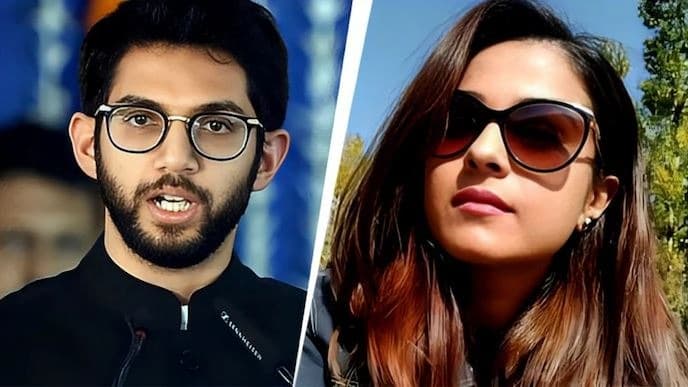
The Bombay High Court has discharged actor-producer Rahul Raj Singh from charges that he abetted television actress Pratyusha Banerjee's suicide, ending a nearly decade-long legal battle. India.com reports the court's decision came after examining a final phone call between the couple shortly before Banerjee's death in 2016, in which Singh appeared to be trying to dissuade her and said he was turning his car around to meet her. Banerjee, 24, was found dead at the flat Singh shared with her.
Banerjee's parents had accused Singh of physical abuse, emotional cruelty, and financial exploitation over several years. News9Live notes that despite a sessions court rejecting Singh's discharge plea in 2023, the High Court concluded there was insufficient evidence to proceed with the abetment charge. The court's decision marks a significant turn in a case that has consumed both families since Banerjee's death.
A Relationship Under Legal Scrutiny
Pratyusha Banerjee, known for her lead role in the television show Balika Vadhu, died by suicide on June 1, 2016, at age 24. IWMBuzz reports Singh found her and rushed her to a hospital, where she was pronounced dead. Banerjee's parents immediately blamed Singh, accusing him of sustained harassment, physical assault, and financial abuse that they said drove their daughter to take her own life.
Police filed charges against Singh for abetment of suicide, criminal intimidation, and assault. The Bombay High Court granted him anticipatory bail in July 2016, just weeks after Banerjee's death. For nine years, the case moved through India's judicial system as both sides presented evidence and arguments about Singh's role in Banerjee's final moments.
The Sessions Court's 2023 Rejection and Appeal
In 2023, Singh requested discharge from the case—a legal move asking the court to dismiss charges and end proceedings. The Dindoshi Sessions Court rejected his plea, ruling that cases involving human behavior require careful examination of each situation's specific facts and circumstances. Zoom TV Entertainment reports the sessions judge emphasized that both the accused's mental state and the deceased's circumstances needed thorough consideration.
Singh appealed the sessions court's decision to the Bombay High Court, arguing the evidence did not support the abetment charge. The High Court agreed with his argument, finding the prosecution's case insufficient. The court's discharge decision effectively ends the criminal proceedings without requiring a full trial or acquittal verdict.
The Final Phone Call That Shifted the Case
A crucial piece of evidence was the couple's last phone conversation before Banerjee's death. India.com reports the High Court examined this call and found that Singh was attempting to persuade Banerjee not to harm herself. According to the court, Singh told her he was turning his car around to reach her immediately, suggesting he was trying to prevent a tragedy rather than encourage one.
This phone recording became the linchpin in the High Court's reasoning. The judges concluded that Singh's words and actions in those final moments contradicted the abetment charge—which requires proving someone intentionally encouraged or assisted another person's suicide. Without evidence of encouragement, the legal foundation for the case crumbled.
Sentiment
Mostly NegativeNEGATIVENEUTRALPOSITIVE
Publishers
16
Articles
21
Reach
37
A
AnonymousAuthor