Kuwait Drone Intercepts
Kuwait Intercepts Iranian Drones, Reports Damage to Facilities Amid Escalating Gulf Tensions
Anonymous
Key Points
1
A Nepalese driver employed by a subcontractor of a Chinese company was killed in an Iranian attack in northern Kuwait earlier this week.
2
A tanker was struck by a projectile off the coast of Oman near the Strait of Hormuz, damaging the engine room and leaving the vessel unable to maneuver.
3
Civilian vehicles owned by a private company on Bubiyan Island were hit, with debris causing material damage.
4
The Kuwaiti army said air defense systems are actively engaging hostile drones following Iranian aggression, with explosions heard attributed to interceptions.
5
The incidents unfold amid renewed U.S.-Iran airstrikes and the emergence of a new Red Sea front involving Yemen's Houthis and Saudi Arabia, complicating regional security.
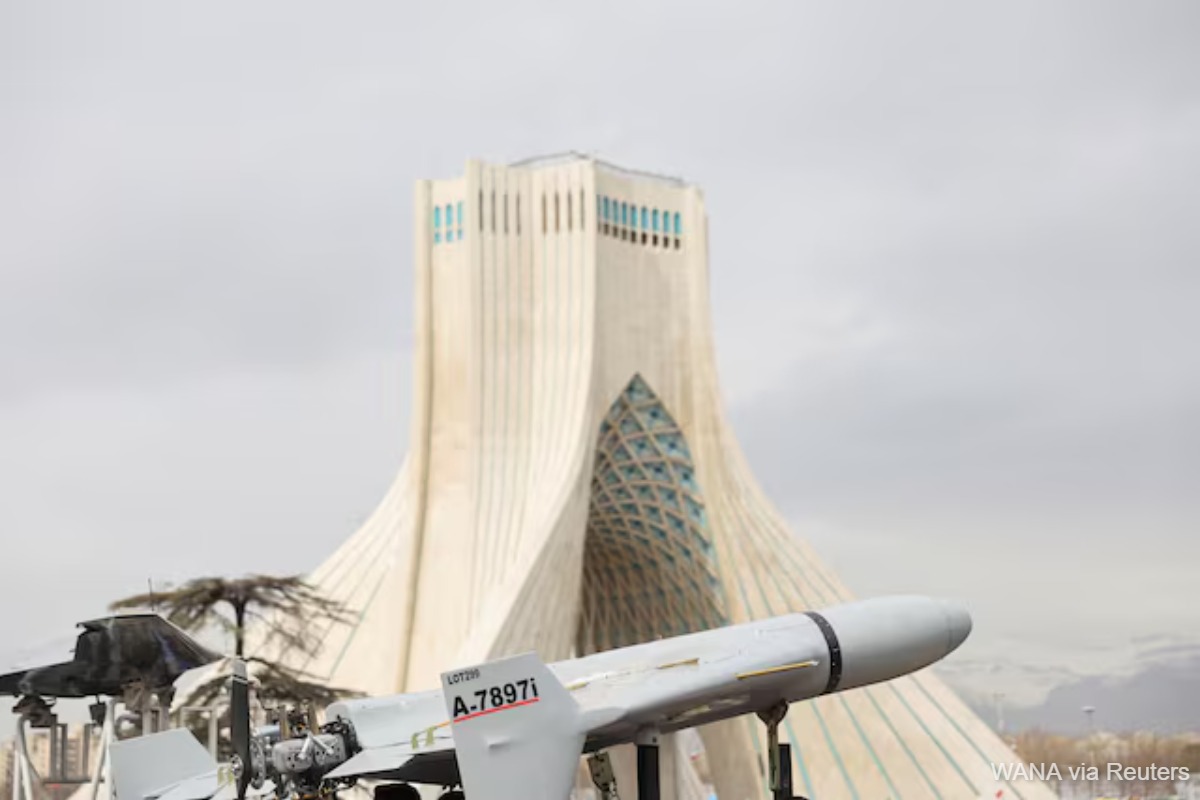
Kuwait's air defenses shot down multiple Iranian drones at dawn on Saturday, August 1, targeting vital infrastructure including a government facility on Bubiyan Island and civilian vehicles in northern Kuwait Kuwaiti Ministry of Defense. Debris from the intercepts caused material damage, but no casualties were reported in the strikes themselves — coming just two days after an Iranian drone killed a Nepalese worker at a Chinese-linked facility in northern Kuwait Yahoo News.
The attacks land as U.S. President Donald Trump weighs fresh strikes on Iranian energy infrastructure, warning from Camp David that the U.S. will hit Iran "very hard" The Edge Malaysia. The Gulf is now bracing for what analysts call its most dangerous escalation since the 2026 Iran War began on February 28.
Iranian Drones Strike Kuwait's Bubiyan Island at Dawn
Kuwaiti military radar detected the first wave of drones crossing into national airspace near midnight on July 31. By dawn on August 1, air defense forces were actively engaging and destroying them Munsif Daily. Colonel Saud Al-Atwan, spokesperson for the Kuwaiti Ministry of Defence, confirmed that intercepts neutralized threats aimed at a government facility in northern Kuwait and vehicles owned by a civilian company on Bubiyan Island.
Kuwait's Ministry of Foreign Affairs condemned the strikes as a "flagrant violation of Kuwait's sovereignty" and a "grave violation of international law and the UN Charter" Qatar News Agency. The Gulf Cooperation Council's Secretary-General Jasem Albudaiwi backed Kuwait fully, warning that the attack threatens collective GCC security. Officials urged residents to follow safety instructions and rely only on verified information.
A Nepalese Worker Killed, Two Tankers Hit Off Oman
On July 30, an Iranian drone struck a facility in northern Kuwait run by a subcontractor for a Chinese company, killing Som Kumar Tamang, 44, a driver from Nepal's Terhathum district Yahoo News. The Chinese Embassy confirmed no Chinese nationals were harmed. The Nepalese Embassy in Kuwait advised its citizens to strictly follow local security protocols.
The same morning on August 1, the UK Maritime Trade Operations agency reported two separate incidents off Oman near the Strait of Hormuz. A tanker was struck by an unknown projectile 11 nautical miles northeast of Lima, Oman, disabling its engine room and leaving it unable to maneuver Yemen Online. A second vessel, 21 nautical miles northeast of Khasab, reported a nearby explosion in the water.
Trump Threatens Energy Strikes as Iran Warns Gulf States
Speaking from Camp David on July 31, Trump said: "We'll be hitting them very hard. At some point, they're going to say, 'We just can't take it anymore.'" The Edge Malaysia. The Wall Street Journal reported the U.S. is weighing strikes on Iranian oil refineries and power plants. However, CBS News revealed that some advisers fear such strikes could spike global oil prices and worsen U.S. inflation ahead of midterm elections.
Iran's Major General Ali Abdollahi issued a blunt warning to Gulf neighbors: "Any country serving as a defensive shield for criminal and aggressive America will be engulfed by the flames of war" Munsif Daily. The U.S. executed a "heavy wave of strikes" on dozens of IRGC targets inside Iran on the night of July 30, just hours before the Kuwait drone campaign began.
Hormuz Crisis Triggers Worst Energy Disruption in History
The 2026 Strait of Hormuz crisis, triggered by Iran's retaliation after the war began February 28, has effectively blocked a waterway that normally carries 25% of the world's seaborne oil and 20% of global liquefied natural gas. The International Energy Agency called it the "largest supply disruption in the history of the global oil market" Yahoo News. Global fuel shortages and panic buying have followed.
The Federal Reserve Bank of Dallas warned that prolonged conflict involving Iranian infrastructure strikes could raise inflation by 1.25 percentage points, risking stagflation in Western economies. Ceasefire efforts by Pakistan, Qatar, and Egypt remain stalled. Analysts at the Stimson Center say the tit-for-tat cycle is now "increasingly difficult to de-escalate" Yemen Online.
Sentiment
Mostly NegativeNEGATIVENEUTRALPOSITIVE
Publishers
33
Articles
33
Reach
66
Topics
A
AnonymousAuthor