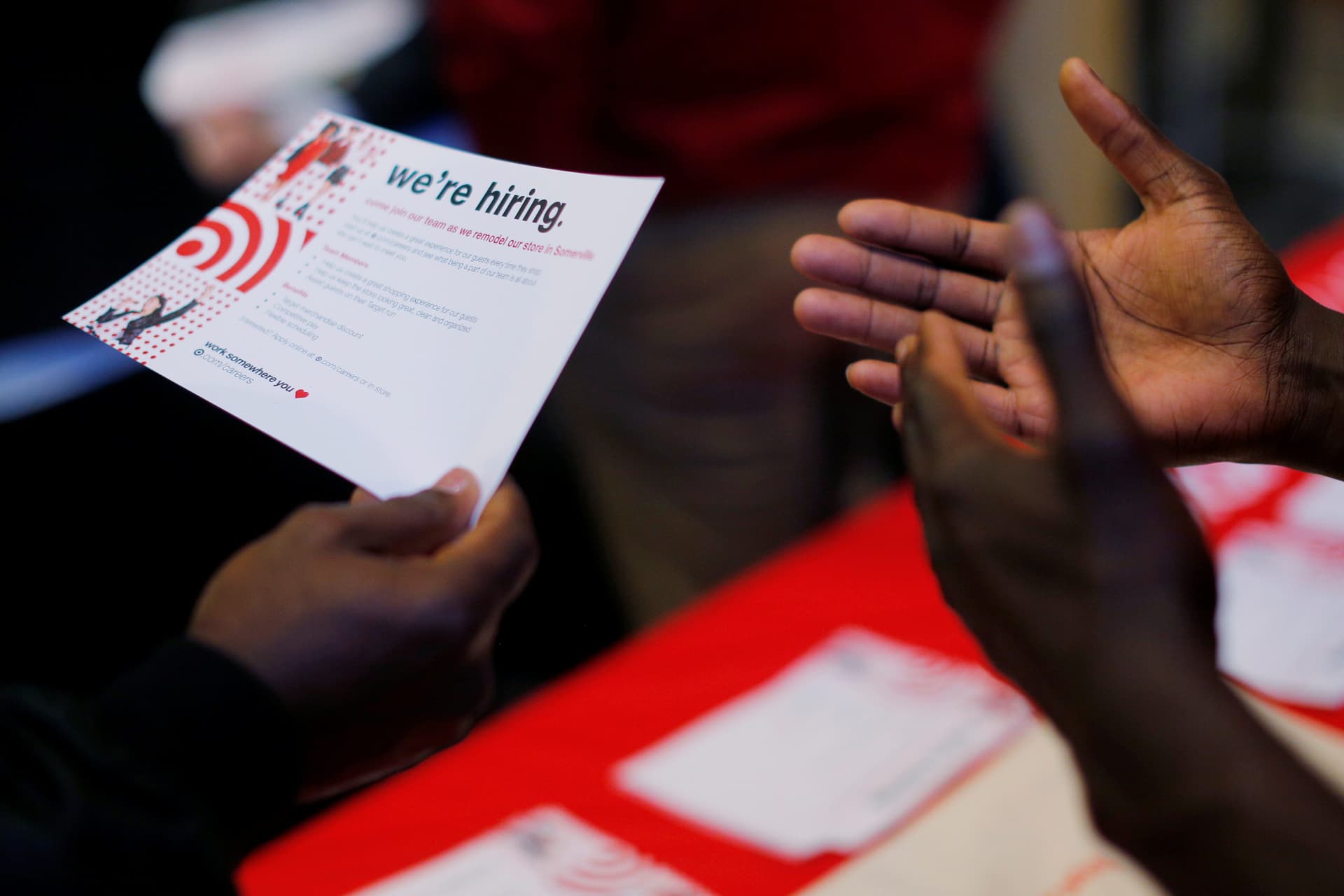
Strong Jobs Report
US Stocks Fall and Treasury Yields Rise Following Strong Jobs Report
Anonymous

Key Points
1
The unemployment rate held steady at 4.1%, matching economists’ expectations, even as payroll growth significantly exceeded forecasts.
2
Market strategists cautioned that the jobs report could signal renewed wage pressure: Josh Stevens of CresAlta Investment Management said that continued employment strength could lead to higher wages and attract the Federal Reserve’s attention.
3
Inflation concerns were compounded by diesel prices reaching a record $5.85 per gallon, while oil prices remained elevated amid renewed fighting involving the United States, Israel and Iran and uncertainty over traffic through the Strait of Hormuz.
4
The labor market outlook remains constrained by worker shortages linked to the retirement of baby boomers, immigration restrictions under President Donald Trump’s administration and businesses’ increasing use of technology to perform tasks previously done by people.
5
Beyond the United States, Volkswagen shares jumped more than 8% after the automaker said management and unions had agreed to eliminate 100,000 jobs by the end of the decade, as the company confronts tariffs, weak electric-vehicle demand and intensifying Chinese competition.
U.S. stocks fell as employers added 162,000 jobs in August, far more than expected, raising the odds of a Federal Reserve rate hike in September. Business News reported that markets now see a 50% to 65% chance the Fed will raise rates at its next meeting. Treasury yields climbed, with the two-year yield jumping sharply as traders braced for tighter monetary policy.
The strong labor report unsettled investors who hoped a weakening job market might convince the Fed to hold interest rates steady. The unemployment rate stayed flat at 4.1%, matching expectations, but the surge in hiring signaled economic resilience that could feed inflation. Arkansas Online noted that next week's inflation data will likely determine whether the Fed actually moves forward with a rate hike.
Jobs Growth Signals Wage Pressure Ahead
The 162,000 new jobs revealed a labor market that refuses to cool. Hot SR reported that the jobs report "unexpectedly" beat forecasts, stunning analysts who expected slower hiring. Josh Stevens of CresAlta Investment Management warned that sustained employment strength could push wages higher — exactly what would grab the Fed's attention and justify rate increases.
Wage pressure matters enormously to inflation-fighting. When workers earn more, they spend more, which pushes prices up. The Fed watches wage data closely because it signals whether inflation will stick around. A resilient job market means companies keep hiring, which keeps wage pressure alive.
Oil Shocks Compound Inflation Concerns
Energy costs are adding fuel to inflation worries. Diesel prices hit a record $5.85 per gallon, while oil remained elevated. The surge stems from renewed fighting involving the United States, Israel, and Iran, plus uncertainty over shipping through the Strait of Hormuz — a chokepoint for global oil supplies.
Higher fuel costs ripple through the entire economy. Trucks that deliver goods cost more to operate. Shipping becomes pricier. These costs eventually reach consumers at checkout counters. The Fed knows this, which is why energy shocks matter when deciding whether to hike rates.
Tech Stocks Offer Modest Support
Technology shares provided some cushion to market losses, preventing a steeper decline. NWA Online reported that the broader stock market still retreated despite tech gains. Most other sectors struggled as investors shifted money into bonds and away from stocks.
Retail stumbled with Lululemon plunging after cutting its full-year profit outlook. The apparel maker's warning suggested consumer spending could be weakening — a potential relief for inflation fighters but a headwind for stock investors betting on continued economic strength.
Global Labor Markets Shift Under New Pressures
The U.S. is not alone in grappling with labor-market changes. Volkswagen shares jumped over 8% after the German automaker announced plans to cut 100,000 jobs by decade's end. Management and unions agreed on the cuts as the company tackles tariffs, weak electric-vehicle demand, and fierce Chinese competition.
Back in the U.S., the labor market faces its own structural headwinds. Baby boomer retirements drain workers from the pool. Immigration restrictions under President Trump limit newcomers. Businesses increasingly use technology to replace human workers. These forces will gradually shrink available workers even if job openings remain plentiful.
Sentiment
Mostly NegativeNEGATIVENEUTRALPOSITIVE
Publishers
16
Articles
160
Reach
176
A
AnonymousAuthor