AI Voice Revival
Netflix Uses AI to Recreate Gene Wilder's Voice for New Competition Series
Anonymous
Key Points
1
The series premiered on Sept. 23 and places 12 Golden Ticket winners in a factory setting, where they compete in games inspired by both the 1971 film and Roald Dahl’s novel.
2
The trailer introduces the synthetic voice with the line, “For the first time in decades, I’m opening my beloved chocolate factory,” framing the AI recreation as if Wilder’s Wonka were speaking directly to viewers.
3
Critics have questioned why Netflix did not hire a living voice actor or impressionist instead, arguing that the AI version lacks the emotion, depth and subtle shifts between menace and warmth associated with Wilder’s performance.
4
Peter Ostrum, who played Charlie Bucket, said the original film initially received lukewarm attention and later became a cult classic through television and home-video exposure; he now earns only about $8 to $9 in royalties every three months from television broadcasts.
5
The AI controversy has been compared with the backlash over a cloned Stan Lee voice, suggesting that objections to posthumous synthetic performances extend beyond the Wonka project.
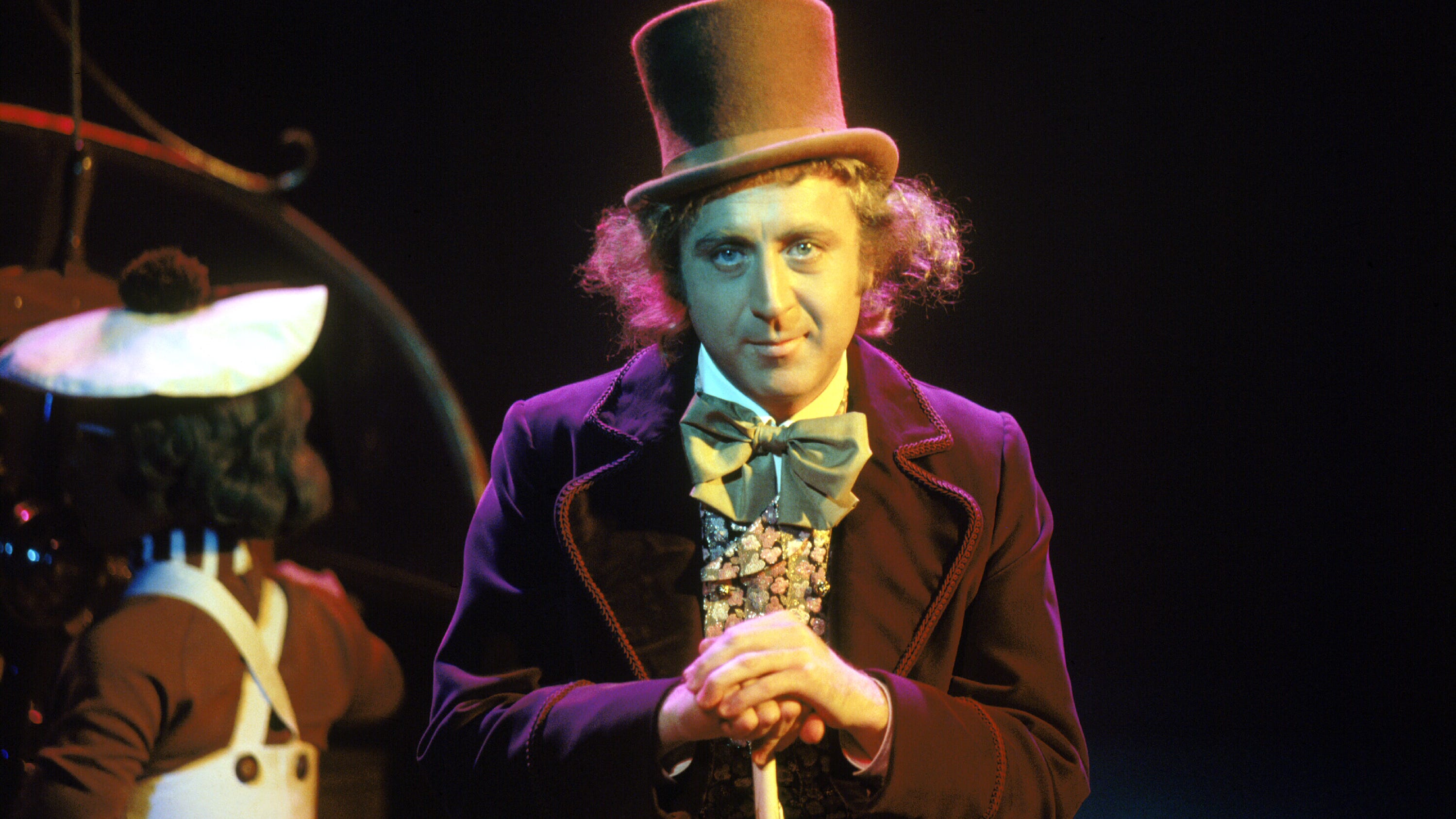
Netflix's new competition series "Wonka's Golden Ticket" features an AI-recreated voice of Gene Wilder, the late actor who played Willy Wonka in the 1971 film. USA Today reports the show premiered September 23 and places 12 contestants in a rebuilt chocolate factory to compete in games inspired by the original movie. Wilder's widow and estate approved the synthetic voice, calling it a tribute, but critics say legal permission does not settle debates about artistic authenticity and the ethics of posthumous AI performances.
The AI-generated voice narrates the trailer with the line "For the first time in decades, I'm opening my beloved chocolate factory," framing it as if Wilder were speaking directly to viewers decades after his death in 2016. Yahoo News notes that critics question why Netflix did not hire a living voice actor or impressionist instead, arguing the synthetic version lacks the emotional depth, warmth and menace that defined Wilder's original performance.
Wilder's Estate Approves the AI Reconstruction
Netflix partnered with ElevenLabs, a voice-AI company, to recreate Wilder's voice for the narration. The actor's widow and estate gave their consent, framing the project as a way to honor his legacy and bring his iconic character back to life. However, legal approval from the family does not resolve concerns about whether using an actor's synthetic voice—without new creative input—respects the craft of acting and the nuance that made the original performance unforgettable.
Critics Question Why AI Replaced a Living Voice Actor
Many reviewers argue that Netflix had alternatives. The studio could have hired a skilled impressionist or a new voice actor to channel Wilder's spirit, preserving room for creative interpretation. Instead, the AI voice plays a lifeless version of Wilder's performance, one that USA Today describes as "skin-crawling." Critics say it lacks the subtle shifts between menace and whimsy that made Wilder's Wonka so memorable and complex.
The Show Pairs AI Narration With One Original Cast Member
The series does bring back Rusty Goffe, who performed as an Oompa Loompa in the 1971 film. Goffe's participation adds a thread of authenticity and direct continuity to the project. However, the presence of one surviving original cast member only highlights the absence of others—and raises the question of how much of the show's magic depends on real human connection versus technological shortcuts that feel hollow.
A Wider Debate Over Posthumous Synthetic Voices
The Wonka controversy echoes earlier backlash over a cloned voice of Stan Lee. The pattern suggests that audiences and critics are growing skeptical of using AI to resurrect the likenesses of dead actors for commercial projects. Even with family permission, the use of synthetic voices raises ethical questions: Does consent from an estate truly honor the actor's artistic legacy, or does it simply exploit their name and image for profit? The debate will likely shape how studios approach such projects in the future.
Sentiment
Mostly NegativeNEGATIVENEUTRALPOSITIVE
Publishers
16
Articles
14
Reach
30
A
AnonymousAuthor


