Autonomous Drone Warfare Expansion
U.S. Air Force Plans Major Expansion of Autonomous Drone Fleet for Future Conflicts
Anonymous
Key Points
1
The Air Force has officially designated General Atomics’ CCA as the FQ-42A Vengeance and Anduril’s aircraft as the FQ-44A Fury. It has requested $996.5 million for fiscal 2027 to begin Increment 1 procurement and previously estimated a target cost of about $30 million per aircraft, roughly one-third the price of an F-35.
2
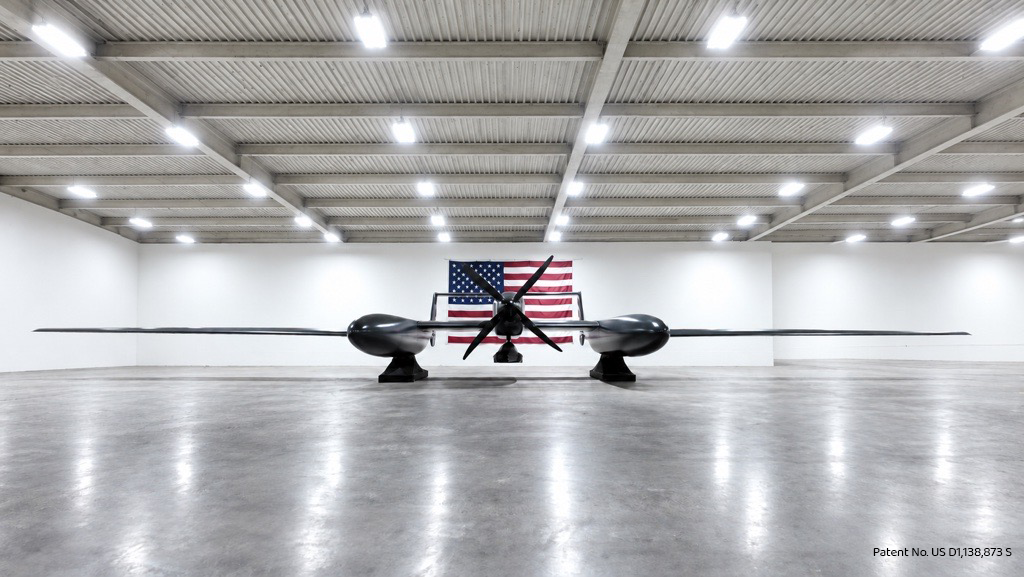
Swarm Aero says its proposed Gamera aircraft would have a wingspan of about 72 feet, more than 2,800 pounds of payload capacity and an unrefueled range of 9,000 nautical miles. The company specifically designed it to carry bomber-class weapons such as LRASM and JASSM-ER missiles.
3
The Eastern European drone contest is driving an arms race in frequency-hopping, software-defined radios and autonomous terminal targeting because electronic warfare can disrupt both command-and-control links and satellite-navigation signals. The article says many FPV and loitering-munition systems cost only about $400 to $2,000 each.
4
The British Army’s Halo Shield trial recorded 29 drone-position alerts during its first 17 days of live monitoring, with detections at distances of up to 5 kilometers. The system combines Dedrone and Quell radio-frequency and optical sensors, but its active effectors have not been installed because of UK safety and policy requirements.
5
The Air Force’s cargo-aircraft concept is intended to provide a three-part capability: high-altitude intelligence, surveillance and reconnaissance; autonomous defense of bases and parked aircraft; and self-protection for mobility aircraft operating in contested airspace. The solicitation cites a 2021 DARPA demonstration in which a C-130 recovered an X-61A Gremlin drone in midair and also mentions possible KC-135 tanker launch operations.
The U.S. Air Force is rapidly expanding its military drone programs on multiple fronts. It plans to field at least 500 Collaborative Combat Aircraft by 2032, using uncrewed fighter-like systems from General Atomics and Anduril to extend the reach of manned aircraft. The service has officially designated General Atomics' system as the FQ-42A Vengeance and Anduril's as the FQ-44A Fury, with a request of $996.5 million for fiscal 2027 to begin initial procurement.
The Air Force is also exploring cargo planes and tankers as launch platforms for autonomous drone swarms that could provide reconnaissance, defend bases, and protect aircraft in contested airspace. Meanwhile, a California company called Swarm Aero has unveiled Gamera, a proposed long-range aircraft designed to carry heavy missiles and operate in low-cost swarms. Recent experience in Eastern Europe underscores the urgency of these efforts, as inexpensive attack drones have reshaped battlefield operations.
Air Force's Fighter Drone Program Reaches Key Milestone
The Collaborative Combat Aircraft program represents a major shift in how the Air Force will fight. Each CCA costs roughly $30 million, about one-third the price of an F-35 fighter jet. The Air Force requested $996.5 million for fiscal 2027 to start buying the first batch. General Atomics and Anduril are competing to supply these uncrewed systems that will fly alongside manned fighter jets and extend their combat range.
These drones will perform multiple roles: conduct surveillance, engage enemy targets, and protect other aircraft. By 2032, the Air Force aims to have at least 500 CCAs operational. The lower cost and ability to replace manned aircraft in dangerous missions make them attractive to military planners facing budget constraints and pilot shortages.
Swarm Aero's Gamera: A Cheaper Missile-Carrying Drone
Swarm Aero announced Gamera, a new large unmanned aircraft designed to operate in cheap swarms. According to the company, Gamera will have a 72-foot wingspan, carry more than 2,800 pounds of payload, and fly 9,000 nautical miles without refueling. The company specifically designed it to carry heavy bomber-class weapons like LRASM and JASSM-ER missiles.
Swarm Aero claims its aircraft will cost roughly $10 million each, far less than traditional military jets. However, these performance and cost figures come directly from the company and have not been independently verified. The aircraft represents a new category of low-cost, long-range drones aimed at replacing expensive manned bombers for certain missions.
Eastern Europe Drone War Drives New Military Technology
The conflict in Eastern Europe has shown how effective cheap drones are in modern warfare. Inexpensive attack and reconnaissance drones costing only $400 to $2,000 each have reshaped how battles are fought. Both sides are investing heavily in frequency-hopping radios and autonomous targeting systems to overcome electronic warfare attacks that disrupt command links and GPS signals.
This arms race between drone autonomy and electronic warfare is accelerating. The U.S. military is watching closely and racing to develop its own advanced drone swarms and counter-measures. The low cost and high effectiveness of these systems is forcing traditional militaries to rethink how they plan and fight.
British Army Tests New Drone Detection System
The British Army is testing Halo Shield, a new counter-drone system that combines radio-frequency and optical sensors to detect nearby aircraft. During its first 17 days of live monitoring, the system recorded 29 drone-position alerts, with detections at distances of up to 5 kilometers. The system uses sensors made by Dedrone and Quell to track drones across multiple detection methods.
However, the system currently lacks active interceptors because of UK safety and policy requirements. Operators can only detect and track drones, not shoot them down. Military officials say solving the counter-drone challenge requires both detecting targets and having the legal and technical means to eliminate them safely.
Sentiment
Mostly PositiveNEGATIVENEUTRALPOSITIVE
Publishers
20
Articles
24
Reach
44
A
AnonymousAuthor


