South Korea Begins Flu Vaccinations Amid Early Epidemic
South Korea Begins Flu Vaccinations Amid Early Epidemic
Anonymous
Key Points
1
The influenza-like illness rate was based on surveillance from approximately 800 outpatient medical institutions and was defined as a fever above 38°C accompanied by a cough or sore throat.
2
Children eligible for vaccination include those born between January 1, 2012, and August 31, 2026, and may receive the vaccine regardless of how many doses they require.
3
The vaccination schedule was moved earlier in response to the unusually early influenza epidemic. People are advised to remain at the vaccination site for 20 to 30 minutes afterward to monitor for adverse reactions.
4
The air-pollution study analyzed nationwide weekly PM2.5 measurements alongside laboratory-confirmed influenza data from 2015 through 2025, excluding 2020-2022 because COVID-19 restrictions sharply reduced flu transmission.
5
Researchers from Yonsei University, Jeju National University and South Korea’s National Institute of Environmental Research investigated whether severe PM2.5 episodes could precede influenza waves by five or six weeks, rather than merely coinciding with infections after a delay of several days.
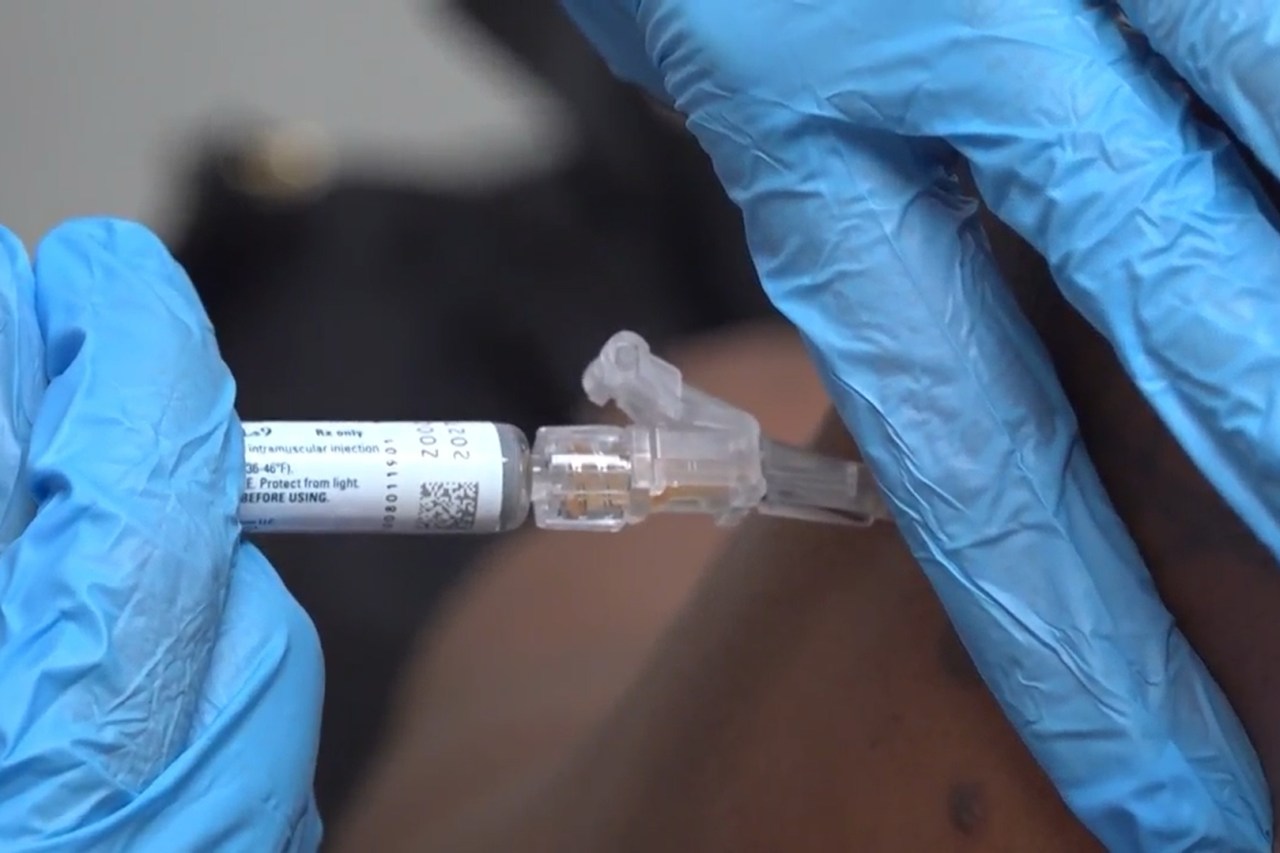
South Korea launched its flu vaccination program on September 21 as the country battles an unusually early influenza outbreak. Children ages 6 months to 14 and pregnant women became eligible first, with older adults joining in phases starting October 6. Health authorities recorded an influenza-like illness rate of 31 per 1,000 outpatients — 4.6 times higher than the same period last year.
The accelerated vaccine rollout reflects mounting concern over the early surge. Vaccinations will be available at designated clinics and public health centers nationwide. A separate study also found that severe air pollution episodes may trigger flu waves weeks later, suggesting environmental factors play a role in respiratory disease timing.
An Unusually Early Flu Outbreak Spreads
South Korea is facing a flu epidemic far ahead of normal seasonal patterns. The influenza-like illness rate hit 31 cases per 1,000 outpatients in early September. This level is 4.6 times higher than what health officials recorded during the same period in 2024. The surge prompted authorities to move up vaccination timelines and accelerate the immunization campaign across the country.
Phased Vaccination Schedule for All Age Groups
The government opened vaccination to children born between January 1, 2012, and August 31, 2026, plus pregnant women starting September 21. Older adults will follow in staggered waves: those 75 and older begin October 6, ages 70 to 74 on October 12, and ages 65 to 69 on October 15. High-risk people may qualify starting October 6 after consulting a doctor. Recipients should bring identification and stay at the clinic for 20 to 30 minutes to monitor for adverse reactions.
Air Pollution May Fuel Flu Outbreaks Weeks Later
Researchers from Yonsei University, Jeju National University, and South Korea's National Institute of Environmental Research discovered a striking pattern: severe PM2.5 pollution episodes may precede influenza waves by five to six weeks. The team analyzed nationwide weekly PM2.5 measurements alongside lab-confirmed flu data from 2015 through 2025, excluding 2020 to 2022 when COVID-19 restrictions sharply reduced flu transmission. The finding adds evidence that air quality influences respiratory disease patterns beyond just coinciding with illness surges.
Sentiment
Mostly NegativeNEGATIVENEUTRALPOSITIVE
Publishers
20
Articles
12
Reach
32
A
AnonymousAuthor


