Chinese AI's US Growth
Chinese AI Models Gain Traction in US Market with Lower Costs and Enhanced Intelligence
Anonymous
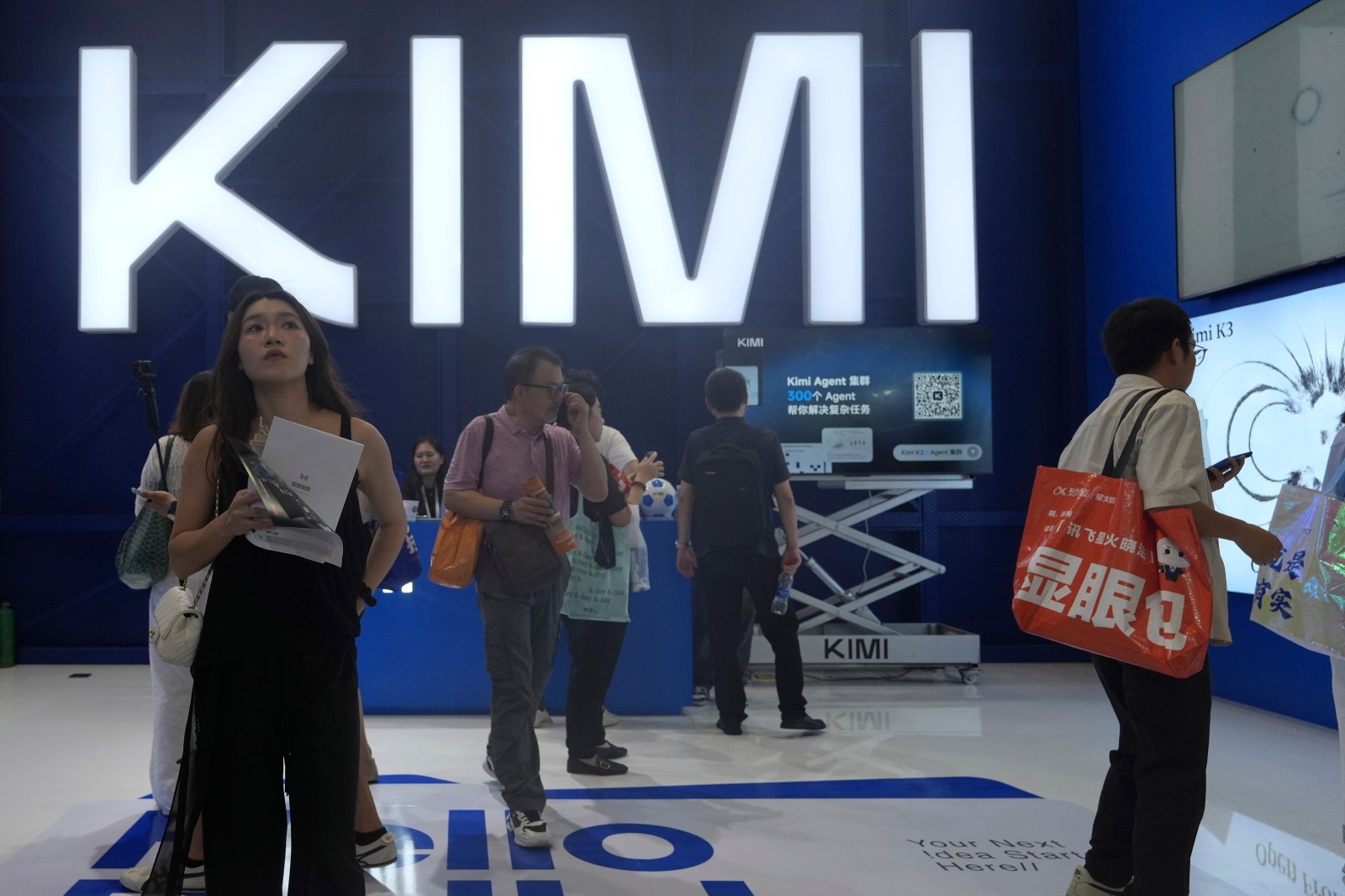
Chinese AI models are breaking into the U.S. market — and American tech leaders are taking notice. Raffi Krikorian, chief technology officer at Mozilla, switched to Chinese startup Moonshot's Kimi K2 model for many of his daily tasks within days of its launch, according to Winnipeg Free Press.
The shift reflects a broader trend. U.S. companies are choosing Chinese AI tools — from startups like DeepSeek, Moonshot, and others — because they are cheaper to run, increasingly capable, and in many cases open-source, meaning anyone can use and modify them freely, WRAL reported.
Mozilla's CTO Ditches Claude for Chinese AI
Krikorian had been using Claude, a chatbot made by San Francisco company Anthropic, for his daily work. But after Moonshot launched Kimi K2, he made the switch fast. The model matched Claude's quality — at a fraction of the cost. Within days, he was using K2 as his primary AI tool, according to Winnipeg Free Press.
Krikorian is not alone. More U.S. executives and developers are making similar moves, drawn by lower prices and strong performance, Jones Boro Sun reported. Chinese models are proving competitive with top American AI products — without the premium price tag.
Coinbase and Other U.S. Firms Cut Costs With Chinese Models
It's not just individual tech leaders switching. Coinbase, one of the largest cryptocurrency exchanges in the U.S., has moved some of its AI workloads to Chinese models to reduce costs, according to WRAL. Companies are under pressure to keep AI spending in check, and Chinese models offer a real alternative.
The appeal is simple: similar output, lower price. Open-source Chinese models let companies download and run the software themselves. That removes expensive API fees — the per-use charges companies pay to access AI through the internet. For high-volume users, the savings add up fast, Jones Boro Sun noted.
DeepSeek's January Shock Sparked the Rush
The surge in interest traces back to January, when Chinese startup DeepSeek released a model that stunned the AI world. It matched top U.S. models in performance but cost far less to build and run. The release rattled stock markets and forced American AI companies to defend their pricing, Stamford Advocate reported.
DeepSeek's release marked a turning point. Before it, most experts assumed U.S. companies held a commanding lead in AI. After it, that assumption crumbled. The gap between Chinese and American AI closed faster than almost anyone predicted, according to Stamford Advocate.
Independent Developers Are the Big Winners Here
Chinese AI models are especially attractive to independent software developers — people building apps and tools on their own, without big company budgets. Cheaper, open-source models let small developers build products that would have cost far more just a year ago, Jones Boro Sun reported.
The trend puts pressure on U.S. AI giants like OpenAI and Anthropic to justify their higher prices. Some large U.S. tech firms have pushed back on the rise of Chinese models, citing security and data concerns. But for developers focused on cost and performance, those arguments have so far done little to slow the shift, according to WRAL.
Sentiment
NeutralNEGATIVENEUTRALPOSITIVE
Publishers
5
Articles
5
Reach
5
Topics
A
AnonymousAuthor


